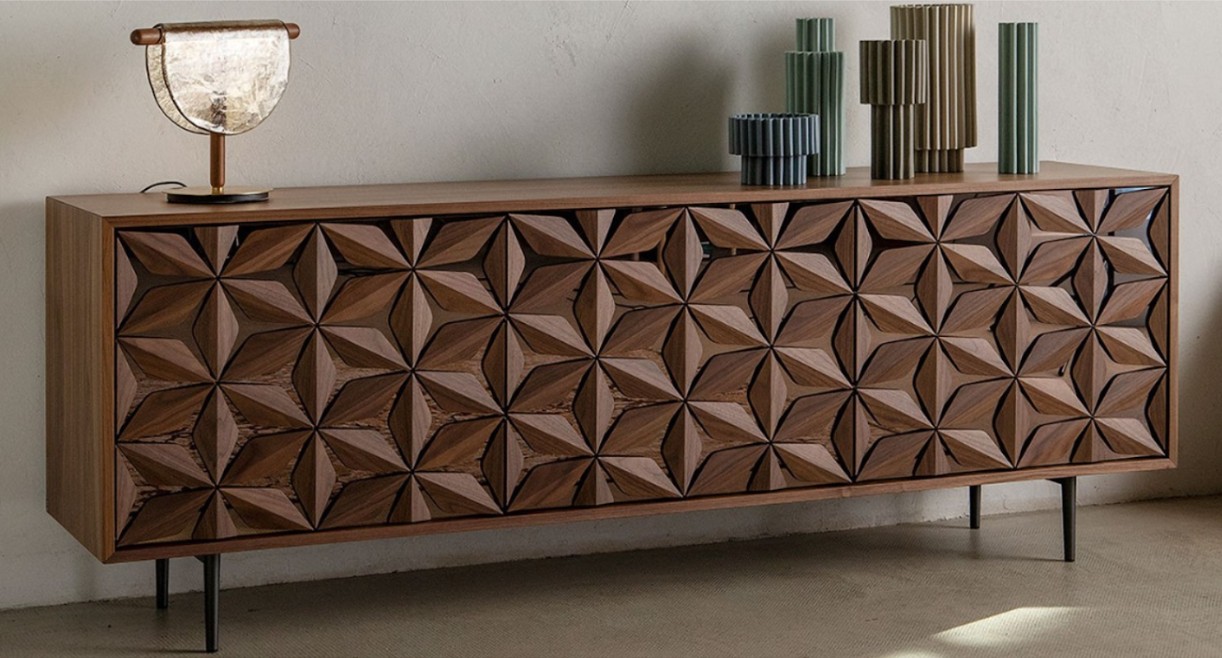
Let’s be practical: a great sideboard needs to work hard. It’s the unsung hero of the dining room, storing everything from fine china and linens to board games and cocktail supplies. But function should never mean sacrificing style. This is where the brilliance of Italian design truly shines. An Italian wood sideboard offers the perfect marriage of elegant form and smart utility, giving you the organized space you need while adding a dose of sophistication. In this article, we’ll cover how to choose the right size and storage configuration to fit your lifestyle, ensuring your new piece is as useful as it is beautiful.
Choosing a sideboard for your home is about more than just adding storage. It’s an opportunity to introduce a piece of furniture that anchors your room, tells a story, and reflects your personal style. When you opt for an Italian wood sideboard, you’re not just buying a functional item; you’re investing in a piece of art that blends centuries of design heritage with modern sensibilities. These pieces are celebrated for their ability to be both a practical storage solution and a stunning focal point in any dining or living space, perfect for hosting dinner parties or simply organizing your life with elegance.
So, what makes an Italian sideboard such a worthwhile addition to your home? It comes down to a powerful combination of expert craftsmanship, high-quality materials, and a design philosophy that stands the test of time. Unlike mass-produced furniture that follows fleeting trends, an Italian sideboard is built with intention and integrity. It’s a piece designed to be lived with, used, and admired for decades, becoming part of your family's story. Let’s explore the three core reasons why this classic piece of furniture is a smart and beautiful investment for the discerning homeowner.
There’s a certain magic to Italian furniture that comes from a deep-rooted tradition of artisanal craftsmanship. These sideboards aren’t just assembled; they are meticulously crafted by skilled artisans who have often honed their craft over generations. This commitment to excellence is visible in every detail, from the precision of the joinery to the flawless finish. As design experts note, "Italian wood sideboards are renowned for their artisanal craftsmanship, which combines sleek aesthetics with high-quality materials." This means you get a piece that is not only beautiful but also thoughtfully constructed. It’s this human touch and dedication to quality that transforms a simple piece of furniture into something you’ll truly cherish.
The foundation of any great piece of furniture is the material it’s made from, and Italian designers are uncompromising in their selection of premium hardwoods. Woods like walnut, cherry, oak, and mahogany are chosen not just for their stunning visual appeal but for their exceptional durability and strength. These materials ensure your sideboard can withstand the rigors of daily life and remain a beautiful fixture in your home for years to come. This focus on longevity makes an Italian sideboard a sustainable choice and a true investment. You’re acquiring a future heirloom, not a temporary fix. When you bring one of these pieces into your dining area, you’re choosing furniture built to last.
One of the greatest strengths of Italian design is its timelessness. Italian sideboards manage to feel both current and classic, avoiding the pitfalls of short-lived trends. Their designs often feature clean lines, balanced proportions, and an understated elegance that allows them to complement a wide range of interior styles. This versatility means that whether your home is ultra-modern or more traditional, the right piece will fit right in. Whether you need a functional cabinet or a statement piece for your living space, an Italian sideboard adds a unique character and sophisticated flair. It’s this incredible adaptability that ensures your investment will continue to look stylish and relevant as your own tastes evolve over time.
Italian design isn't one-size-fits-all. It’s a rich spectrum of styles, from the ultra-modern to the timelessly classic. The key is finding the one that speaks to you and complements your space. Think about your home's current aesthetic and the feeling you want to create. Are you drawn to clean, sharp lines, or do you prefer the warmth of ornate, handcrafted details? Understanding your personal style is the first step to choosing a sideboard you’ll love for years to come.
If your taste leans toward clean, uncluttered spaces, a modern Italian sideboard is a perfect choice. These pieces are defined by their elegant design, featuring sleek lines, sophisticated materials, and meticulous attention to detail. You’ll often find high-gloss finishes, polished metal accents, and a focus on strong, geometric shapes. A contemporary sideboard doesn’t shout for attention; it adds a sense of refined calm to a room. It’s the ideal functional centerpiece for a modern dining room, providing ample storage without adding visual clutter. This style works beautifully in urban apartments and minimalist homes where form and function are equally important.
For those who appreciate history and artistry, the classic Italian sideboard is a true masterpiece. These are the pieces that feel like they have a soul, often featuring intricate, hand-carved details and rich, warm woods like cherry and walnut. This style celebrates the long history of Italian craftsmanship, turning a functional piece of furniture into a work of art. A traditional sideboard brings a sense of grandeur and timeless elegance to a dining or living room. It’s perfect for a home that embraces a more formal, decorated aesthetic and for anyone who wants to invest in a piece that can be passed down as a family heirloom.
While related to modern design, minimalism takes the "less is more" philosophy to heart. A minimalist Italian sideboard is all about pure form and function. These designs strip away all non-essential elements, focusing on clean, uninterrupted lines and the natural beauty of the materials. You’ll see features like handleless push-to-open doors and simple, unadorned surfaces that create a serene and orderly feel. As design trends move toward intentional decor, these sideboards have become essential for achieving a balance between utility and style. They are perfect for creating a tranquil atmosphere in your living space and pair well with a neutral color palette and natural textures.
If you love furniture with character, a mid-century modern or rustic sideboard might be your perfect match. Mid-century modern designs are known for their organic shapes, tapered legs, and warm wood tones, blending functionality with a touch of retro flair. A rustic Italian sideboard, on the other hand, embraces the natural imperfections of wood, showcasing its grain, knots, and texture for an earthy, inviting feel. Both styles are less about polished perfection and more about personality. Each piece tells a story of design and quality, making it a unique statement in your home that feels both stylish and lived-in.
Choosing the right wood and finish is about more than just looks—it’s about investing in a piece that will stand the test of time. The materials used in your sideboard determine its durability, its character, and how it will age in your home. Let’s walk through the key elements to consider so you can feel confident in your selection.
When you see Italian sideboards crafted from hardwoods like walnut, cherry, oak, and mahogany, you know you're looking at top-tier quality. These premium woods are chosen for their strength and stunning natural grain, which adds depth and warmth to any room. The use of these species ensures that Italian dining furniture is not only beautiful but also incredibly durable. Walnut offers rich, dark tones, while cherry develops a lovely reddish-brown patina over time. Oak is known for its prominent grain and sturdiness, and mahogany provides a classic, reddish-brown elegance. Each wood has a unique personality, giving you a range of options to match your home's aesthetic.
It’s important to understand the distinction between solid wood and wood veneer. A solid hardwood sideboard is built entirely from milled lumber, like Italian walnut or cherry, which ensures incredible longevity and the ability to be refinished down the road. Veneer, on the other hand, involves applying a thin layer of real wood over a core material, which is often particleboard or MDF. While a high-quality veneer can look beautiful and be more budget-friendly, it's crucial to check the core material. As a rule of thumb, avoid products listed as "wood veneer over particleboard" if your priority is a piece that will last for generations. Solid wood is an investment in heirloom quality.
The finish is what brings the wood to life and protects it from daily wear and tear. You’ll find Italian sideboards in a variety of beautiful finishes, from sleek, high-gloss lacquers that feel distinctly modern to natural stains that let the wood's grain shine through. A matte finish offers a more understated, contemporary look. While many of us focus on the final look—be it a glossy white or an aged oak—remember that true durability begins beneath the surface. A flawless finish is a great sign, but it's the quality of the wood and construction underneath that truly counts for a piece that will last.
Ultimately, the materials are the foundation of your sideboard's long-term value. Famed Italian workshops use high-quality materials that contribute directly to the durability and worth of the furniture. When you choose a sideboard made from solid hardwood by skilled artisans, you're not just buying a piece of furniture; you're acquiring a work of craftsmanship. This commitment to quality means the piece can handle the demands of daily life, from family dinners to lively get-togethers, and will continue to be a beautiful, functional part of your living space for years to come.
Finding the right sideboard is about balancing beauty, size, and function. This isn't just a piece of furniture; it's a central part of your room that serves you daily and shines when you entertain. Italian design is special because it combines sleek looks with thoughtful details, so choosing the right one means finding a piece that fits your space and your life perfectly. Before you fall in love with a design, let's walk through the practical steps to ensure it's the perfect match for your home.
First things first: grab a tape measure. Measure the length and height of the wall where you plan to place the sideboard. As a rule of thumb, you’ll want to leave at least six inches of empty space on either side so the piece doesn’t feel cramped. For a dining room, the sideboard's surface should be slightly taller than your dining table for a balanced look. Pay close attention to depth, too. A piece that's too deep can block doorways or create a tight squeeze in high-traffic areas. Getting the proportions right will make your sideboard feel like it was custom-made for your space, creating a seamless and intentional look.
Think about what you need to store. Are you hiding away your grandmother’s fine china, extra table linens, and serving platters? Or do you need a home for your board game collection and cocktail-making supplies? Look for a configuration that suits your needs. Deep cabinets with adjustable shelves are great for bulky items, while drawers are perfect for silverware and smaller accessories. An Italian sideboard helps you store things like plates and serving dishes, but it should also reflect how you live in your living space. Choose a layout that will make your life easier and keep your home beautifully organized, not just for special occasions but for every day.
A well-made sideboard is an investment that will last for years. The best pieces are crafted from solid hardwoods like Italian walnut, cherry, or oak, which ensure longevity and durability. While more budget-friendly, try to avoid items made of particleboard with a thin wood veneer, as they don't hold up as well over time. Check for signs of expert craftsmanship, like smooth-gliding drawers with dovetail joints and a solid back panel. This level of quality construction is a hallmark of true Italian design and guarantees your piece will remain a staple in your home, looking just as beautiful a decade from now as it does today.
Beyond storage, a sideboard is your best friend when hosting. Its surface is the perfect stage for serving food buffet-style, setting up a drink station, or displaying a stunning floral arrangement. Italian sideboards are known for their elegant design and usefulness, giving you a handy surface for parties and family dinners. Don’t forget to style it for everyday enjoyment, too. Hang a mirror or a favorite piece of art above it, add a table lamp for warm lighting, and display a few pieces of beautiful decor that make you smile. This turns a functional piece into a personal statement.
Once you’ve decided on the style and materials for your Italian sideboard, the next step is finding the perfect piece and understanding its cost. Investing in high-quality furniture is a significant decision, so knowing where to look and what to expect financially will help you shop with confidence. From trusted retailers to understanding what drives the price, here’s what you need to know before you buy.
When you're ready to invest in an authentic Italian wood sideboard, it’s important to find a retailer you can trust. Established stores like EuroHome are a great place to start because we curate a selection of high-quality pieces from renowned European designers. This saves you the time and effort of vetting individual artisans. A trusted retailer also provides excellent customer service and can answer any questions you have about craftsmanship or materials. Keep an eye out for sales and clearance events, which can be a fantastic opportunity to acquire a luxury piece at a more accessible price point.
Deciding between shopping online or in a showroom comes down to personal preference, as both have their perks. Browsing a curated online collection from the comfort of your home allows you to easily compare styles, dimensions, and prices. You can take your time, measure your space, and visualize how a piece will fit. On the other hand, visiting a showroom lets you experience the furniture firsthand. You can see the true color and texture of the wood, feel the quality of the construction, and open drawers to test the hardware. For many, this tactile experience is essential before making a final decision.
Italian wood sideboards come with a wide price range, which reflects the diversity in design, materials, and craftsmanship. Generally, you can expect prices to fall anywhere from around $3,000 to over $25,000. A simpler, minimalist design made with high-quality veneers will be on the lower end of that spectrum. A large, ornate sideboard crafted from solid Italian walnut by a famous design house will command a much higher price. Understanding this range helps you set a realistic budget and recognize what you’re paying for—be it rare materials, intricate hand-carving, or an iconic design.
Getting the best value isn't just about finding the lowest price; it's about investing in a piece that will last for decades. The key is to look beyond the surface finish. While a high-gloss lacquer might catch your eye, the real indicator of durability is the core material. A sideboard built from solid hardwoods like walnut, cherry, or oak will offer superior longevity compared to one made primarily from particleboard with a thin veneer. When you beautify your space with a piece made from solid wood, you're not just buying furniture—you're acquiring a future heirloom.
An Italian wood sideboard is more than just furniture; it's an investment in timeless style and quality. With the right care, it will remain a stunning centerpiece in your home for decades. The good news is that maintaining its beauty doesn't require a lot of effort—just a consistent and gentle approach. A few simple habits can protect the wood, preserve the finish, and ensure your sideboard looks as incredible as the day it arrived. Think of it as a small ritual to honor the craftsmanship you brought into your home. From quick weekly dusting to more thorough seasonal care, these steps will help you maintain your piece's integrity and charm for years of enjoyment and entertaining.
Keeping your sideboard looking pristine is all about consistency. The easiest way to prevent dust and grime from building up is to give it a quick wipe-down once a week. Use a soft, dry, lint-free cloth, like microfiber, to gently dust all surfaces. This simple step prevents tiny particles from settling into the wood grain and dulling the finish over time. If you notice any spills or smudges, address them right away. For stickier spots, you can use a slightly damp cloth with a very mild soap diluted in water. Always remember to wipe in the direction of the wood grain to avoid creating any micro-scratches. After cleaning, immediately dry the surface with a separate soft cloth to prevent water spots.
Your sideboard's finish is its first line of defense, so protecting it is key. One of the biggest culprits of damage is direct sunlight, which can cause the wood's color to fade and even lead to cracking over time. Try to position your sideboard away from windows that get intense, direct sun. Coasters, placemats, and trivets are your best friends—always use them to protect the surface from moisture rings, heat damage, and scratches from plates or decor. It's also a good idea to avoid placing items with rough bottoms directly on the wood. A little prevention goes a long way in keeping that beautiful wood finish looking flawless.
To ensure your sideboard becomes a true family heirloom, a little long-term care makes all the difference. About once or twice a year, consider applying a high-quality wood polish. Look for products that contain natural waxes like beeswax or carnauba wax, which nourish the wood and add a protective layer against moisture and dust. This will also enhance its natural luster. Periodically, take a moment to check the hardware, like handles and hinges, and gently tighten any that have become loose. Following these guidelines for maintaining furniture will ensure your sideboard remains as sturdy and functional as it is beautiful.
Is a solid wood sideboard always the better choice over one with a wood veneer? While solid wood is the gold standard for longevity and can be refinished for generations, a high-quality veneer isn't something to dismiss. The best Italian designs often use premium wood veneers over a stable, solid core to create stunning patterns and seamless surfaces that would be impossible with solid wood alone. The key is to look at the entire construction. A quality veneer over a solid wood or plywood core is an excellent and durable choice, while a thin veneer over particleboard is what you'll want to avoid for a long-term investment.
How can I style a sideboard so it doesn't just look like a storage cabinet? Think of your sideboard's surface as a canvas for your personal style. The easiest way to make it a focal point is to hang a large piece of art or a beautiful mirror on the wall above it. This draws the eye upward and anchors the piece in the room. Then, add layers of light and personality. A stylish table lamp will create a warm glow, and a small stack of your favorite art books or a unique vase can add character. The trick is to group items thoughtfully rather than spreading them out, leaving some open space to maintain a clean, uncluttered feel.
Can I mix a modern Italian sideboard with my existing traditional furniture? Absolutely! Mixing styles is what gives a home character and keeps it from looking like a showroom floor. The key to making it work is to find a common thread that ties the pieces together. This could be a shared wood tone, a similar hardware finish like brass or chrome, or even a complementary shape. A sleek, minimalist sideboard can create a beautiful, grounding contrast to more ornate pieces, allowing each item to stand out. Trust your eye—if the pieces feel balanced and you love how they look together, it works.
What's the most durable type of wood for a busy household? If your home is full of life, with kids, pets, or frequent dinner parties, you'll want a hardwood that can stand up to daily use. Oak is a fantastic choice because it's incredibly hard and its prominent grain is great at hiding minor dings and scratches. Walnut is another excellent option; it's very strong and develops a beautiful character over time. Ultimately, any premium hardwood will be durable, but the finish also plays a huge role in protecting the surface from spills and wear.
Are high-gloss finishes difficult to keep clean? It’s true that a high-gloss finish can show fingerprints more readily than a matte or natural wood surface, but it's also incredibly easy to clean. Because the surface is sealed and non-porous, a quick wipe with a soft, dry microfiber cloth is usually all you need to remove dust and smudges. For anything stickier, a slightly damp cloth will do the trick. Just be sure to avoid abrasive cleaners or rough sponges. The sleek, reflective quality of a high-gloss finish adds a touch of modern glamour that many find is well worth the occasional wipe-down.

