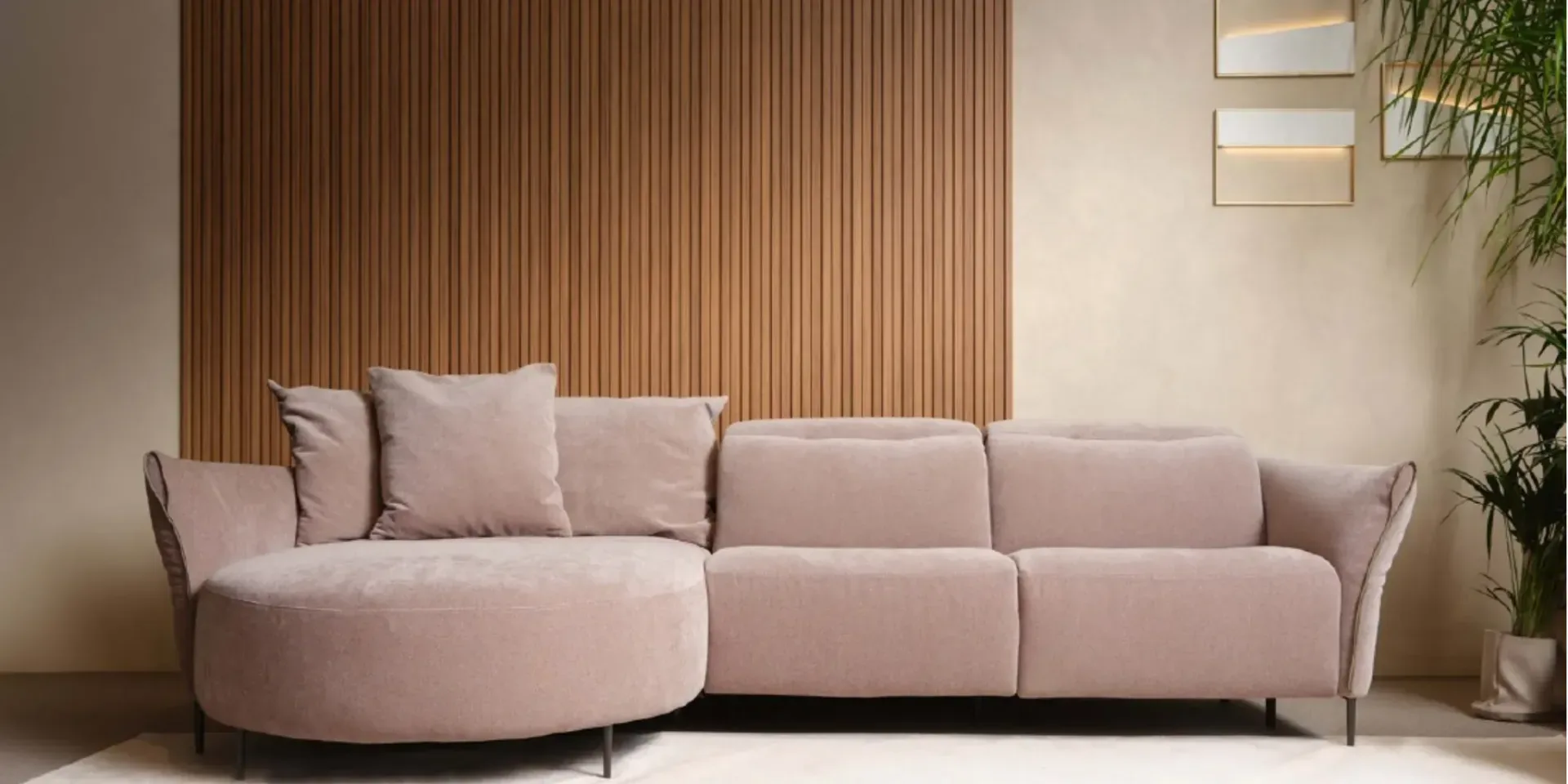
Are European furniture brands better quality than American brands? Not as a rule. Country of origin can point you toward different design traditions and manufacturing choices, but it cannot tell you whether a particular sofa, chair, or table is well made. The useful comparison is between the exact pieces you are considering: their construction, materials, comfort, dimensions, service, and how they will work in your home.
Talk with EuroHome about your furniture plans
A design-conscious buyer may be drawn to Italian or Scandinavian forms and still want a room to feel warm, relaxed, and personal. The goal is not to choose a flag or follow a style label. It is to find furniture that suits how you live and has the qualities you value, then confirm the details before committing.
No single country or continent makes every piece to one standard. European brands include many makers, price points, materials, and production methods. American makers are just as varied. A well-designed piece from either place can be durable and comfortable; a beautiful piece from either place can also be the wrong scale, feel, or construction for your needs.
Origin can still be useful context. A brand's design heritage may influence its silhouettes, proportions, upholstery choices, or approach to customization. European modern furniture often appeals to buyers who want considered forms, distinctive materials, and a strong relationship between shape and function. American furniture spans an equally broad range, from traditional and transitional styles to contemporary designs. These are tendencies and design vocabularies, not guarantees of quality.
Separate three questions when comparing pieces:
Answering those questions is more reliable than assuming that a broad label predicts performance. Start with the furniture itself, then consider where it comes from and what the maker is known for.
Ask about the components that matter for the piece and its intended use. For a sofa, that means learning what you can about the frame, suspension, seat and back cushions, upholstery, and the way the seams and edges are finished. For a dining table, focus on the material, base construction, finish, stability, and the care it needs; you can compare options in EuroHome's dining table selection. A cabinet calls for questions about its structure, doors, drawers, hardware, and finish.
Specific answers are more helpful than broad terms such as “premium,” “solid,” or “handcrafted.” Ask the retailer or maker to explain what a material name means on that exact product. If a product listing describes a wood finish, for example, confirm whether it is solid wood, veneer, or another construction. Those choices are not automatically good or bad; they affect appearance, maintenance, repair, weight, and cost in different ways.
Look closely at the details you can inspect. Are corners and edges finished neatly? Do doors and drawers operate smoothly? Does the piece feel stable when used normally? On upholstered furniture, do the seams, piping, and cushions look even? These checks do not replace product documentation, but they help you form useful questions.
When performance standards matter to your decision, ask what testing or product documentation is available for the specific item. BIFMA provides information about furniture standards through its standards and industry resources; do not assume that a brand name or country of origin is proof that a particular item meets a standard. Ask the seller to identify any relevant documentation and what it covers.
A sofa can look impeccably tailored and still be uncomfortable for you. Quality includes a sound build, but it also includes the way the seat supports your body, how the back meets your shoulders, and whether the upholstery feels right in daily use. If family members have different heights or prefer different seating positions, judge the piece together when possible.
Compare the seat height and depth, back height, arm shape, cushion feel, and overall width. A deep seat may suit someone who likes to curl up, but can feel cumbersome to a person who prefers an upright position. A lower back can read as visually light in a room, while a higher back may offer a more supported feel. Neither is universally superior.
Try the sofa the way you will use it: sit upright, lean back, rest your arms, and get up again. Ask whether the cushions are fixed or loose, what care the upholstery needs, and whether fabric samples are available. If you are shopping online, request clear specifications and look for a chance to experience a comparable seat in person before ordering. EuroHome's sofas and sectionals can help you explore forms, but confirm dimensions and specifications for the individual product.
Comfort is not a passport feature. It is a match between the design and the person using it. Choose the seat that feels supportive in your body, rather than treating a country label, a soft showroom cushion, or a photograph as a substitute for trying and checking.
Materials affect both the character of a room and the work involved in caring for it. Consider sunlight, pets, children, meals, entertaining, and how often a surface will be touched. Ask for care guidance before purchase, especially if you are comparing delicate upholstery, polished or textured finishes, and materials that may show marks differently.
For upholstery, compare the actual fabric or leather sample in the room where it will be used. A color can shift with daylight, warm lamps, nearby paint, and wood tones. Check texture as well as shade. A sample lets you see whether a cool neutral feels stark beside existing traditional furniture or whether a warmer material brings the room together.
For wood and other hard finishes, compare undertones and sheen in context. You do not need every wood surface to match exactly. A related warmth or repeated detail can help different pieces feel connected, while too many competing finishes can make a room feel unsettled. Ask what cleaning products and maintenance routine the maker recommends rather than relying on assumptions about a material.
A refined European piece can feel at home in a traditional room. Pair a clean-lined sofa with a familiar rug, an existing wood table, or warm lighting. The contrast can make both the old and new elements more noticeable without making the room feel like a showroom. Aim for a mix that reflects your home rather than trying to make every item come from the same style family.
A piece that is beautifully made but awkward in your room is not the right choice. Measure the room, the intended placement, and the routes the furniture must travel before ordering. For a sofa, note overall width, depth, and height; then mark its footprint on the floor with painter's tape. Include space for doors, walkways, side tables, and the way people move through the room.
Measure the delivery path too. Check entry doors, halls, stair turns, elevators, and any narrow passage between the entrance and the room. The largest listed dimension is not the only one that matters: ask how the item is packaged, whether legs can be removed, and what path the delivery team needs. Review EuroHome's shipping and delivery information and confirm product-specific delivery questions before you place an order.
Think about proportion in relation to architecture as well as floor area. A very low sofa may sit comfortably beneath a window but look underscaled against a tall room and substantial trim. A bold table may work if surrounding chairs and circulation space leave it room to breathe. Use the existing room as a guide: note the height of millwork, the weight of nearby pieces, and the scale of patterns already present.
EuroHome's living room furniture selection is one place to explore different forms and sizes. Treat online browsing as a first comparison, not a substitute for checking the measurements and options on a specific item.
Customization can solve a real fit or finish problem. A room may need a particular width, a fabric that works with existing elements, or a finish that connects new furniture to the rest of the home. But a custom option is not automatically a better-quality option. It is worth exploring when the change improves function or helps the piece belong in your room.
Write down the constraint before asking about changes. Is the standard sofa too wide for the wall? Does a table need to seat a certain number of people without blocking a walkway? Is a finish sample too cool next to the floor? A clearly defined need makes it easier to compare a standard piece with a customized one. Ask which dimensions and finishes can actually be changed, how samples are approved, and what the final specifications will state.
EuroHome's business context includes direct relationships with Italian and Danish manufacturers that can support custom sizing and finishes on some products. Availability depends on the item, so confirm the options for the exact design rather than assuming every product can be altered. If you are considering a coordinated room, the EuroHome Design Center offers a place to discuss design and product questions. Bring a floor plan, measurements, and photos of the room to make that conversation concrete.
For a broader project, ask how planning, visualization, samples, and installation fit into the process. EuroHome's stated design services include space planning, 3D visualization, project management, and white-glove installation. Ask which parts apply to your project and what decisions you will need to make before an order is finalized.
Use a short, written checklist so you compare the same information across brands and products. A focused conversation can reveal gaps that product photography and general descriptions do not address.
Keep the answers tied to the model or product configuration you are considering. A brand may make several lines in different facilities or materials, so an answer about one collection may not apply to another. Save the product specifications and the final selections so you can check them against the order.
A European brand may be the better choice when its design, proportions, materials, or available customization match your priorities more closely than the alternatives. You might prefer a particular Italian silhouette, a Scandinavian approach to visual simplicity, or a specific finish that works with your room. Those are meaningful reasons to choose a piece, but they do not establish that all European furniture is higher quality.
An American brand may be the better choice when a particular maker offers the size, comfort, style, material, or service you need. The right comparison is specific: one sofa against another, with equal attention to use, construction details, fit, and support. Consider whether the piece will feel right after the novelty of a new purchase passes and whether it will work with the rest of the home.
If you are uncertain, narrow the choice to two or three candidates. Compare their specifications side by side in your notes, review samples in the room, and try the seating if possible. For a larger decision, a conversation with EuroHome can help you understand the available product and design options; bring your measurements and practical questions so the discussion stays focused.
Arrange a furniture consultation with EuroHome
No. Durability depends on the specific product, materials, construction, care, and how intensively it is used. Ask for product-level details and documentation instead of assuming origin determines lifespan.
Not universally. Italian design may appeal to you for its forms, finishes, or manufacturing options, while an American piece may better meet your needs in comfort, dimensions, style, or service. Compare the items that fit your room and use.
Yes. Introduce one or two clean-lined pieces and relate them to the room through warm materials, familiar textiles, or a shared color. Measure for scale and avoid making every element compete for attention.
Combine a comfort test with specific questions about dimensions, materials, construction, upholstery care, and support. Sit in the position you normally use, and check that the piece fits both your body and your room.
Online research is useful for comparing styles and measurements. A showroom visit can help you assess comfort, finishes, and scale in person. If travel is not practical, request detailed specifications and samples where available, and confirm delivery requirements before ordering.
The best furniture is the piece that meets your standards for construction, comfort, fit, and service in the home you actually have. Compare specifics rather than national labels, and choose with the dimensions and daily use in view.


