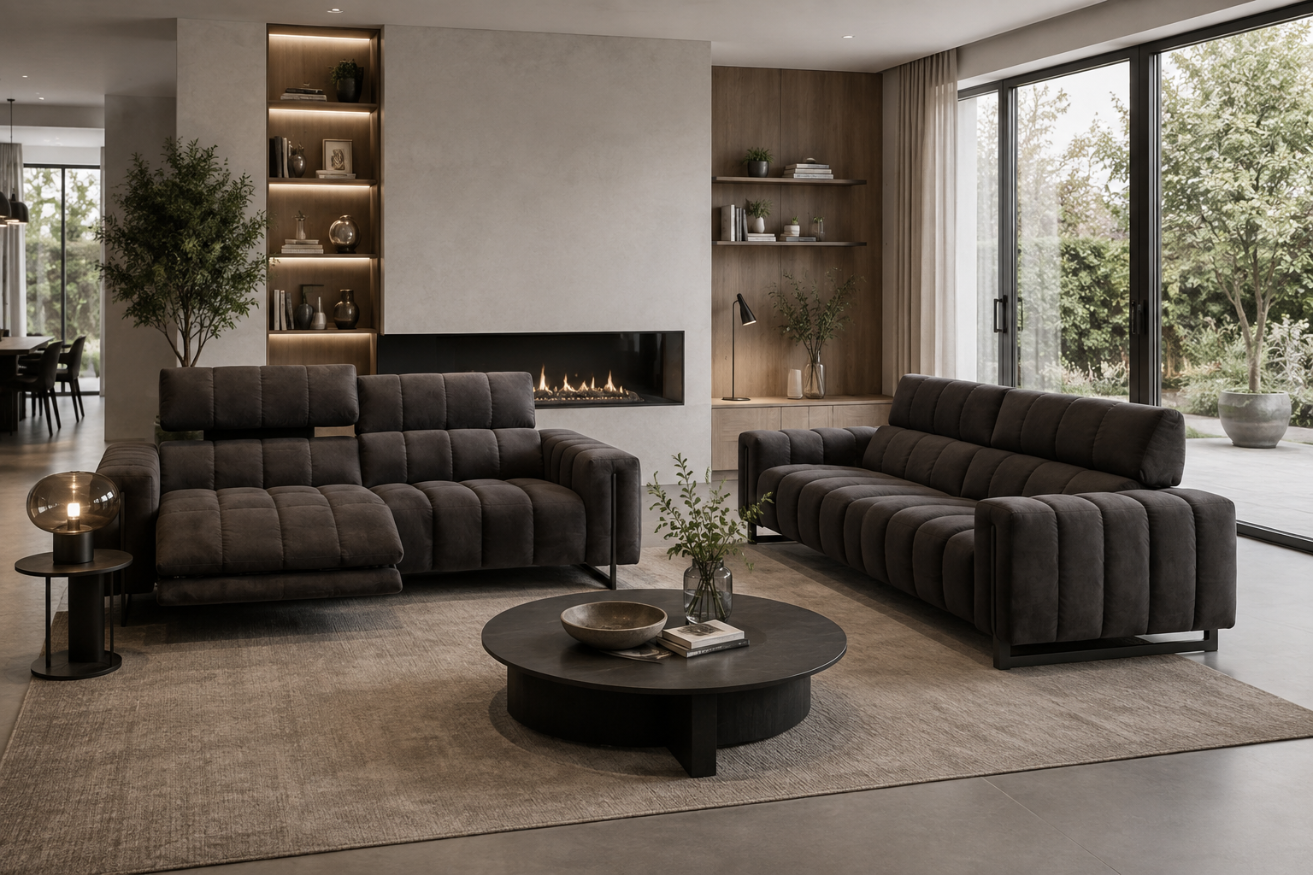
We’ve all seen it: the oversized sofa that swallows a small living room, or the dining table so large you can barely squeeze by. These common design mistakes can make even the most luxurious furniture feel out of place. The truth is, a beautiful home starts with a smart layout, not just stylish pieces. This is where space planning comes in. It’s the essential first step that ensures your home is harmonious, functional, and free of frustrating design flaws. Getting it right saves you from costly errors and buyer’s remorse. We’ll cover the biggest pitfalls to avoid and show how a comprehensive resource like the crucial guide to residential space planning can help you get it right the first time.
Have you ever walked into a room that just felt right? Everything was easy to get to, the furniture seemed perfectly placed, and the whole space had a sense of calm and order. That feeling isn't an accident; it's the result of great space planning. At its core, space planning is the art and science of arranging a room to match how you live. It’s the foundational step in interior design that focuses on function, flow, and feel before you even think about paint colors or throw pillows. It’s less about what’s in the room and more about where everything goes and why.
Think of it as creating a blueprint for your daily life. It’s about asking the important questions: Where will people walk? How can we make this room feel open and inviting? Where does the furniture need to go to support our activities, whether that’s hosting a dinner party in your living area or curling up with a good book? A solid plan ensures your home isn't just beautiful, but also practical and comfortable. It’s the invisible structure that makes a home truly work, turning a collection of rooms into a cohesive, life-enhancing environment that supports you, your family, and your guests. It’s what transforms a house into a home that feels custom-made for you.
It’s easy to mix up space planning with interior decorating, but they play very different roles. Think of space planning as the architecture of your room; it deals with the layout, the flow of traffic, and the functional arrangement of furniture. It’s about the "where." Where does the sofa go to encourage conversation? Where should the bed be for the most restful sleep?
Interior decorating, on the other hand, is about the aesthetics and style. It’s the "what." What color is the sofa? What style of rug ties the room together? What art goes on the walls? While decorating helps beautify a space, space planning ensures the room functions effortlessly. You need both for a successful design, but a great layout must come first.
A thoughtfully planned home can genuinely improve your day-to-day life. When your space is designed around your habits, it reduces friction and creates a sense of ease. Imagine a kitchen where everything is within reach or a living room that flows seamlessly for entertaining guests. This is the power of good planning. Your home should be a safe, comfortable place, and a smart layout is key to making that happen.
A well-designed home supports your lifestyle, making daily routines more efficient and enjoyable. A properly planned bedroom can become a true sanctuary that promotes rest, while a functional dining area makes every meal feel special. Ultimately, investing time in space planning helps create an environment that not only looks good but feels good to live in.
Have you ever walked into a room and felt instantly at ease, even if you couldn’t quite put your finger on why? That feeling is often the result of thoughtful space planning. It’s less about following strict rules and more about understanding a few foundational ideas that help a room function beautifully. When you get these concepts right, your home not only looks better, but it also feels better. It supports your daily routines, makes hosting a joy, and creates a sense of calm and order that is deeply satisfying.
Think of these principles as your personal toolkit for making smart, confident decisions about your layout and furniture. By mastering the core concepts of flow, scale, zones, and light, you can arrange a home that is a true reflection of your lifestyle and aesthetic. It’s about creating an environment that works for you, not against you. These ideas empower you to see your space with fresh eyes and unlock its full potential, turning any room into a place you genuinely love to be in.
A great layout allows you to move freely and intuitively through a space. This is what designers call "flow." Think about the paths you take most often: from the front door to the kitchen, or from the sofa to the bookshelf. Are they clear and unobstructed? Effective planning teaches you how to design rooms so people can move through them smoothly, which is essential for comfort and function. To achieve this, make sure to leave adequate space between furniture pieces. A good rule of thumb is to allow for at least 30 to 36 inches for major traffic routes. This simple guideline prevents your living room from feeling like an obstacle course and makes your home feel welcoming and effortless to be in.
Choosing furniture that fits your room is one of the most important aspects of space planning. Scale refers to how an item's size relates to the room itself, while proportion is about how it relates to other items in the space. A room feels harmonious when both are correct. Understanding standard furniture sizes is crucial for planning good layouts that feel balanced and inviting. For example, a massive sectional might overwhelm a small living area, while a tiny rug can look lost under a grand dining table. Before you commit to a piece, try mapping its dimensions on the floor with painter's tape. This simple trick helps you visualize the piece in your space and ensures it will feel just right.
In modern homes, especially those with open-concept layouts, creating distinct "zones" for different activities is key. This is how you can have a space for dining, a corner for reading, and an area for conversation, all within one large room. Defining zones helps in organizing spaces according to how you actually live and interact within your home. You don’t need walls to create separation. A well-placed area rug can anchor your living spaces, a console table behind a sofa can signal a transition, or a pair of chairs can create an intimate spot for conversation. This approach brings order and purpose to your layout, making even the largest rooms feel more intimate and functional.
Lighting is one of the most powerful tools in design, with the ability to completely change the mood and perceived size of a room. Light plays a crucial role in space design, and a thoughtful approach can make a space feel larger and more open. To make the most of it, focus on both natural and artificial sources. Keep window treatments light and airy to maximize daylight. Strategically placed mirrors can also work wonders by reflecting light around the room. Then, layer your artificial lighting with a mix of ambient (overhead fixtures), task (reading lamps), and accent lighting (to highlight art). A beautiful pendant from our Beautify collection can serve as both a light source and a stunning focal point.
You’ve found the perfect furniture and you’re excited to bring your vision to life. But even the most beautiful pieces can fall flat in a poorly planned space. Creating a home that feels both stylish and livable means sidestepping a few common design traps. Getting your space plan right from the start is the secret to a home that not only looks incredible but also supports your daily life. Let’s walk through the five most frequent mistakes I see and, more importantly, how you can easily avoid them.
One of the quickest ways to shrink a room is to fill it with too much stuff. A cluttered layout feels chaotic and makes it difficult to appreciate any single piece. The goal is to create a space that feels curated, not crowded. Think of your room as a gallery. Each item should have a purpose and enough negative space around it to be seen. Instead of filling every corner, focus on high-quality, foundational items that make a statement. A stunning sofa or a beautifully crafted dining table can anchor a room far better than a dozen smaller, less impactful pieces. This approach gives your home a sense of calm and sophistication, letting your beautiful living room furniture truly shine.
A well-designed room should feel effortless to move through. When you forget to plan for traffic flow, you create awkward paths and frustrating bottlenecks. Think about the natural routes people will take: from the doorway to the sofa, from the kitchen to the dining table. These pathways should be clear, wide, and intuitive. As a general rule, aim to leave about three feet of space for main walkways. This is especially important if you love to entertain. Guests should be able to mingle and move around without bumping into furniture or each other. A room with a good flow is not just functional; it’s welcoming and comfortable for everyone.
Have you ever seen a huge, overstuffed sofa crammed into a tiny apartment? Or a minuscule rug floating in a vast living room? Getting the scale of your furniture right is critical for a balanced, harmonious space. Before you fall in love with a piece, measure your room carefully. A great trick is to use painter's tape on the floor to outline the dimensions of the furniture you're considering. This helps you visualize not just the fit, but also the space left for walking. Remember to consider visual weight, too. A streamlined console on slender legs will feel much lighter than a solid, blocky cabinet, even if they have the same footprint. Finding the right sofas and chairs is about creating that "just right" feeling.
Clutter is the enemy of a serene and stylish home. One of the most common planning oversights is not incorporating enough storage to handle the realities of daily life. From mail and keys to extra blankets and electronics, everything needs a home. The best solution is to integrate storage seamlessly into your design. Look for multi-functional furniture, like a chic media unit that hides clutter, a bed with built-in drawers, or a beautiful sideboard for your dining room. By planning for storage from the beginning, you can maintain that clean, contemporary aesthetic without sacrificing practicality. These thoughtful additions help you beautify your space while keeping it organized and functional.
Lighting is so much more than just a functional necessity; it’s what brings a room to life. Relying on a single, harsh overhead light can make a space feel flat and uninviting. The key is to use layers of light to create mood, depth, and interest. Every room should have a mix of three types: ambient (general overhead light), task (focused light for activities like reading), and accent (light that highlights artwork or architectural features). A beautiful floor lamp next to a reading chair or a dimmer on your dining room chandelier can completely change the feel of a space. Good lighting makes a room more versatile, transforming it from a bright workspace by day to a cozy retreat at night.
While understanding the core concepts of space planning is a great start, sometimes you want a detailed roadmap to guide you. For those who love to get into the details, The Crucial Guide to Residential Space Planning is an excellent resource. It’s a comprehensive eBook designed to give you the confidence to plan your spaces like a professional. Think of it as your personal playbook for creating a home that is not only beautiful but also perfectly aligned with how you live. This guide breaks down the process into clear, manageable steps, taking the guesswork out of designing a home you’ll love for years to come.
One of the best things about this guide is how it empowers you to take control of your own design projects. It provides a step-by-step framework that helps you move from a blank slate to a fully realized plan. You’ll learn how to think critically about your space, identify what’s working and what isn’t, and make intentional choices. This approach is perfect whether you're arranging a new living room or rethinking your entire home’s layout. The goal is to equip you with the knowledge to create a practical, thoughtful home without the need for constant revisions, ensuring your final design feels just right.
Have you ever worried about buying a beautiful piece of furniture only to find it overwhelms your room? This guide tackles that fear head-on by providing the essential dimensions you need to know. It covers standard sizes for everything from sofas and beds to lighting fixtures and rugs. Understanding these measurements is the key to planning a layout that feels balanced and functional. When you know the ideal dimensions for a dining table, for example, you can confidently browse for pieces that will perfectly complement your eating space, making the shopping process smoother and far more enjoyable.
This guide does more than just teach you how to create good designs; it also trains your eye to spot bad ones. You’ll learn to recognize why a room might feel cramped, awkward, or unwelcoming and, more importantly, how to fix it. Sometimes, the solution is as simple as rearranging your existing furniture or swapping out a single piece to improve flow. This skill is invaluable because it allows you to make significant improvements to your home without necessarily starting from scratch. It’s about making smart, targeted changes that enhance both the function and the feel of your space.
If you’re feeling stuck or in need of fresh ideas, this guide offers plenty of inspiration. It’s packed with practical layout examples for every room in the house, from the bedroom to the living area. You’ll find different configurations designed to suit various needs and lifestyles, giving you a fantastic starting point for your own plans. Whether you're looking for a cozy sleeping sanctuary or a living room designed for entertaining, these visual examples can spark your creativity. They show you what’s possible and help you envision how to adapt professional design principles to your unique home.
This guide is truly for anyone passionate about creating a better living environment. If you’re a new homeowner, it can serve as your trusted companion for setting up your space. If you’re planning a renovation, it provides the foundational knowledge to ensure your new layout is a success. Even seasoned interior designers and architects can find value in its clear, step-by-step approach to residential design essentials. Ultimately, it’s for anyone who wants to move beyond just decorating and truly design a home that supports and enhances their lifestyle.
With a perfect 5-star rating from over 500 readers, the consensus is clear. We believe The Crucial Guide to Residential Space Planning is absolutely worth it. For a small investment, you gain an incredible amount of knowledge and confidence that will save you from costly design mistakes down the road. It demystifies the planning process and makes expert-level design accessible to everyone. Once you have a solid plan in place, you can move on to the most exciting part: choosing the timeless pieces that will beautify your home and bring your vision to life.
Theory is one thing, but putting it into practice is where the magic happens. Taking the core concepts of space planning and applying them to your own rooms can completely transform how you experience your home. It’s about making thoughtful choices that support your lifestyle, from the flow of traffic to the function of each piece of furniture. Let’s walk through how you can apply these principles to the most important areas of your house.
Your living room is often the heart of your home, a place for relaxing, entertaining, and connecting. To make it truly inviting, the layout needs to be both beautiful and functional. Start by defining the room's main purpose. Is it for cozy movie nights or for hosting lively gatherings? This will guide your furniture arrangement. Ensure there are clear pathways for people to walk without bumping into coffee tables or ottomans. A well-planned space encourages conversation and comfort, making your living room furniture feel like it was made for the space, not just placed in it.
A bedroom should be your personal sanctuary, a place designed for rest and rejuvenation. Functionality is key here. A cluttered or poorly arranged room can disrupt your peace and even your sleep. Think about your daily routine. Create an easy path from the door to your bed and to the closet. Ensure you have enough space to open drawers and closet doors without obstruction. By planning the layout step-by-step, you can create a serene environment that supports your well-being and makes your bedroom collection feel both luxurious and practical.
The dining room is where memories are made over shared meals. A common mistake is choosing a table or chairs that are the wrong scale for the room, making it feel cramped. Your dining area should feel spacious and comfortable, even with a full house. Make sure there is enough room for guests to pull out their chairs and move around the table easily. A well-arranged space makes every meal feel more special and encourages guests to linger. The right dining furniture not only looks stunning but also creates an enjoyable and functional setting for every gathering.
Your outdoor area is a valuable extension of your home, not just an afterthought. With smart planning, a patio or balcony can become your favorite spot for morning coffee or evening cocktails. Think about how you want to use the space. Do you envision a quiet reading nook or a place for alfresco dining? Poorly designed outdoor areas often go unused. By defining its purpose and choosing comfortable, durable pieces, you can create a functional and beautiful retreat that you’ll use all season long. Your outdoor collection can transform an empty space into a true oasis.
Choosing the right furniture is the final, crucial piece of the space planning puzzle. It’s not just about falling in love with a design; it’s about ensuring that piece fits your space and your life. Before you buy, measure your room and the furniture you’re considering. Use painter's tape on the floor to outline the dimensions of a new sofa or table to visualize its footprint. This simple step ensures that your selections will complement the scale of the room and allow for easy movement. When you beautify your home with pieces that are the perfect size, you create a harmonious flow that feels effortless and intentional.
What's the very first step I should take when planning a room? Before you move a single thing or browse for furniture, grab a notebook. The first step is always to define the room's purpose. Ask yourself how you want to live in that space. What activities will happen there? Is it for quiet reading, hosting parties, family game nights, or all of the above? Answering these questions first gives you a clear direction and ensures the final layout truly serves your lifestyle.
I live in a small apartment. Can space planning really make a difference? Absolutely. In fact, space planning is even more critical in smaller homes. A thoughtful plan can make a compact room feel surprisingly open and functional. It helps you choose furniture that is the correct scale, find clever storage solutions, and use every square inch intentionally. Good planning prevents the space from feeling cramped and cluttered, transforming it into a comfortable and efficient home.
My living and dining areas are one big room. How can I make them feel like separate spaces without building walls? This is where creating "zones" comes in. You can visually separate the areas using a few simple tricks. An area rug is perfect for anchoring your living room furniture and defining it as a distinct conversation spot. Placing a console table against the back of your sofa can also create a subtle boundary. Even a large plant or a floor lamp can signal a transition from one zone to the next, bringing order and intimacy to an open layout.
I found a sofa I absolutely love. Should I buy it and then plan the room around it? I know how tempting that is. While it's great to find a piece you're passionate about, I always advise you to pause and measure first. A sofa might be beautiful, but if it's too large for your room, it will disrupt the flow and make the space feel crowded. Take its dimensions and use painter's tape to mark its footprint on your floor. This helps you see how it truly fits, ensuring that the piece you love will look just as good in your home as it does in the showroom.
How much space do I really need to leave for walkways? A clear path is key to making a room feel comfortable and easy to live in. For major traffic routes, like the path from a doorway into the room, you should aim to leave about three feet (or 36 inches) of open space. For smaller pathways, such as the space between a coffee table and a sofa, you can get away with a bit less, around 18 inches. This ensures you and your guests can move around freely without having to turn sideways or shuffle past furniture.

