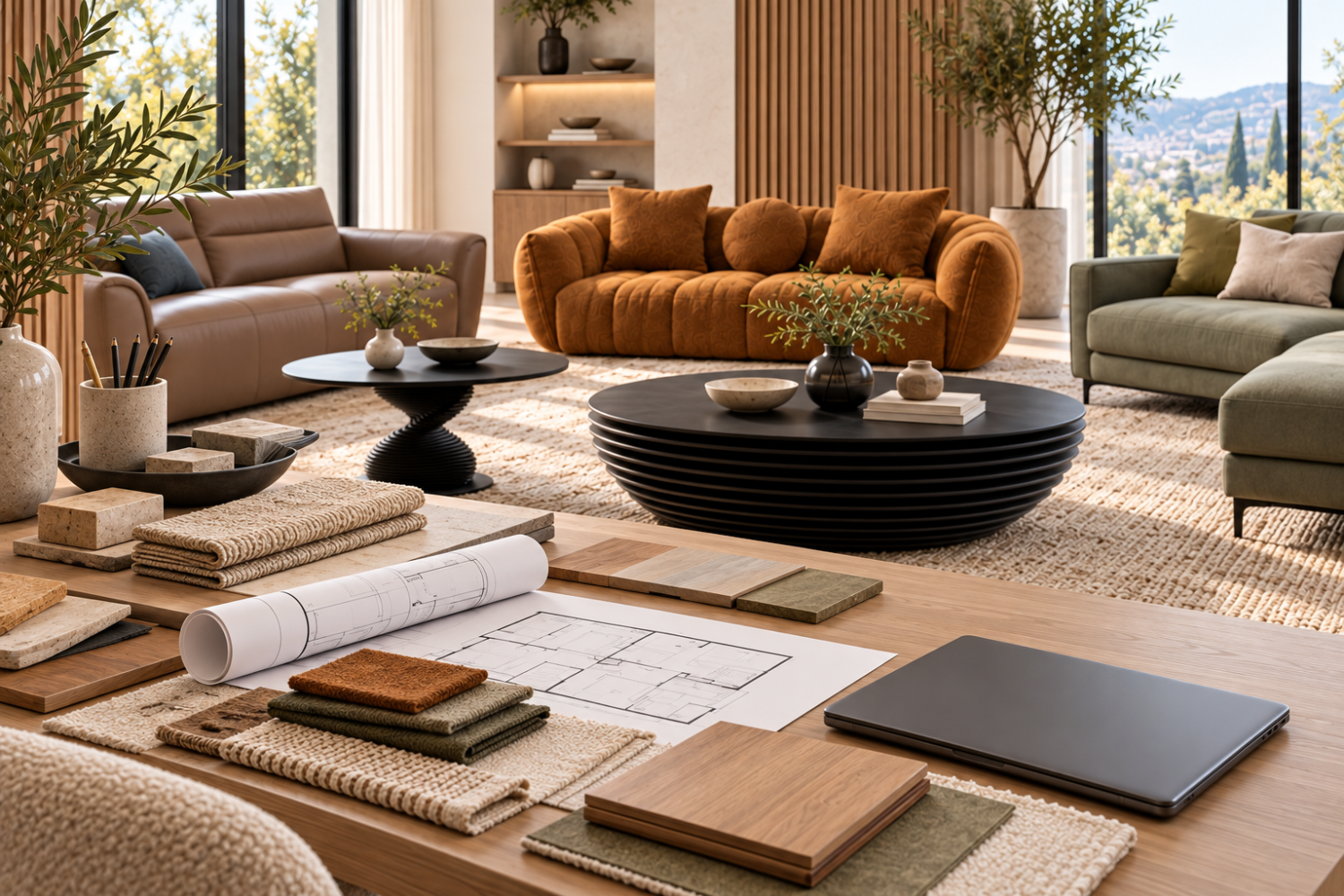
Let’s be honest: living through a renovation can be chaotic. The thought of dust, disruption, and endless decisions is enough to make anyone put their design dreams on hold. A single-room project, however, contains the entire process to one manageable area. It’s the perfect solution for busy professionals and families who want to improve their home without upending their lives. When you hire an interior designer for one room, you get all the expertise and transformative results with minimal interruption. The designer handles the logistics, from coordinating deliveries to overseeing installation, allowing you to enjoy a seamless process and a beautifully finished space.
Hiring an interior designer for a single room might feel like a luxury, but it’s one of the smartest ways to invest in your home. Think of it as a focused, high-impact project. Instead of tackling a full-home renovation, you can concentrate your efforts and budget on the space that matters most to you right now, whether it’s a living room that needs to accommodate guests or a bedroom that should feel like a true retreat. A designer acts as your creative partner and project manager, guiding you through every decision to ensure the final result is both beautiful and perfectly suited to your lifestyle.
They do more than just pick out pretty pillows and paint colors. A professional designer brings a trained eye to your space, seeing possibilities you might have missed. They handle the complex logistics of space planning, sourcing furniture, and coordinating lighting to create a cohesive and functional environment. By working with a designer, you gain access to their expertise, industry connections, and a streamlined process that saves you from costly mistakes and decision fatigue. They help you define your vision and then bring it to life, ensuring every element works together in harmony.
The foundation of any great room is a thoughtful layout. Before a single piece of furniture is chosen, a designer will analyze your space to optimize its flow and function. They consider how you live in the room: where the natural pathways are, how the light changes throughout the day, and what activities need to take place there. They can create a floor plan that makes a small room feel larger or a large, open space feel more intimate and defined. This step ensures your living room furniture is perfectly scaled and positioned, creating a space that feels effortless to be in.
A designer helps translate your personal style into a sophisticated color palette that sets the mood for the entire room. This process goes far beyond just picking a color for the walls. They’ll ask about your inspiration and what feelings you want the space to create. Based on your answers, they will build a cohesive scheme that layers color, texture, and pattern through paint, textiles, finishes, and decor. They understand the nuances of how light affects color and will select shades that make your room feel just right, day or night. This expert guidance helps you create a look that is timeless and deeply personal.
Finding the right furniture can be overwhelming, but a designer makes it simple. They have an extensive knowledge of brands and suppliers, giving you access to high-quality pieces that aren't available in typical retail stores. A designer helps you select furniture that not only fits your aesthetic but is also appropriately scaled for the room and built to last. They can source everything from a statement dining table to the perfect accent chair, ensuring each piece contributes to a unified design. This saves you countless hours of searching and prevents you from buying items that don't quite work.
Lighting is one of the most powerful tools in interior design, and professionals know exactly how to use it. A designer will create a layered lighting plan to make your room functional and atmospheric. This includes ambient lighting for overall illumination, task lighting for specific activities like reading, and accent lighting to highlight artwork or architectural features. They will help you select fixtures that complement your decor, from a dramatic chandelier to subtle recessed lights. A well-designed lighting scheme can completely transform a room, making it feel warm, inviting, and dynamic.
One of the biggest challenges of designing a room is imagining how all the different elements will come together. A designer removes the guesswork by providing you with tools to visualize the final space. You’ll often receive a complete design package that includes detailed floor plans, 3D renderings, and mood boards with fabric and material samples. This allows you to see exactly how the furniture, colors, and lighting will look in your room before you commit to any purchases. This step gives you the confidence to move forward, knowing you’ll love the result.
Hiring an interior designer for a single room is a fantastic way to create a space that truly feels like you, without committing to a full home renovation. The cost can vary quite a bit, depending on the scope of your project and the designer's experience. Think of it as an investment in your home's comfort, function, and style. The key is to understand how designers structure their fees so you can find a solution that aligns with your vision and budget. From simple consultations to full-service transformations, there’s a pricing model that will work for you. Let's break down the common costs and what you can expect to pay for a professionally designed room.
Designers typically use one of two main pricing models: an hourly rate or a flat fee. An hourly rate gives you flexibility, and you pay for the exact amount of time the designer spends on your project. These rates can range from $75 to over $250 per hour. Newer designers often charge between $75 and $125, while more experienced professionals with extensive portfolios may charge $150 or more. The other option is a flat fee, where you agree on a fixed price for the entire project upfront. This offers predictability, but it can become complicated if you decide to change the plan or add more work along the way.
It’s also important to know what level of service you’re paying for. A design-only package might cost between $500 and $1,500 per room. This typically includes the creative vision: mood boards, a cohesive color palette, space planning, and a curated shopping list of furniture and decor. You would then handle the purchasing and installation yourself. A full-service package is more comprehensive. It includes the design concept plus sourcing all the furniture, managing orders, and overseeing the final installation. For this complete service, costs can range from $1,000 to $7,500 per room, not including the price of the furniture for your living space.
Several key factors determine the final cost of your single-room project. The size of the space is a major one; a large, open-concept living and dining area will naturally require more work than a small home office. The complexity of the design also plays a significant role. Are you just looking for new furniture and paint, or does the project involve custom cabinetry or complex lighting plans? Finally, a designer's experience and reputation will influence their rates. A seasoned designer with a well-known firm and a strong portfolio can justify higher fees than someone who is just starting their career.
Focusing on one room at a time is a smart way to manage your budget. This approach allows you to spread out the costs and get to know a designer's working style before committing to a larger project. It also keeps disruption in your home to a minimum, as the design team can contain their work to a single area. To stay on track, be clear and upfront about your total budget from the very first conversation. Ask potential designers how they handle purchasing and whether they pass on trade discounts. A clear plan helps ensure your project for sleeping or dining spaces stays within your financial comfort zone.
Finding the right interior designer is a lot like dating. You're looking for someone who just gets you, understands your vision, and can translate your personality into a beautiful, functional space. This partnership is the foundation of a successful project, whether you're redoing your entire home or focusing on a single room. The right designer will not only save you time and prevent costly mistakes but also make the entire process enjoyable and inspiring. They bring a trained eye, industry connections, and project management skills that are invaluable.
To find your perfect match, you’ll want to do a little homework. It’s not just about finding someone with a great portfolio; it’s about finding someone you can collaborate with effectively. You'll want to explore their signature style, confirm their experience with projects like yours, and get a feel for their communication methods. It's also crucial to discuss budgets openly and see what past clients have to say. Taking these steps ensures you find a professional who can not only design a stunning room but also provide a positive experience from start to finish.
Before you even reach out, spend some time with a designer’s portfolio. This is their visual resume, and it’s the best way to see if your tastes align. Do you find yourself drawn to their projects? Do they work with clean, contemporary lines, or do they lean more traditional? If you’re dreaming of a sleek, modern living room filled with Italian furniture, you probably won’t find a good fit with a designer who specializes in rustic farmhouse decor. Look for a portfolio that excites you and reflects the kind of atmosphere you want to create in your own home. A designer’s past work is the clearest indicator of their aesthetic sensibilities.
Not all design projects are massive, whole-home renovations. In fact, hiring a designer for a single room is a fantastic way to make a significant impact on your home without a huge commitment. When you're vetting potential designers, make sure they have experience with and are open to single-room projects. Some designers prefer larger-scale work, while others excel at these focused transformations. As some major brands suggest, starting with one room is also a great way to test out a designer’s services before committing to a bigger project down the line. Ask to see examples of their single-room designs to get a feel for their approach.
A successful design project relies on clear and consistent communication. During your initial conversations, pay attention to how a designer interacts with you. Do they listen to your ideas? Are they responsive and easy to talk to? Ask about their process. How often will you receive updates? What platform do they use for communication? You want a partner who makes the process feel collaborative and stress-free. According to many happy clients of design services, the best experiences are often described as seamless and efficient, which all comes down to great communication. Find someone whose style meshes with yours for a truly enjoyable partnership.
Let's talk money. It can feel awkward, but having a frank conversation about your budget and the designer's fees from the very beginning is essential. This transparency prevents surprises and ensures everyone is on the same page. Ask how they structure their fees, whether it's an hourly rate, a flat fee per room, or a percentage of the total project cost. A per-room fee for design work alone can range from a few hundred to several thousand dollars, so it's important to understand what's included. Be clear about your total budget for furniture and decor so they can create a realistic plan for your space.
Reviews and testimonials are your best friend when choosing a designer. They offer honest insight into what it’s like to work with them. Look for reviews on their website, social media, and third-party sites. Do past clients praise their creativity, professionalism, and ability to stay on budget? Pay attention to comments about the designer’s ability to understand and execute a client's vision. As many reviews point out, the best designers are those who understand their clients' style, sometimes even better than the clients do themselves. Don't hesitate to ask for references you can speak with directly for a more in-depth perspective.
Absolutely. The idea that interior design is an all-or-nothing luxury reserved for massive projects is outdated. Today, a growing number of flexible and affordable options make professional design guidance accessible, even if you're focusing on a single room. Whether you need a complete vision or just a little help refining your ideas, there’s a service model that fits your budget.
The key is knowing what to look for. From fully digital experiences to à la carte services, you can get expert advice without the traditional high-end price tag. This approach lets you invest smartly, ensuring every dollar contributes to creating a space you truly love. It’s all about finding the right fit for your project’s scope, your budget, and your personal style.
If you’re comfortable with a digital-first approach, online interior design services are a fantastic, budget-friendly option. These platforms connect you with professional designers who work with you entirely online. You’ll typically share photos of your space, inspiration images, and your budget. In return, the designer provides a complete concept, including mood boards, floor plans, and a curated shopping list of furniture and decor. This model strips away the costs associated with in-person meetings and site visits, passing those savings on to you. It’s an efficient way to get a professional, cohesive plan that you can implement on your own schedule.
For those who just need a bit of expert direction, a virtual consultation can be the perfect solution. Many designers, including our team at EuroHome, offer one-on-one video calls to tackle specific challenges. This is your chance to ask a professional anything, from how to arrange your living room furniture for better flow to what color you should paint the walls. Instead of committing to a full design package, you pay for a set amount of the designer’s time. It’s an affordable way to gain clarity, solve a design dilemma, and get the confidence you need to move forward with your project.
You don’t have to redesign your entire home at once. Focusing on one room at a time is a practical and financially savvy strategy. This approach allows you to concentrate your budget and energy on a single space, ensuring it’s completed to your satisfaction. It also gives you a chance to work with a designer on a smaller scale. Think of it as a trial run. If you love the process and the results, you can always hire them for other rooms later. This method makes the project feel more manageable and lets you spread out the costs over time.
Understanding the different levels of service is crucial for managing your budget. A design-only package provides you with the creative vision and plan, but leaves the execution up to you. The designer delivers the floor plan, color scheme, and a shopping list, and you handle the purchasing and installation. This is a much more affordable option. A full-service package, on the other hand, includes project management, where the designer handles everything from ordering products to coordinating with contractors. While more expensive, it’s a hands-off experience. A design-only fee can save you thousands while still giving you the expert plan you need.
The idea of a full-home renovation can feel overwhelming, both for your schedule and your wallet. But what if you could get that professionally designed feel by starting small? Hiring an interior designer for a single room is a brilliant way to transform your space without committing to a massive project. It’s a strategic approach that delivers a high-impact refresh exactly where you need it most, whether that’s creating a serene bedroom or a living room perfect for hosting. This focused method allows you to experience the benefits of professional design in a manageable, accessible way.
Tackling one room at a time is a financially savvy move. It allows you to concentrate your budget on creating one truly exceptional space with high-quality pieces, rather than spreading your resources thin across the entire house. This approach lets you invest in that perfect Italian sofa or dining set you’ve been dreaming of without the pressure of furnishing every room at once. Designing one room at a time lets you spread out costs and focus your money and energy. It’s a practical way to gradually build the home you love while managing your finances thoughtfully.
Think of a single-room project as a trial run. It’s the perfect opportunity to see if you click with a designer’s style, process, and personality before committing to a larger, more involved project. Finding a professional you trust is key to a successful home transformation. This smaller project helps you get to know a designer and their capabilities, ensuring they’re the right fit for your vision. If you love the results, you’ve found a trusted partner for future renovations. If not, you’ve gained a beautifully designed room without a long-term commitment.
A professional designer does more than just make a room look pretty; they make it work better for your lifestyle. They can re-imagine a layout to improve traffic flow, create clever storage solutions, and select furniture that serves multiple purposes. Even one redesigned room can change how you use your home, improve daily routines, and give you a calm space to retreat to. Many clients find that their one-room transformation quickly becomes their favorite spot in the house, whether it’s a cozy bedroom sanctuary or a hyper-functional home office.
When you hire a designer, you’re not just paying for their good taste. You’re gaining access to their industry knowledge, trade-only sources, and project management skills. A full-service design for one room often includes everything from initial consultations and mood boards to furniture selection, color choices, and help with purchasing. A designer can source unique décor and lighting that you might never find on your own, saving you countless hours of research and preventing costly design mistakes. They handle the details so you can simply enjoy the process.
Let’s be honest, living through a renovation can be chaotic. A single-room project contains the mess and disruption to one area, making it much more manageable, especially for busy professionals and families. It's a great option because it causes less disruption than a full renovation. The design team manages the logistics, from coordinating deliveries to overseeing installation, which streamlines the entire process. This allows you to carry on with your daily life with minimal interruption while your new space comes to life behind the scenes.
Deciding where to start your design journey can be the hardest part. While every home is unique, a few key spaces tend to be the most popular starting points for a single-room redesign. Focusing on one area allows you to make a significant impact without the overwhelm of a full-home renovation. Whether you’re looking to create a space for entertaining, a personal retreat, or a more productive work environment, these rooms offer the most transformative potential.
Your living room is often the heart of your home, the first impression for guests and the backdrop for countless memories. Even a simple redesign here can completely change how you use your home, improving daily routines and giving you a calm, beautiful space to gather. From a statement sofa to the perfect media console, every piece contributes to the room's flow and function. A designer can help you select timeless living room furniture that balances comfort with sophisticated European style, creating an inviting atmosphere for both relaxing and entertaining.
Your bedroom should be your sanctuary, a place to unwind and recharge. If you're unsure where to begin your home's transformation, a great rule of thumb is to start with the room you use the most or the one that currently causes you the most stress. Investing in a well-designed bedroom can have a profound effect on your well-being. An interior designer can help you craft a serene escape with a calming color palette, luxurious textiles, and functional bedroom furniture that promotes restful sleep. It’s about creating a truly personal retreat from the outside world.
The kitchen and dining area is where we connect with family and friends over shared meals. Redesigning this space can dramatically improve its functionality and make hosting feel effortless. Focusing on just this one area allows you to concentrate your budget on high-impact elements like a stunning dining table or comfortable chairs. A designer can help you reimagine the layout and select the right dining furniture to create a warm, welcoming hub for everyday life and special occasions. This approach makes a high-end update more manageable and immediately rewarding.
With remote work becoming a permanent part of many of our lives, a dedicated home office is no longer a luxury, it’s a necessity. Creating a functional and inspiring workspace is a perfect single-room project because it causes minimal disruption to the rest of your home. A designer can help you carve out a productive corner or transform an entire room with smart storage, an ergonomic chair, and beautiful decor that helps you focus. The goal is to beautify your workspace so it feels separate from your living areas, allowing for a better work-life balance.
Hiring an interior designer for a single room can completely change how you experience your home. It’s a focused project that delivers a major impact without the commitment of a full-home overhaul. But what does the process actually look like from start to finish? It’s a collaborative journey that transforms your ideas into a functional, beautiful reality. Think of it as a partnership where your vision is guided by professional expertise.
The single-room design process is structured to be clear, creative, and efficient. It moves from broad ideas to concrete details, ensuring you feel confident at every stage. From the first conversation about your style to the final placement of a decorative vase, each step is designed to bring your dream space to life. Let’s walk through the typical stages so you know exactly what to expect when you begin your design project.
The journey begins with an initial consultation. This first meeting is all about discovery. It’s a dedicated time, usually about an hour, for you to connect with your designer, share your vision, and discuss the practical details. You’ll talk about your personal style, how you want to use the space, and what your must-haves are. This is also the time to be upfront about your budget, which allows the designer to create a plan that aligns with your financial goals. Most designers charge a small fee for this meeting, which covers their time and initial expert insights. It’s the foundational step that ensures you and your designer are perfectly aligned before moving forward.
After the consultation, your designer takes all your ideas and inspiration and begins the creative work. This is where your vision starts to become a tangible plan. The designer will develop a comprehensive design concept, often presented through mood boards, color palettes, and preliminary furniture selections. You’ll see how different textures, materials, and styles come together to create a cohesive look. For a living room, this might include sofa options and layout ideas, while a bedroom sanctuary concept would focus on creating a serene and restful atmosphere. This stage is highly collaborative, giving you the chance to provide feedback and refine the direction until it feels just right.
Once you’ve approved the design concept, the project moves into the planning and logistics phase. Your designer will create detailed floor plans to ensure every piece of furniture fits perfectly and enhances the room's flow. They will also finalize all selections, from the largest sofa to the smallest hardware detail, and begin sourcing the items. A clear timeline is established, outlining each step from procurement to installation. A typical design project can take a few weeks to finalize, though this can vary based on how quickly you provide feedback and the lead times for custom furniture. This meticulous planning is what ensures a smooth and predictable process from concept to completion.
This is the most exciting part of the process: seeing your new room come to life. During the installation phase, all the planning and preparation pay off. Furniture is delivered and expertly placed, lighting is installed, and window treatments are hung. Once the main pieces are in, the designer focuses on the final styling. They’ll arrange accessories, hang artwork, and add those finishing touches that make the space feel personal and complete. This is the moment of the big reveal, where you walk into a fully transformed room that reflects your style and functions perfectly for your life. It’s a complete experience that leaves you with a space you’ll love for years to come.
Walking into your first design meeting can feel like a mix of excitement and nerves. You’re about to collaborate with a professional to shape your space, but where do you even begin? A little preparation can make all the difference, turning that first conversation into a productive and inspiring session. By thinking through a few key areas beforehand, you’ll help your designer understand your goals, style, and practical needs right from the start. This ensures you’re both on the same page and ready to create a room you’ll absolutely love.
Before you meet, take some time to think about what you truly want from the space. It helps to focus on one room at a time. As the design experts at Q Interiors suggest, "Start with the room you use the most, or the one that bothers you the most, to feel the impact right away." Think about how you want the room to function. Is this a cozy bedroom sanctuary for relaxation or a vibrant living area for entertaining? Make a list of your must-haves (like a comfortable sofa for movie nights) and things you’d like to change (like poor lighting). This clarity gives your designer a solid foundation to build upon.
Talking about money can be uncomfortable, but it’s one of the most important conversations you’ll have with your designer. A clear budget allows them to propose realistic solutions and source materials and furniture that fit your financial plan. For a single room, design-only fees can range from $500 to $1,500. If you need full-service design, which includes sourcing furniture and managing installation, the cost could be between $1,000 and $7,500 per room. Being upfront about your numbers from the beginning respects everyone’s time and sets your project up for success without any surprise expenses down the road.
Now for the fun part: collecting ideas. Start a Pinterest board, tear pages from magazines, or screenshot images that catch your eye. Don’t worry about creating a perfectly cohesive collection; your designer is skilled at finding the common threads in what you love. The goal is to create a visual language that communicates your taste. Whether it’s a color palette, a specific piece of modern furniture, or just the overall feeling of a room, these images are invaluable. Having a collection of inspiration helps your designer see the world through your eyes and translate your abstract ideas into a tangible design.
Every designer has a unique way of working, so it’s helpful to ask about their process during your first meeting. Typically, the journey includes an initial consultation, the development of a design concept, and the presentation of a final package. This package often includes a detailed floor plan, 3D renderings to help you visualize the space, and a curated list of products. Knowing these steps helps you understand the timeline and what to expect at each stage. It also opens the door for you to ask questions and feel confident as you move forward with the project together.
Feeling inspired to refresh your space? Taking the next step with a professional designer can turn your vision into a reality, and it’s more accessible than you might think. Our in-house design services are tailored to fit your needs, whether you’re re-imagining a single room or your entire home. We combine professional expertise with our curated furniture collections to create a space that is both beautiful and uniquely you. Let’s explore how we can work together to bring your project to life.
Hiring an interior designer doesn’t have to mean a massive, home-wide overhaul. We believe great design can happen one room at a time. A personalized consultation allows you to focus your budget and energy on a specific area, like creating a serene bedroom or a functional home office. Our designers work with you to understand your style, needs, and how you live in the space. This focused approach makes professional design accessible and ensures you get a plan that truly works for you. Many design experts agree that transforming one room at a time is a smart and manageable way to create a home you love.
One of the best parts of working with our team is gaining insider access to our exclusive European furniture collections. Our designers have an intimate knowledge of every piece we offer, from stunning sofas for your living room to elegant decor to beautify your space. They can source the perfect items that match your design plan, often finding hidden gems you might have missed on your own. This saves you countless hours of searching and gives you confidence that every selection is just right. By focusing on one room, you can invest in high-quality, lasting pieces that will define your home for years to come.
Our process ensures that your design plan and furniture selections work together in perfect harmony. We handle the details so you don’t have to, creating a cohesive look where every element feels intentional. Starting with a single room is also a fantastic way to build a relationship with a designer before committing to a larger project. You get to experience our process firsthand and see how our expertise brings your ideas to life. This seamless integration of service and product is what makes the EuroHome experience so special, resulting in a beautifully designed space that feels effortlessly put together.
How can I ensure the designer's vision aligns with my personal style? This is a partnership, and your voice is the most important one in the room. A great designer's job is to translate your personality into a cohesive design, not to impose their own style on you. The best way to ensure alignment is to do a little prep work. Gather inspiration images, make a list of what you love (and don't love), and be open during your initial consultation. This preparation gives your designer a clear window into your taste, allowing them to create a space that feels authentically you.
How long does a typical single-room design project take? The timeline for a single room can vary, but it's much faster than a whole-home project. The initial design phase, which includes the consultation, concept development, and final plan, often takes a few weeks. The biggest variable is furniture and material lead times. If you select in-stock items, installation can happen relatively quickly. If you opt for custom-made pieces, you'll need to factor in production and shipping time, which could extend the project by a few months.
Can a designer incorporate my existing furniture into the new design? Absolutely. A talented designer can work with your cherished pieces, whether it's a family heirloom or a sofa you still love. They can build a new design around these items, giving them a fresh context with new paint, lighting, and complementary furniture. Just be sure to point out which pieces are non-negotiable during your first meeting so they can be thoughtfully integrated into the floor plan and overall concept from the very beginning.
What happens if I don't like the initial design concept? It's completely normal to have feedback. The design process is collaborative, and the initial concept is meant to be a starting point for discussion, not a final verdict. Professional designers expect and welcome your input. This is your chance to share what you love and what you'd like to see changed. They will then revise the plan based on your notes, ensuring the final design is something you are genuinely excited about before any purchases are made.
Is hiring a designer for just one room a good financial investment? Yes, it's one of the smartest ways to invest in your home. A designer helps you avoid expensive mistakes, like buying furniture that's the wrong scale or choosing a paint color that doesn't work with your lighting. They also provide access to trade-only sources and high-quality pieces that last, saving you money in the long run. By focusing on one room, you get the maximum impact for your budget and a professionally finished space that improves your daily life.

