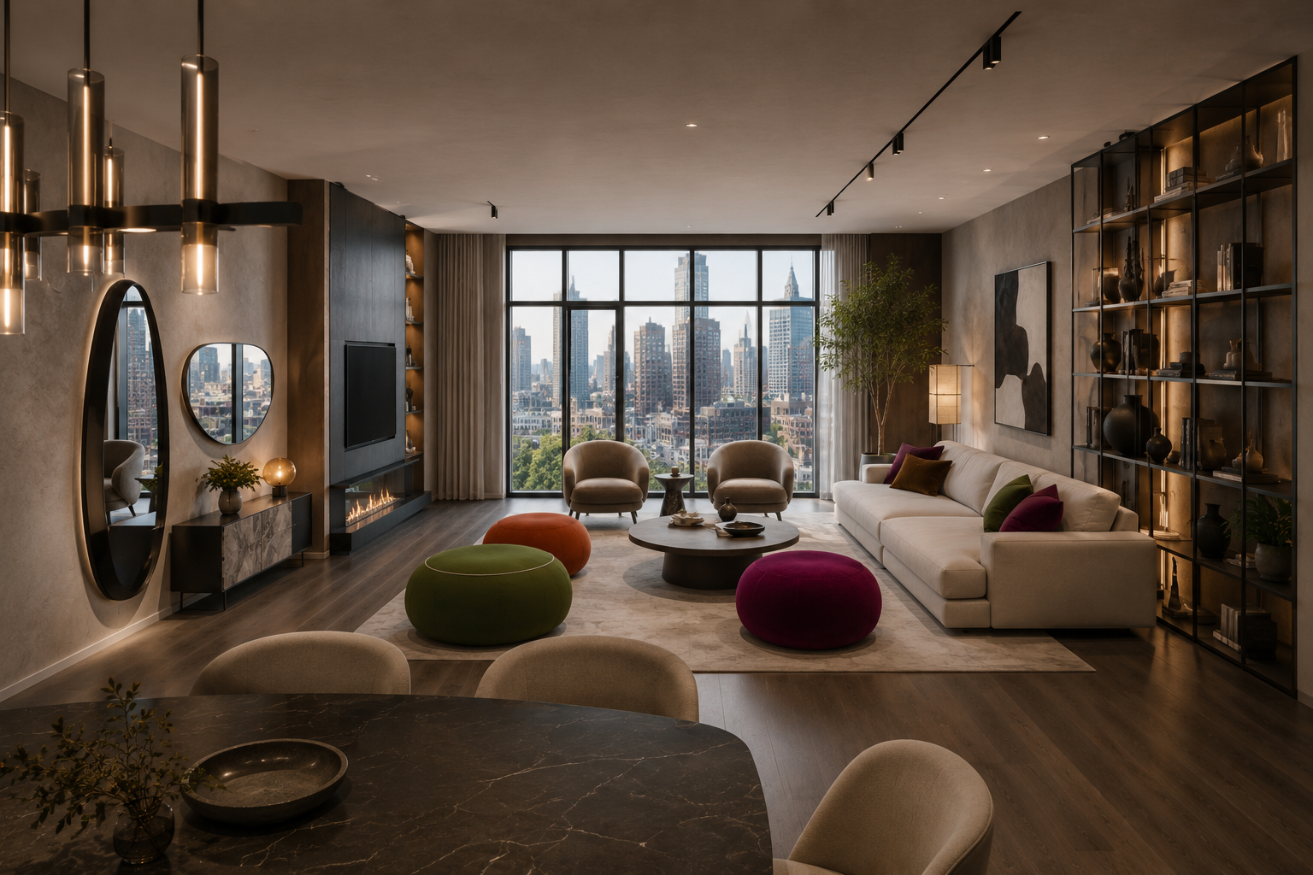
You want your home to tell your story, not look like a generic page from a catalog. But creating a truly curated space is challenging. It requires a trained eye to achieve a cohesive look and access to unique furnishings that you can’t find in retail stores. A full-service designer brings both of these to the table. They have spent years building relationships with trade-only vendors and artisans, giving you access to a world of exclusive furniture, lighting, and decor. This is one of the greatest benefits of working with a firm that provides end-to-end interior design services Philadelphia. They don’t just pick pretty things; they create a harmonious, high-value design that reflects your personality and elevates your daily life.
End-to-end interior design, often called full-service design, is a comprehensive approach to transforming your home. Think of it as a white-glove service where a professional designer manages every detail of your project, from the initial concept to the final installation. It’s a partnership designed to bring your vision to life without you having to orchestrate the complex process of renovating and decorating. This service is perfect if you’re a busy professional, a new homeowner feeling overwhelmed, or anyone who wants a professionally curated space without the stress of managing it all yourself.
The process begins with your ideas and ends with a beautiful, functional home ready for you to enjoy. Your designer acts as your creative guide and project manager, handling everything from space planning and material selection to ordering furniture and coordinating with contractors. They ensure that every element, from the largest sofa to the smallest decorative accent, works together to create a cohesive and personalized environment. Instead of juggling dozens of decisions and tasks, you get to focus on the exciting parts while an expert handles the rest. It’s about turning the dream for your home into a tangible reality, seamlessly and artfully.
The journey begins with an initial consultation, which is much more than a simple meet-and-greet. This is the foundational step where your designer gets to know you, your lifestyle, and how you envision using your space. They’ll visit your home to take detailed measurements and discuss your aesthetic preferences, functional needs, timeline, and budget. It’s a time for open conversation. Do you love hosting dinner parties? Do you need a dedicated space for work or relaxation? This deep dive allows the designer to create a strategic space plan that not only looks beautiful but also supports your daily life. The goal is to leave this meeting with a clear direction and a shared understanding of the project's goals.
Once the plan is in place, your designer moves into the creative development phase. This is where your vision starts to take shape. They will build a complete design concept for you, which is a detailed blueprint for your new space. This presentation often includes floor plans showing furniture layout, mood boards, and physical samples of fabrics, paint colors, and finishes. You’ll be able to see and feel the proposed materials. After you’ve approved the design, your designer handles all the sourcing and ordering. They use their expertise and industry connections to select the perfect pieces, whether it’s a statement bed for your primary suite or custom lighting for your living room.
The installation phase is where your designer’s project management skills truly shine. Instead of you coordinating schedules with painters, electricians, and delivery companies, your designer manages it all. They act as the central point of contact for all vendors and contractors, ensuring the project stays on schedule and on budget. They oversee every delivery, inspect each piece of furniture for quality and damage, and direct the placement of every item according to the design plan. This meticulous oversight prevents costly errors and saves you from logistical headaches. You can relax knowing an expert is handling the complexities, allowing you to simply anticipate the final reveal of your completed home.
One of the biggest myths about end-to-end design is that it’s an unnecessary luxury. Many people worry about the cost, but hiring a designer is an investment that can actually save you money and time. A professional can help you avoid expensive mistakes, like ordering a sofa that doesn’t fit through the door or choosing a paint color that looks completely different on the wall. Designers also provide access to trade-only furnishings and discounts not available to the public. Our interior design services are structured to maximize your budget, ensuring every dollar is spent wisely to achieve a high-end, cohesive result that adds lasting value to your home.
Deciding how to approach a home design project can feel like a major crossroads. On one hand, the DIY route offers a hands-on creative outlet and the promise of saving money. It’s tempting to imagine yourself single-handedly transforming your space, one Pinterest board at a time. The reality, however, can involve endless decisions, logistical nightmares, and costly mistakes that a weekend warrior simply isn't prepared for. This is where full-service, or end-to-end, interior design comes in.
Choosing a full-service firm means handing the reins to a professional who manages every detail, from the initial concept to the final installation. It’s an investment in expertise, efficiency, and peace of mind. For busy professionals and homeowners who value a seamless experience and a high-quality result, it’s often the most logical path. The choice isn't about which option is better, but which one is the right fit for your specific goals, lifestyle, and vision for your home. Let's look at what a full-service designer brings to the table.
Your time is your most valuable asset. A full-service interior designer’s primary role is to protect it. They act as your dedicated project manager, handling the hundreds of tasks that go into a renovation or redecoration. This includes creating timelines, coordinating with contractors, managing budgets, tracking orders, and troubleshooting the inevitable issues that arise. Instead of spending your evenings and weekends chasing deliveries or vetting tradespeople, you can focus on your life and career.
The goal is to make the design process feel easy and enjoyable for you. A designer streamlines communication and decision-making, presenting you with well-curated options that fit your vision. This removes the overwhelming feeling of facing infinite choices. You get to participate in the fun parts, like approving beautiful design concepts for your living spaces, while the designer handles the complex, time-consuming work behind the scenes.
One of the biggest advantages of working with a professional is gaining access to their network and resources. Experienced designers have spent years building relationships with trusted and vetted professionals, from architects and builders to painters and electricians. They can connect you with reliable contractors and suppliers, saving you the anxiety of finding quality tradespeople on your own. This network is invaluable for ensuring your project is executed to the highest standard.
Beyond their network of contacts, designers also have access to trade-only showrooms and vendors. This opens up a world of unique furniture, fabrics, lighting, and decor that you simply can't find in retail stores. If you want a home that feels truly custom and curated, a designer is your key to sourcing those special pieces that will beautify your space and set it apart from the ordinary.
A designer’s trained eye is essential for creating a space that is both beautiful and functional. They don't just pick out pretty things; they develop a comprehensive plan to ensure every element works in harmony. By creating detailed drawings and plans, they help you visualize the final result before any major purchases are made. This strategic approach ensures a cohesive look and feel throughout your home, from the color palette to the furniture scale.
This level of planning also provides incredible value. A designer can help you avoid expensive mistakes, like buying a dining table that’s too large for your room or investing in a trend that will quickly feel dated. They know how to plan spaces well and choose materials wisely to maximize your budget and deliver a high-end result. Ultimately, a professionally designed home not only enhances your daily life but can also significantly increase your property’s value.
Philadelphia has a rich and diverse design scene, which is wonderful, but it can also make finding the right partner for your project feel like a challenge. When you’re investing in a full-service design experience, you want a team that not only understands your vision but can also manage every detail from the initial sketch to the final installation. A great end-to-end firm acts as your creative partner and project manager, ensuring a seamless process and a result you’ll love for years to come. They handle the complex logistics, coordinate with contractors, and source unique pieces, freeing you up to enjoy the creative parts of the process without the stress of day-to-day management.
To help you get started, I’ve gathered a list of some of Philadelphia’s top design firms that offer comprehensive, end-to-end services. Each has a unique approach and aesthetic, so you can find the one that best aligns with your personal style and project goals. Whether you're drawn to sleek European modernism or cozy, classic comfort, there's a firm here that can bring your dream home to life.
If you’re drawn to the clean lines and timeless elegance of European design, EuroHome is a fantastic place to start. They are masters at blending modern and traditional elements to create spaces that feel both sophisticated and inviting. Their approach is deeply personal, focusing on understanding your lifestyle to design a home that is not only beautiful but also perfectly functional for you. With a comprehensive range of services, they guide you through every step, from space planning to selecting the perfect pieces for your living and dining areas. They truly excel at creating personalized, high-end interiors that reflect a client's unique taste.
For those who value sustainability without sacrificing style, Down2Earth Interior Design is an excellent choice. This Philadelphia-area firm specializes in creating beautiful interiors that are also low-maintenance and environmentally conscious. Their philosophy is that a well-designed home should be easy to care for and good for the planet. The team at Down2Earth Interior Design breaks down the process into clear stages, from initial concepts to final implementation, making it easy to follow along. They are a great fit for anyone looking to create a healthy, beautiful, and sustainable living environment.
Do you want your home to feel like a true reflection of you? Old Soul Design Studio focuses on creating deeply personal spaces that you’ll love coming home to. Their main goal is to infuse your home with your unique personality, making it feel authentic and lived-in. The team at Old Soul Design Studio handles everything with a personal touch, whether it’s a large-scale kitchen remodel or selecting the small, meaningful details like furniture and art that complete a room. They are perfect for homeowners who want to create a space that tells their story.
Brady Design is a distinguished Philadelphia firm that offers the combined expertise of an interior design and architecture team. This dual focus is a significant advantage for complex projects, ensuring a cohesive vision from the structural framework to the interior finishes. They specialize in creating traditional, classic-inspired designs that feel both sophisticated and comfortable. If your project involves architectural changes or you simply appreciate a timeless aesthetic, the team at Brady Design can help you plan and execute a beautiful, well-crafted home. Their detailed drawings and thoughtful planning process ensure every aspect of your project is carefully considered.
Understanding the investment is a crucial first step when you're considering a full-service interior designer. While the idea of a completely custom, professionally designed home is exciting, the price tag can feel like a mystery. The truth is, costs vary widely based on your vision, the scale of your project, and the designer you choose. Think of it not just as a fee, but as an investment in a seamless process and a home that truly reflects your lifestyle and taste for years to come. Let's break down what you can expect.
So, what's the bottom line for bringing a professional designer on board in Philadelphia? While every project is unique, most homeowners pay between $4,832 and $7,441 for an interior designer. Of course, this is just an average. The full cost for an interior decorator in Philadelphia can range from around $918 for a small project to upwards of $13,778 for a more extensive transformation. This range covers the designer's expertise in creating a cohesive plan, sourcing materials, and managing the project, ensuring your vision for a beautiful home becomes a reality without the guesswork.
Several key factors determine your final cost. Many designers charge by the hour, with rates typically falling between $50 and $200. Others may charge a flat fee for the entire project or a percentage (often around 15%) on top of the cost of furniture and materials they source for you. This fee covers their time, expertise, and access to trade-only pieces. The scope of your project is the biggest variable; a single room refresh will naturally cost less than a full home renovation. The complexity of the design and the quality of finishes, from custom cabinetry to luxurious pieces for sleeping and living, will also shape the budget.
Working with a designer doesn't have to mean an unlimited budget. One of the best ways to manage costs is to start small. You can hire a professional to decorate one or two main rooms, like the living and dining areas, to set a beautiful tone for your home. You can then use that professionally curated design as inspiration for other spaces. Be upfront with your designer about your budget from the very first conversation. A great designer is your partner in making smart decisions, helping you decide where to invest in a timeless statement piece and where you can incorporate more budget-friendly accents to achieve a high-end look.
Finding the right interior design firm is a bit like dating. You’re looking for a partner who understands your vision, respects your needs, and has the expertise to create a space you’ll love for years to come. With Philadelphia’s vibrant design scene, you have plenty of options, but the key is to find the firm that’s the perfect match for you and your project. It all starts with a little research and knowing what to look for. By focusing on a firm’s past work, their process, and your connection with their team, you can confidently select a partner to guide your home’s transformation.
The first step is to play detective and dive into a firm’s portfolio. This is your best window into their design soul. As you browse their past projects, look for a style that resonates with you. Do you see spaces that feel like home? Pay attention to "Before & After" photos, which showcase their ability to truly transform a room. A strong portfolio will display a range of work, from residential rooms to larger commercial spaces. Also, consider firms that offer a complete design experience. A team that can handle everything from major renovations to selecting the final pieces of contemporary furniture and art ensures your home has a beautifully cohesive feel from top to bottom.
A gorgeous design plan is only as good as its execution. This is where a firm’s project management skills become critical. A great designer doesn’t just create renderings; they actively oversee the construction and installation process, coordinating with contractors to make sure every detail is implemented perfectly. This hands-on approach is what separates a smooth project from a stressful one. Furthermore, a firm with deep knowledge of Philadelphia’s local building codes and permit processes is invaluable. Their expertise helps your project move forward without costly delays or compliance issues, letting you focus on the exciting parts of the design journey.
Once you’ve narrowed down your list, it’s time for a conversation. This is your chance to gauge if a firm is the right fit on a personal level. Before you commit, ask about their design philosophy and how they work to reflect a client’s unique story in their spaces. You’re building a relationship, and trust is the foundation. Inquire about how they handle communication, budgets, and any disagreements that might arise. Understanding their interior design services and process will help you set clear expectations. A firm that prioritizes earning your trust and collaborating with you is one that will ultimately create a space that feels authentically yours.
Philadelphia's design scene is as dynamic as the city itself, blending rich history with a forward-thinking spirit. If you're looking to refresh your space, you’ll find that current trends focus on creating homes that are personal, practical, and beautifully crafted. From environmentally conscious choices to the seamless integration of technology, these are the key styles shaping Philadelphia interiors.
Creating a home that’s good for the planet is more than just a passing trend; it’s a priority. Homeowners are increasingly seeking out sustainable design solutions that reduce their environmental impact without sacrificing style. This means choosing furniture made from reclaimed or responsibly sourced materials, using low-VOC paints for better air quality, and installing energy-efficient lighting. It’s about investing in high-quality pieces that are built to last, moving away from disposable decor and toward timeless items you’ll love for years. This approach helps you beautify your home while making a conscious choice for the environment.
Neutrals are taking a backseat as Philadelphians embrace more expressive and personalized interiors. This trend is all about confidence: using bold, saturated colors on walls or through statement furniture and mixing materials to create depth and interest. Think plush velvet sofas paired with sleek metal tables or warm wood accents set against cool marble. There’s a strong nod to European design influences, which masterfully blend classic elegance with modern sophistication. You can bring this look home by selecting a few key pieces for your living area that feel both contemporary and timeless.
Modern life requires our homes to be more flexible than ever, and Philadelphia's design trends reflect this need. Smart home technology is being integrated in subtle, intuitive ways to make daily life easier, from automated lighting that adjusts to your routine to thermostats you can control from your phone. At the same time, designers are creating clever, multifunctional spaces. A spare room might serve as a home office during the day and a cozy guest room at night, thanks to a stylish sleeper sofa. The goal is to create an adaptable home that supports everything you do, from working to relaxing to entertaining guests.
Working with an interior designer is a partnership, and knowing what to expect can make the entire experience smoother and more enjoyable. While every project has its own unique rhythm, the journey from an empty room to a fully realized space follows a structured path. A professional designer acts as your guide, handling the complex details so you can focus on the excitement of seeing your vision come to life. From the first conversation to the final installation, the process is designed to be collaborative, creative, and clear.
Once you’ve chosen a designer, they will begin by creating a comprehensive design plan tailored to your home and lifestyle. This isn't just about picking paint colors; it's a complete blueprint that includes detailed floor plans, furniture layouts, material selections, and custom features. Your designer will present you with concepts that reflect your goals, incorporating everything from lighting to textiles. After you approve the direction, your designer manages all the behind-the-scenes work. They handle the ordering of furniture and materials, coordinate with contractors, and oversee the budget. This meticulous planning ensures every piece of the puzzle fits together perfectly, creating a cohesive and polished look that feels uniquely you.
One of the most common questions is, "How long will this take?" The honest answer is: it depends. The timeline for an interior design project varies based on its scope, but you can generally expect the process to take several weeks or even months. A single room refresh will be quicker than a full-home renovation. The duration is influenced by factors like contractor availability and lead times for custom furniture or imported materials. For example, a beautifully crafted Italian sofa is worth the wait, but that wait time needs to be factored into the schedule. A good designer will provide a realistic timeline from the start and keep you updated as the project progresses, managing all the moving parts to ensure a steady and predictable pace.
A successful design project is built on clear communication and trust. The process typically starts with an in-home consultation where your designer gets to know you and your space. This is your opportunity to share your ideas, discuss your daily routines, and establish a clear budget and timeline. Be prepared to talk about what you love, what you don’t, and how you want your home to feel. Bringing inspiration to the table is always helpful, whether it's a Pinterest board or a collection of images. The more you can share your vision, the better your designer can translate it. At the same time, be open to their suggestions. Their expertise can introduce you to new possibilities and ensure the final design is not only beautiful but also functional and timeless.
I have a clear vision for my home. Will a designer just take over, or will I still have creative input? This is a partnership, not a takeover. A great designer’s job is to refine your vision and bring it to life, not to impose their own style on you. The initial phase is all about them getting to know your tastes, lifestyle, and goals. You are central to the creative process, especially during the design approval stage. The designer handles the logistics, project management, and technical details, which frees you up to focus on the exciting creative decisions and ensure the final result feels completely like you.
How can paying a designer's fee actually save me money in the long run? It’s a common question, but think of a designer as an investment that protects your overall budget. They prevent expensive mistakes, like ordering furniture that doesn't fit or choosing materials that don't last. Designers also provide access to trade-only furnishings, often at a better price than retail. By managing the project, they ensure everything is ordered correctly and installed properly, avoiding costly errors and delays that can quickly add up when you manage a project on your own.
What should I prepare for my initial consultation to make it as productive as possible? To get the most out of your first meeting, spend some time thinking about how you want your home to feel and function. It’s very helpful to gather inspiration photos from magazines or online platforms that capture the mood you’re after. Also, have a clear idea of your budget and a general timeline. The more information you can share about your lifestyle, your family’s needs, and what you love (or don’t love) about your current space, the better your designer can start crafting a plan that’s perfect for you.
Is end-to-end design only for whole-home renovations, or can I hire a firm for a single room? Full-service design is flexible and can be scaled to fit your needs. While it’s ideal for large-scale renovations, it’s also perfect for transforming a single room, like a primary bedroom or a living area. Many people choose to start with one or two key spaces to ensure they are designed perfectly. This approach allows you to experience the benefits of a professionally managed project without committing to a whole-home overhaul all at once.
What happens if I don't like the design concept my designer presents? Honest feedback is a crucial part of the process, so you should always feel comfortable speaking up. The design development phase is collaborative for this very reason. A designer will typically present a concept with mood boards, floor plans, and samples, which gives you a clear picture of the proposed direction. If something isn't right, this is the time to discuss it. A professional designer will listen to your concerns and revise the plan until it aligns perfectly with your vision before any orders are placed.

