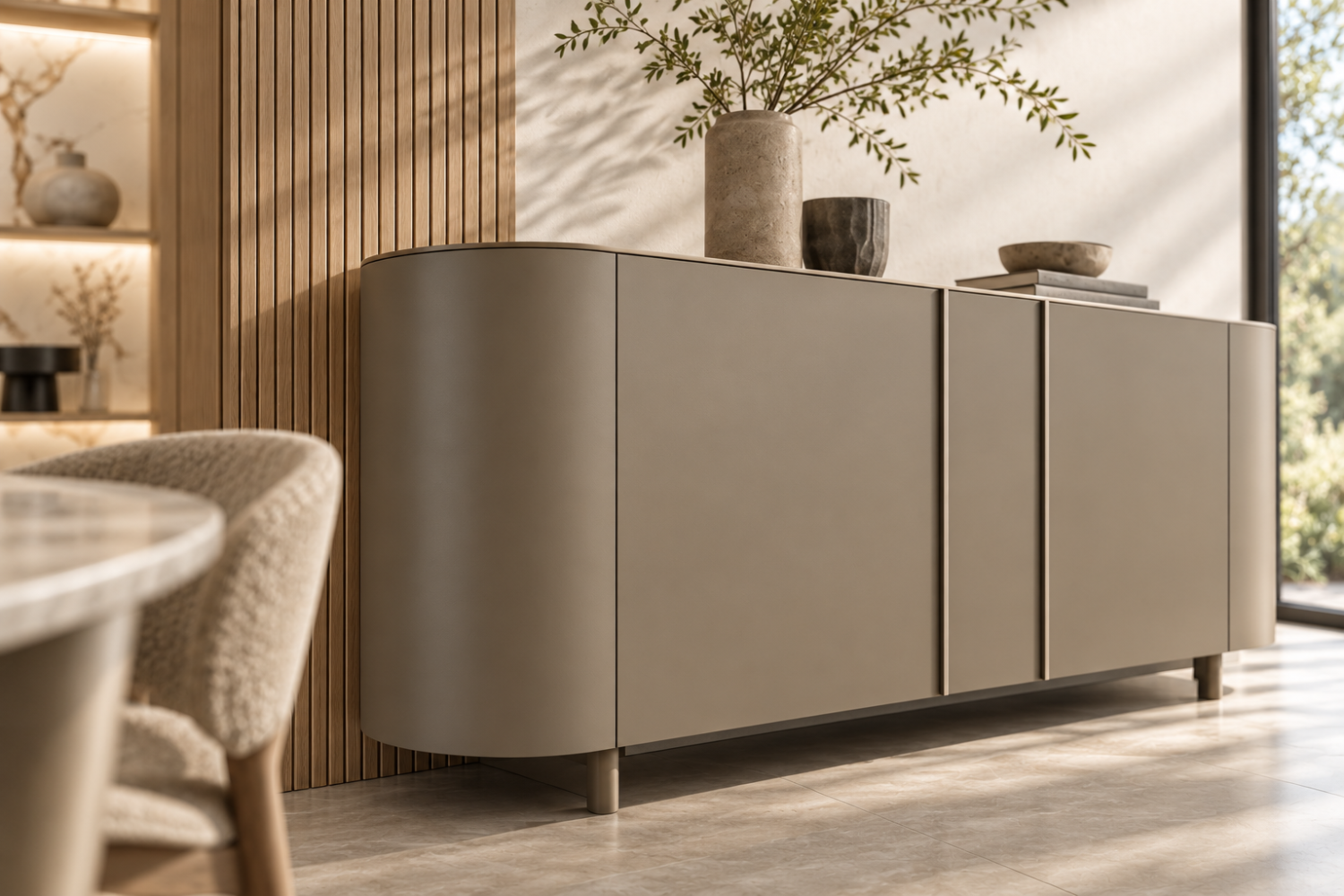
If you love hosting, you know that creating an effortless, welcoming atmosphere is key. The secret weapon for any great entertainer is a piece of furniture that works as hard as you do. Enter the buffet. It’s your command center for gatherings—a chic bar for cocktails, an elegant station for desserts, and a discreet storage hub for all your serving essentials. The right dining room buffet cabinet streamlines the art of entertaining, allowing you to spend less time running to the kitchen and more time enjoying your guests. This guide will show you how to select and style the perfect buffet to become the star of your next party.
A dining room buffet is one of the most versatile pieces of furniture you can own. At its core, it’s a long, low-profile cabinet designed to provide extra storage and serving space in your dining area. Think of it as the perfect home for your special occasion dinnerware, fine linens, and silverware, keeping everything you need for hosting close at hand. But its utility doesn't stop there. This stylish workhorse can also serve as a beautiful focal point, a surface for displaying art, or even a bar for your next get-together.
While you’ll often find them in our Eating collection, a well-chosen buffet can easily transition into a living room, hallway, or entryway, offering chic storage wherever you need it most. You’ve probably heard a few different names for this piece—sideboard, server, credenza—and it can get a little confusing. Don't worry, we'll clear that up and help you figure out exactly what you're looking for. The main takeaway is that a buffet is a functional, elegant addition that brings both organization and personality to your space.
When you start looking for a buffet, you'll find a fantastic range of styles to match your home's aesthetic. Modern Italian designs often feature clean lines, high-gloss finishes, and minimalist hardware for a sleek, sophisticated look. Contemporary European styles might play with mixed materials like wood, metal, and glass, creating a piece that feels both current and timeless. You'll also see variations in form. Some buffets are all about concealed storage, with doors and drawers to keep clutter out of sight. Others incorporate open shelving, giving you a chance to display beautiful ceramics or your favorite cookbooks. The key is to find a style that not only meets your storage needs but also complements your dining table and chairs, tying the whole room together.
A buffet is much more than just a pretty piece of furniture; it’s a problem-solver. Its primary benefit is storage. It gives you a dedicated spot to organize everything from platters and serving bowls to candles and tablecloths, freeing up valuable kitchen cabinet space. During meals and parties, the top surface becomes an invaluable serving station. For easy serving, look for a piece that is at least 30 inches tall and 18 inches deep. Beyond the dining room, a buffet’s flat surface is the perfect canvas for personal expression. You can decorate a buffet with lamps, a vase of fresh flowers, or a curated collection of art, adding a layer of style and warmth to your home.
Let’s clear up the confusion around the terminology. In today's furniture world, shops and designers often use words like 'sideboard,' 'buffet,' and 'credenza' interchangeably. While they all refer to a long, low storage cabinet, they have slightly different historical roots. The term "buffet" is originally Swedish and was used for serving large spreads of food, which is why pieces with higher legs are often called buffets. "Sideboard" is the British term, and these pieces traditionally have shorter legs or a cabinet that goes to the floor. "Credenza" comes from the Italian word for "belief" and historically described a legless cabinet used in dining halls. Ultimately, you don't need to get too caught up in the names. Focus instead on the size, style, and storage features that work best for your space.
Choosing a buffet is about more than just finding a piece that looks good; it’s about investing in furniture that fits your home and your life perfectly. Before you fall in love with a specific design, it’s helpful to think through the practical details. The right buffet cabinet will feel like it was made just for your room, offering the perfect blend of style, scale, and function. It should solve a problem—whether that’s a lack of storage or a need for a serving surface—while also adding to your home's overall aesthetic. A well-chosen buffet can anchor your dining room, provide a beautiful backdrop for meals, and make entertaining a breeze.
To find that perfect match, we need to look at four key areas: size, storage, materials, and finishes. Getting the size right ensures your room feels balanced, not cramped or empty. Smart storage means the piece is as useful as it is beautiful, keeping your essentials organized and out of sight. High-quality materials and construction guarantee it will last for years, becoming a cherished part of your home that can withstand countless dinner parties and family gatherings. Finally, the hardware and finish are the details that express your personal style and tie the whole room together. Thinking about these elements will help you narrow down your options and choose a buffet you’ll be happy with for a long time.
The first rule of furniture shopping is to measure your space. Before you even start browsing, grab a tape measure and figure out the length and depth you can accommodate. Make sure to leave enough room for people to walk around it comfortably and for cabinet doors or drawers to open fully. A great rule of thumb for the dining room is to choose a buffet that’s a little shorter than your dining table. This keeps the table as the room's focal point and creates a pleasing visual balance. Also, consider the height—you want it to be a comfortable height for serving food, which is typically around 36 inches.
Think about what you plan to store in your buffet, as this will guide the interior configuration you need. Are you storing tall serving platters, delicate wine glasses, or stacks of table linens? If you have a mix of items, look for a combination of drawers and cabinets. Many contemporary buffets and sideboards feature adjustable shelves, which are fantastic for customizing the space to fit taller items like vases or liquor bottles. Drawers are perfect for organizing flatware and smaller items, while open shelving can be used to display your favorite cookbooks or decorative objects. The goal is to find a piece that neatly hides your clutter while keeping everything you need within reach.
A buffet is a significant piece of furniture, so you want it to be built to last. Solid wood is a timeless choice known for its durability and beauty. Woods like oak, walnut, or mango have unique grains that add warmth and character to a room. When you’re looking at a piece, check for signs of quality construction. Are the drawers fitted with smooth glides? Are the joints secure? High-quality materials not only look better but also hold up to daily use. Investing in a well-built piece ensures it can handle holiday dinners and family gatherings for years to come, making it a true centerpiece to beautify your home.
The hardware and finish are the finishing touches that define your buffet's personality. Do you prefer the clean, handle-free look of integrated pulls, or do you like the statement that bold brass or matte black hardware makes? These small details can tie the buffet to other elements in your room, like light fixtures or chair legs. The finish also plays a huge role. A glossy lacquer can feel modern and glamorous, a natural wood stain can feel warm and rustic, and a painted finish can add a pop of color. Don’t be afraid of richer, warmer tones—they can bring incredible depth and sophistication to your dining space.
A buffet cabinet isn't just a piece of furniture; it's a statement. It sets the tone for your dining room and reflects your personal taste. Whether you're drawn to the sleek minimalism of Italian design or the warm, inviting feel of a more traditional piece, the right style can tie your entire space together. Think about the overall vibe of your home. Are you aiming for a clean, uncluttered look, or something more eclectic and layered? Understanding the key characteristics of different design movements will help you narrow down your options and find a buffet that you'll love for years to come. Let's explore some of the most popular styles to help you find your perfect match.
Modern Italian design is all about sophisticated simplicity. Think clean, sharp lines, a minimalist aesthetic, and an unwavering focus on functionality. These pieces don't rely on heavy ornamentation; instead, their beauty comes from high-quality materials and flawless construction. You’ll often see buffets crafted from beautiful natural woods paired with sleek metals, creating a look that is both organic and industrial. This style is perfect if you appreciate understated luxury and want a piece that feels both current and timeless. A modern Italian buffet can anchor your dining space without overwhelming it, offering practical storage while making a chic, confident statement. It’s a testament to the idea that less truly can be more.
If your style is always evolving, contemporary European design might be your ideal fit. Unlike modern design, which refers to a specific era, "contemporary" reflects the trends of today. These buffets often feature clean lines, but with a softer edge. You might find interesting details like glass-front doors, mixed materials, or unique geometric shapes that add visual interest. Their versatility is a major draw; a contemporary buffet can feel just as at home in a formal dining room as it does in a more casual, open-plan living area. This adaptability makes them a smart choice for anyone looking to beautify their home with pieces that are stylish, functional, and can evolve with their decor over time.
For those who love classic elegance, traditional buffets offer timeless appeal. These pieces often feature rich wood finishes, intricate carvings, and ornate hardware that evoke a sense of history and grandeur. On the other hand, if you find traditional a bit too formal but modern too stark, transitional style is the perfect middle ground. It skillfully blends classic elements with the clean lines of contemporary design. A transitional buffet might have the classic shape of a traditional piece but with simpler hardware and a more neutral finish. This makes it incredibly versatile, allowing it to harmonize with a wide range of decor themes, from classic to modern.
Once you've settled on a general style, the small details are what will truly make your buffet shine. Think about the hardware—do you prefer the sleek look of handleless drawers, or do you want knobs and pulls that act as jewelry for your furniture? Color also plays a huge role. While neutral wood tones are always classic, a buffet in a bold, playful color can become an incredible focal point. Don’t forget about lighting. Placing a pair of stylish lamps on top or installing a beautiful pendant light above can highlight your buffet and create a warm, inviting ambiance. These finishing touches help complete the look and turn a functional item into a curated design moment.
A buffet is more than just a beautiful piece of furniture; it’s a workhorse for your dining room. With a little planning, you can turn it into a perfectly organized hub for storage and a stunning canvas for your personal style. The key is to think about both function and form, ensuring everything you need is close at hand while creating a display that enhances your entire space.
The true magic of a buffet lies within its doors and drawers. These pieces are designed to be incredibly useful for both storage and decorating, so take full advantage of the space. Designate specific drawers for flatware, serving utensils, and linens like napkins and tablecloths. Use drawer dividers to keep everything neat and easy to find. The larger cabinet spaces are perfect for storing special occasion dinnerware, serving platters, or even small appliances you don’t use every day. By giving every item a home, you’ll keep your buffet clutter-free and ready for any occasion, leaving the top surface clear for beautiful decorative objects.
If you love to host, a buffet will quickly become your best friend. It’s the perfect staging area for gatherings, big or small. Before guests arrive, you can use the flat top to serve snacks, set up a self-serve bar with drinks and glasses, or create an elegant dessert station. Inside, keep all your dining essentials organized and within arm’s reach. Store dishes, glasses, and extra napkins so you can easily grab what you need without leaving the party. A well-stocked buffet makes entertaining feel effortless, allowing you to spend more time enjoying the company of your guests.
Don’t feel limited to the dining room! A stylish buffet is one of the most versatile pieces you can own. In a living room, it can function as a media console, hiding away electronics while providing a surface for a television or art. Place one in a wide entryway to serve as a chic landing spot for keys and mail, with hidden storage for shoes or bags. The key is to choose a piece with enough space for everything you want to store. This multi-functional approach is perfect for modern living, where every piece of furniture needs to earn its place by being both beautiful and practical in any living space.
Decorating your buffet is a simple way to refresh your room and show off your personality. Think of its surface as a rotating display. Start with a few core anchor pieces, like a lamp for ambient lighting, a large piece of art or a mirror on the wall behind it, and a tray to ground smaller items. From there, you can introduce seasonal touches. Add a vase of fresh flowers in the spring, a bowl of citrus in the summer, or candles and greenery in the winter. Play with items of different heights and textures—like rough, smooth, or shiny finishes—to create depth and visual interest.
Finding the right buffet often comes down to balancing your budget with your desire for quality and style. The price of a buffet can range from a few hundred to many thousands of dollars, depending on the materials, craftsmanship, and brand reputation. Understanding the different tiers of the market can help you focus your search and find a piece that you’ll love for years to come.
Generally, you can group buffets into three main categories: high-end, mid-range, and value-focused. High-end pieces are often handcrafted from premium materials and represent a significant investment in timeless design. Mid-range options provide a fantastic balance of style and durability, while value-focused brands make modern designs accessible at a lower price point. Let’s look at what you can expect from each.
When you invest in a high-end buffet, you're paying for more than just storage; you're acquiring a piece of artistry. Brands in this category prioritize superior materials like solid hardwoods, exquisite veneers, and premium hardware. Think of companies like Ethan Allen, which offers handcrafted buffets and sideboards designed to be heirloom pieces. At EuroHome, we specialize in this tier, curating a collection of Italian and European designs that blend impeccable craftsmanship with sophisticated, modern aesthetics. These are the pieces that anchor a room and become a part of your family’s story, offering both beauty and function that will last a lifetime.
The mid-range market is where many people find their perfect match. Brands like West Elm and IKEA offer stylish, well-designed buffets that deliver great looks without the high-end price tag. These companies are experts at creating modern buffet tables that capture current trends while remaining functional for everyday life. You’ll often find a mix of materials, such as solid wood combined with high-quality veneers and engineered wood, which helps keep costs down without sacrificing stability. This category is ideal if you want a durable, fashionable piece that provides excellent quality for its price.
If you're looking for style on a budget, there are plenty of value-focused options available. Large online retailers like Wayfair offer a massive selection of dining buffet cabinets in nearly every style imaginable. These pieces are typically made from more affordable materials like MDF and particleboard with laminate or veneer finishes. While they may not have the longevity of a solid wood piece, they provide excellent functionality with features like adjustable shelves and ample storage. When shopping in this category, be sure to read customer reviews and check the product specifications carefully to ensure it meets your needs.
Absolutely. A well-chosen buffet is one of the most versatile pieces of furniture you can own. It’s an investment in both organization and style that pays dividends for years. Beyond the dining room, a buffet can serve as a media console in the living room, a stylish storage solution in an entryway, or even a chic bar for entertaining. Its flat surface is the perfect canvas for expressing your personal style. Learning a few simple tips on how to decorate a buffet can transform the piece into a focal point for any room. By choosing a quality buffet that you love, you’re adding a functional, beautiful asset to your home that will adapt with you through every season of life.
When you’re investing in a piece of furniture that will be a centerpiece in your dining room for years, you want to know it’s built to last. A quality buffet is more than just a pretty face; it’s a combination of thoughtful design, solid materials, and meticulous craftsmanship. The difference between a piece that lasts a season and one that lasts a lifetime often comes down to the details. From the type of wood used to the feel of the drawer pulls, these elements signal durability and superior design. Let’s look at what separates a truly great buffet from the rest.
The material of your buffet is its foundation. Solid wood pieces, like oak, walnut, or mango, offer incredible durability and a timeless appeal, with unique grains that make each piece one-of-a-kind. If you love the intersection of modern and rustic design, then natural wood is a great material for your buffet. High-quality veneers are also an excellent option, providing the look of exotic woods on a stable core, which helps prevent warping. The finish is just as important—it not only provides the color and sheen but also protects the wood from spills and wear. A well-applied finish will feel smooth to the touch and enhance the natural beauty of the wood, ensuring your piece looks great in your dining space.
Hardware is the jewelry of your furniture. It’s also one of the quickest ways to gauge quality. Open a drawer or a cabinet door. Do the handles feel sturdy and substantial in your hand? Do the hinges operate smoothly and silently? High-quality buffets feature hardware made from solid metals like brass or stainless steel, which won't tarnish or break easily. Details like soft-close hinges or full-extension drawer glides are not just convenient; they indicate that the manufacturer didn't cut corners. These functional elements contribute to the daily experience of using your furniture and are essential for its long-term durability. The right hardware complements the wood and finish, completing the overall aesthetic and adding a touch of functional beauty.
How a buffet is put together is critical to its stability and longevity. Look for signs of expert craftsmanship, like dovetail or mortise-and-tenon joints, which create strong, lasting bonds. These are far superior to the simple glue and staples found in lower-quality furniture. The back panel should be solid and well-fitted, not a flimsy piece of cardboard. Modern designs often focus on clean lines, glass fronts, and versatile storage that works in both casual and formal settings. Features like adjustable shelves are a must, as they allow you to customize the interior to fit everything from tall vases to stacks of plates. These construction details ensure your buffet can handle the demands of daily living and entertaining.
A buffet that stands the test of time is a result of all these elements working together: premium materials, robust hardware, and expert construction. It’s a piece built with intention. As homeowners become more selective about the materials and finishes they choose, the focus shifts to furniture that offers both style and substance. A timeless design will also outlive fleeting trends, ensuring your investment remains a beloved part of your home for years to come. Think of a quality buffet not as a temporary storage solution, but as a foundational piece of furniture that will host countless dinners, celebrations, and quiet family moments. It’s this combination of durability and enduring style that truly defines a quality piece.
A buffet cabinet is more than just a storage piece; it’s a stage for your personal style. Whether you’re aiming for a minimalist look or a curated collection of your favorite things, styling your buffet can transform the entire feel of your dining room. The key is to create a display that feels intentional, balanced, and uniquely you. Think of it as the finishing touch that ties your space together, making it perfect for quiet family dinners and lively get-togethers alike.
With a few simple guidelines, you can arrange your decor like a professional. We’ll walk through the core principles of styling, from finding the perfect placement in your room to choosing accessories that tell your story. These steps will help you create a beautiful, functional focal point that you’ll love for years to come.
Before you place a single item, clear everything off the top of your buffet. A blank canvas helps you see the space with fresh eyes. As you begin styling, focus on balance. Imagine a vertical line down the center of the cabinet; the visual weight on both sides should feel roughly equal, even if the objects themselves are different. This creates a sense of harmony.
Next, group items in odd numbers, especially threes. Our eyes are naturally drawn to arrangements of three, so try creating a "visual triangle" with your decor. Place the tallest object in the back, either centered or slightly off-center, with two shorter items in front to create depth. Finally, remember that less is more. A few carefully selected pieces will have a much greater impact than a cluttered surface.
Where you place your buffet is just as important as how you style it. The right spot ensures your dining room flows well and feels spacious. As a rule of thumb, leave at least 24 inches of clear space between the edge of your dining table and the front of your buffet. This gives guests enough room to comfortably pull out their chairs and walk around the table without feeling cramped.
This functional spacing is crucial for creating an inviting atmosphere, especially if you love to entertain. Proper placement makes your entire collection of dining room furniture feel cohesive and thoughtfully arranged, allowing each piece to shine without overcrowding the room.
To create a polished look, stick to a limited color palette that complements your dining room. Pull two or three colors from your wall art, rug, or curtains to use in your buffet decor. This simple step ensures your display feels connected to the rest of the space.
From there, introduce a variety of textures to add depth and interest. Contrast is your friend here. Pair a smooth, glossy ceramic vase with a rustic wooden bowl, or place a sleek metallic tray next to a soft, fabric-bound book. Mixing different materials like glass, metal, wood, and stone prevents the arrangement from feeling flat and adds a sophisticated, tactile quality that invites a closer look.
Start your arrangement with an "anchor" piece. This is a large, substantial item that grounds your display, like a statement table lamp, a large mirror, or a significant piece of art hung on the wall above the buffet. This main element provides a focal point and makes it easier to build the rest of your vignette around it.
Once your anchor is in place, layer in smaller accessories that reflect your personality. This is where you can have fun with beautiful home decor like sculptural objects, elegant candle holders, a stack of interesting books, or a vase with fresh greenery. These personal touches are what make the styling feel authentic and turn your buffet from a simple piece of furniture into a true reflection of your home.
A beautiful buffet is more than just furniture; it’s a centerpiece for your dining room and a long-term investment in your home’s style. Whether you’ve chosen a sleek Italian design or a timeless European piece, a little care will ensure it remains a stunning focal point for years of gatherings and quiet moments alike. Keeping your buffet looking its best doesn’t require a complicated regimen—just a consistent and gentle approach.
The best way to maintain your buffet’s beautiful finish is with a simple, regular dusting. Use a soft, dry microfiber cloth to gently wipe down the surfaces. This prevents dust from settling and hardening over time. For minor smudges or fingerprints, you can slightly dampen the cloth with water, but be sure to wipe it dry immediately with a separate cloth. Avoid using all-purpose cleaners, polishes with silicone, or any harsh chemicals, as they can strip the finish and damage the wood. A gentle touch is all you need to keep your dining room furniture looking pristine.
Your buffet’s top surface is the most vulnerable to daily wear. The easiest way to protect it is by using coasters, placemats, or decorative runners, especially when serving food and drinks or displaying decor. This simple step prevents scratches and water rings. If you need to do a deeper clean on an older piece, you can use mineral spirits with extreme caution. Always test any cleaning solution on a small, hidden area first to see how the finish reacts. For everyday care, prevention is your best strategy to maintain that flawless, showroom-quality look.
The knobs, pulls, and handles on your buffet are like jewelry for your furniture—they complete the look. Over time, oils from hands can cause them to tarnish or lose their luster. To clean them properly, it’s often best to carefully remove the hardware from the buffet. This allows you to polish it thoroughly without accidentally getting cleaner on the wood finish. A simple cleaning can make a huge difference, restoring the sparkle and enhancing the overall aesthetic of the piece. It’s a small detail that helps your buffet and other decorative pieces truly shine.
While regular maintenance will handle most upkeep, some issues are best left to the experts. If your buffet has deep scratches, significant water damage, a peeling finish, or loose joints, it’s time to call a professional furniture restorer. Trying to fix major problems yourself can sometimes lead to more extensive and costly damage, especially with high-quality or antique pieces. A professional has the right tools and expertise to safely restore your furniture, protecting your investment and ensuring it can be enjoyed by future generations. Knowing when to ask for help is key to smart furniture ownership.
How do I choose the right size buffet for my dining room? The best place to start is with a tape measure. A good guideline is to choose a buffet that is slightly shorter than your dining table to create a nice visual balance. Most importantly, make sure you leave at least 24 inches of clearance between the buffet and your table or any other furniture. This ensures you and your guests have plenty of room to walk around comfortably, even when chairs are pulled out.
Can I really use a buffet in another room, like my living room or entryway? Absolutely! That’s one of the best things about them. A beautiful buffet is incredibly versatile. In a living room, it works perfectly as a stylish media console or a chic bar for entertaining. In a hallway or entryway, it can serve as a sophisticated drop-zone for keys and mail, with valuable hidden storage for shoes, bags, or other items you want to keep out of sight.
I'm overwhelmed by styling. What's the simplest way to make my buffet look good? The easiest way to get a polished look is to start with a large "anchor" piece on the wall behind your buffet, like a mirror or a piece of art you love. Then, create symmetry by placing a matching lamp on each end of the buffet. This adds height, balance, and warm lighting. From there, you only need one or two personal items in the center, like a beautiful bowl or a stack of books, to make it feel complete without looking cluttered.
What's the one thing I should prioritize when looking for a quality buffet that will last? Focus on the construction. A truly well-made piece will have signs of quality craftsmanship, like solid wood or high-quality veneers and strong joints. Open the drawers and doors—they should feel sturdy and operate smoothly. While a beautiful finish is important, it's the solid "bones" of the furniture that ensure it will stand up to years of dinner parties and daily life.
Is there really a difference between a buffet, a sideboard, and a credenza? While they have slightly different historical origins, today the furniture world uses these terms almost interchangeably. You don't need to get caught up in the specific name. Instead, focus on finding a piece with the dimensions, style, and storage features—like drawers, shelves, or cabinets—that work best for your home and your needs.

