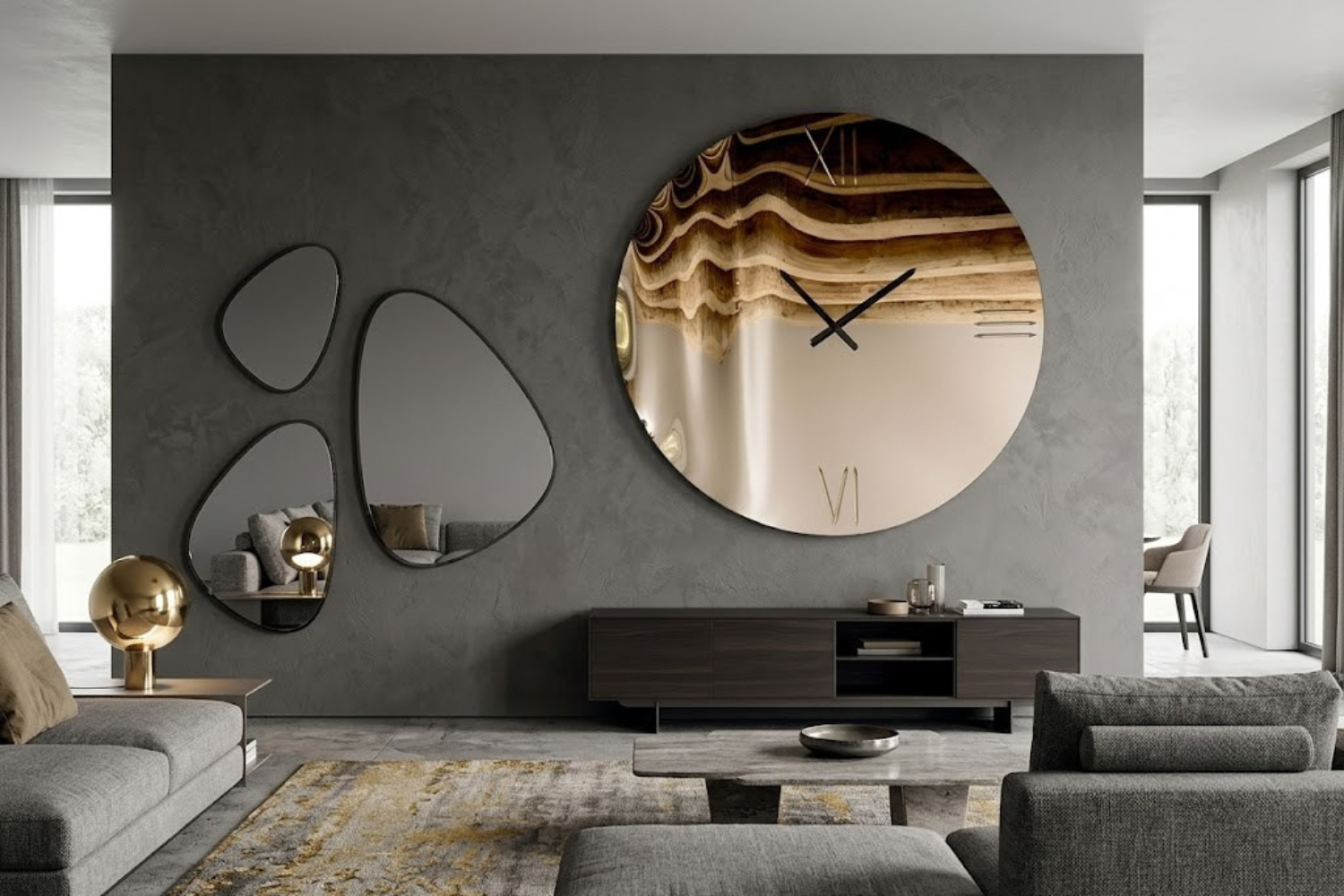
Staring at a blank wall above your sofa can make any well-furnished room feel incomplete. A modern statement wall clock solves this design gap by adding scale and texture to your space.
A modern statement wall clock is a bold tool that blends style with daily use. Choosing the right piece starts with scale. Select a clock that is balanced with your wall so it does not look lost. Experts at Architectural Digest suggest using clocks to add visual variety. Proper placement means hanging the clock at eye level, about 60 inches from the ground. This height makes it a clear focal point and keeps it easy to read from across the room. You should also pick a style that matches your furniture. Simple, clean designs work well for modern homes, while metal finishes add luxury.
Knowing what to look for makes picking the right size and style much easier. You must understand What Makes a Wall Clock a "Statement" Piece? before you start shopping. This helps you find a piece that fits your home perfectly. The path begins with defining the key features.
A modern statement wall clock is more than a simple tool to track the time. It serves as a bold piece of art that can anchor a whole room. Many high-end designs use unique frames to draw the eye and set a tone. Whether the frame is sleek and metal or has a raw shape, it changes a basic tool into a main piece. This shift from pure use to art makes these clocks a key part of the Beautify collection.
In many homes, a clock is the first thing people look for when they enter a room. By choosing a piece with a large, artful frame, you turn a quick glance into a moment of joy. These frames can be made from rich wood, dark metal, or even stone. Each choice adds a new layer to your home style. A large clock face with a bold frame acts like a painting. It tells a story about your taste while it keeps you on track.
Choosing the right clock allows you to mix use with style. A clock with a large frame or a bold color adds weight to a plain wall. It fills empty space while giving you a clear way to see the hour. Modern styles often use fine materials like stone, glass, or polished steel. These choices show off your taste and help tie a room together. By picking a piece that stands out, you create a point of draw that guests will notice.
When you pick a luxury clock, you are buying more than a timekeeper. You are buying a piece that will last for years. European design often focuses on clean lines and high grade build. This means your clock will look good even as trends change. A clock that uses gold or silver tones can match other metal pieces in your room. This creates a unified look that feels planned and expert. It shows that you care about every small part of your home.
Large clocks work well in open homes where walls can feel bare. They offer a way to show your style without the need for a complex gallery wall. A single, well-placed clock can hold its own above a sofa or near a dining table. It acts as a main spot that brings balance to the space. Using these pieces as art lets you keep your home clean and modern. You get the benefit of a clear clock face while adding a touch of class to your life.
Art is not just for frames on a shelf. A clock is a great way to add art that also has a job to do. This is helpful in rooms like the kitchen or home office where space is tight. You do not need to choose between a clock and a painting. A statement piece gives you both. It is a smart way to make your home feel full and finished. With the right clock, you can change a dull wall into a source of pride.
In high-end interior design, timekeeping is not merely a functional necessity but an opportunity for sculptural expression. Selecting the correct size for a timepiece requires an understanding of visual weight, architectural volume, and spatial harmony. The size of a wall clock should be proportional to the wall space it occupies to avoid appearing out of place. When selected with precision, a timepiece elevates the entire room, anchoring the surrounding high-quality Italian and Scandinavian furniture and completing the design narrative.
Generous architectural footprints demand bold design choices. Oversized clocks can serve as the dominant visual element in an open-concept living area. In expansive modern homes, large wall clocks can serve to add visual interest to large, plain wall areas in open floor plans. Rather than cluttering a wall with multiple small frames, a single, monumental clock creates a clean, sophisticated focal point. It commands attention and guides the eye, perfectly complementing a spacious Living room collection of low-profile modular sofas and minimalist shelving. To ensure the piece does not overwhelm, maintain generous negative space around it, allowing the design to breathe and resonate within the larger volume of the room.
While open-concept living zones welcome grand scales, more defined rooms require a meticulous balance of proportion. Large statement wall clocks are effective in creating drama in smaller spaces. By introducing a larger timepiece into a compact study or dining nook, you create an unexpected focal point that makes the entire room feel more expansive. The key lies in selecting sleek profiles and airy, skeletonized frames that offer visual interest without physical density. To guide your design decisions, the following table outlines the ideal placement dimensions and styling notes across primary living areas.
| Space | Recommended Diameter | Visual Role | Styling Note |
|---|---|---|---|
| Living Room | 24 to 36 inches or more | Dominant Visual Element | Center above a low-profile Italian sideboard or elegant fireplace. |
| Bedroom | 16 to 24 inches | Harmonious Accent | Place on an accent wall to ensure the timepiece remains proportional. |
| Kitchen | 12 to 18 inches | Functional Drama | Mount near a dining alcove to create visual drama in a smaller space. |
| Entryway | 18 to 30 inches | Welcoming Statement | Position over a sleek console to add visual interest to plain wall areas. |
By treating each timepiece as a piece of fine art, you can achieve a perfect balance of scale and proportion. Whether opting for a dramatic oversized clock or a beautifully scaled proportional piece. The ultimate goal is to enhance the spatial flow and emphasize the craftsmanship of your home.
Picking the right spot for your clock needs more than just a clear wall. You must think about how you will see the time in your daily life. A modern statement wall clock works best when it sits at a height that feels easy to your eyes. If you hang it too high, it will look like it is floating away from your other items. If it is too low, it might feel crowded by your couch or chairs. Aim for a spot that is easy to check at a quick glance.
Home experts follow a simple rule for hanging art and clocks. You should place the center of the clock at eye level. For most homes, this means the middle of the clock should be 57 to 60 inches from the floor. This height keeps the piece easy to see and helps it match your other home items. It creates a clean look that feels right to the human eye. When you use this rule, your clock becomes a key part of the room.
You also need to think about where you will be when you look at the time. A clock in the kitchen needs to be seen while you are standing and cooking. In a living room, you might look at it while you are seated on the sofa. Check these view lines before you put in any nails. You may need to move the clock a few inches so a lamp or chair does not block it. Making sure you can see the face from your most-used spots is key for daily use.
Balance is vital when you pick a spot for a large clock. You can center the clock on a focal point like a kitchen island or a feature wall. This makes the clock feel like it belongs in the space. If you have a fireplace, you can hang a large clock above the mantel to create a strong center point. This helps to steady the room and gives your eyes a clear place to rest. A well-placed clock ties all your design choices together.
A modern statement wall clock does more than track time. It acts as a central piece of art that sets the mood for your room. When you choose a style, it should work with your decor to create a clean, cohesive look. Our design center consultations can help you match these pieces to your specific home layout.
Minimalist clocks often use simple lines and no numbers to keep a space feeling open. These pieces are great for rooms that have bold colors or textures. A modern statement wall clock in a minimalist style keeps the focus on the room design without adding clutter. Large, abstract clocks can often be the single defining piece in a room with a simple look.
Japandi style blends Japanese peace with Scandinavian function. This look often uses irregular or asymmetrical shapes to provide a unique feel. You might see a mix of stone, wood, and metal in these clocks. These natural materials help a room feel warm but still very modern. Using materials like acrylic or stone can make a clock look like a custom art profile.
Geometric clocks use bold shapes like circles or squares to draw the eye. These clocks work well when you want to break up the long lines of a shelf or a large sofa. You should pick a metal finish that matches the other items in your room. If your lamps or chair legs are gold or black, choose a clock with those same tones to tie the look together.
Some new designs use a tech-forward approach with digital displays or LED lights. Digital wall clocks with an artistic texture offer a fresh twist on timekeeping. They blend a modern look with easy-to-read tech. These pieces work well in home offices or zones where you need quick data and a sharp design. According to time management studies by Infinity Clocks, a visible clock face promotes time awareness. This simple addition improves daily productivity without the distractions of a digital screen.
Creating a refined, custom gallery wall is an exquisite art form that requires balancing scale, texture, and visual depth. Integrating a clock into a gallery wall can break up the monotony of flat art prints or photos. By introducing a three-dimensional timepiece, you elevate the entire display from a simple collection of frames to a gallery-grade installation. Statement clocks can be integrated into gallery walls to add variety and functionality to the wall art composition. This curation turns a blank surface into a sophisticated narrative that highlights both fine craftsmanship and curated memories.
Using clocks as artwork allows homeowners to combine functionality with personalized decor choices. To achieve a balanced, high-end aesthetic that resonates with luxury, follow this precise step-by-step styling process to seamlessly harmonize your statement timepiece with your surrounding fine art collection.
When selecting the perfect timepiece for a sophisticated home, aesthetic appeal must harmonize with seamless functionality. Beyond the visual statement a clock makes on a wall. Two essential practical features dictate its daily enjoyment: the quietness of its movement and the convenience of its power source. Investing in modern engineering ensures that a stunning design performs flawlessly in any upscale environment.
In high-end interior design, true luxury is experienced through details that elevate daily living, including acoustic comfort. High-quality modern wall clocks often use silent, non-ticking mechanisms for enhanced comfort in living spaces. By eliminating the persistent, mechanical ticking sound of traditional timepieces, these modern designs allow the natural ambiance of a home to remain calm and undisturbed. Whether gracing the wall of an intimate bedroom or a formal salon, a silent mechanism ensures that your home remains a peaceful sanctuary.
The functional requirements of a study or private office demand both visual clarity and mental focus. When choosing a wall clock for a workspace, visibility and non-ticking operation are primary functional considerations. A clear, legible face allows for effortless timekeeping at a glance, while the absence of audible ticks prevents cognitive distraction. This combination of visual elegance and acoustic silence makes premium contemporary clocks an indispensable addition to any professional or creative workspace.
True design flexibility relies on the ability to place art and decor exactly where they create the greatest visual impact. Analog wall clocks do not require charging and are often battery-operated for ease of placement anywhere. This eliminates the need for unsightly cords hanging down the wall, preserving the clean architectural lines of your space. Furthermore, battery-operated clocks provide flexibility for placement on walls without requiring electrical proximity. This enables seamless installation in high-ceiling entryways, above floating consoles, or within gallery walls, offering complete freedom to curate your home without architectural constraints.
Absolutely. In high-end contemporary interior design, a wall clock is no longer treated as a mere timekeeping utility; rather, it is approached as a significant piece of sculptural art. Modern statement clocks do not simply occupy space, they anchor a room, balancing functional utility with refined aesthetic value. Today's luxury wall clocks utilize premium materials such as brushed brass, solid walnut, hand-blown glass, and polished marble. These materials allow them to serve as sophisticated focal points above a minimalist Italian sideboard or a sleek fireplace mantle. By choosing a clock that reflects the architectural lines and design language of your home. You transform a blank wall into a sophisticated gallery-like experience that elevates the entire room's design dialogue.
For maximum comfort in living rooms, bedrooms, and home workspaces, high-quality modern wall clocks often use silent, non-ticking mechanisms. While the classic rhythmic tick of a traditional timepiece holds historical charm, modern open-concept layouts, intimate bedrooms, and focused home offices demand a peaceful auditory environment. A silent sweep mechanism ensures that your home remains a sanctuary of quiet luxury, allowing you to focus on work, conversation, or rest without distraction. EuroHome Interiors recommends investing in clocks equipped with premium silent quartz or electronic movements that offer flawless precision and a smooth, continuous second-hand sweep. Ensuring that your design choices contribute positively to both the visual and sensory harmony of your home.
Selecting the perfect scale is crucial for ensuring your wall clock feels deliberate and visually integrated. Standard statement clocks range from 24 to 36 inches or more for open spaces, while bedrooms and smaller rooms benefit from proportional sizes of 12 to 24 inches. A well-placed clock should complement the surrounding furniture and architectural elements. For instance, a large clock should span approximately two-thirds of the width of the sideboard or console table below it, creating a balanced and satisfying composition. In spacious, high-ceilinged areas, a grand clock serves as a focal point, emphasizing the room's scale and design. When styling a gallery wall, the clock should remain proportional to the adjacent artworks, maintaining visual balance and spatial harmony.

