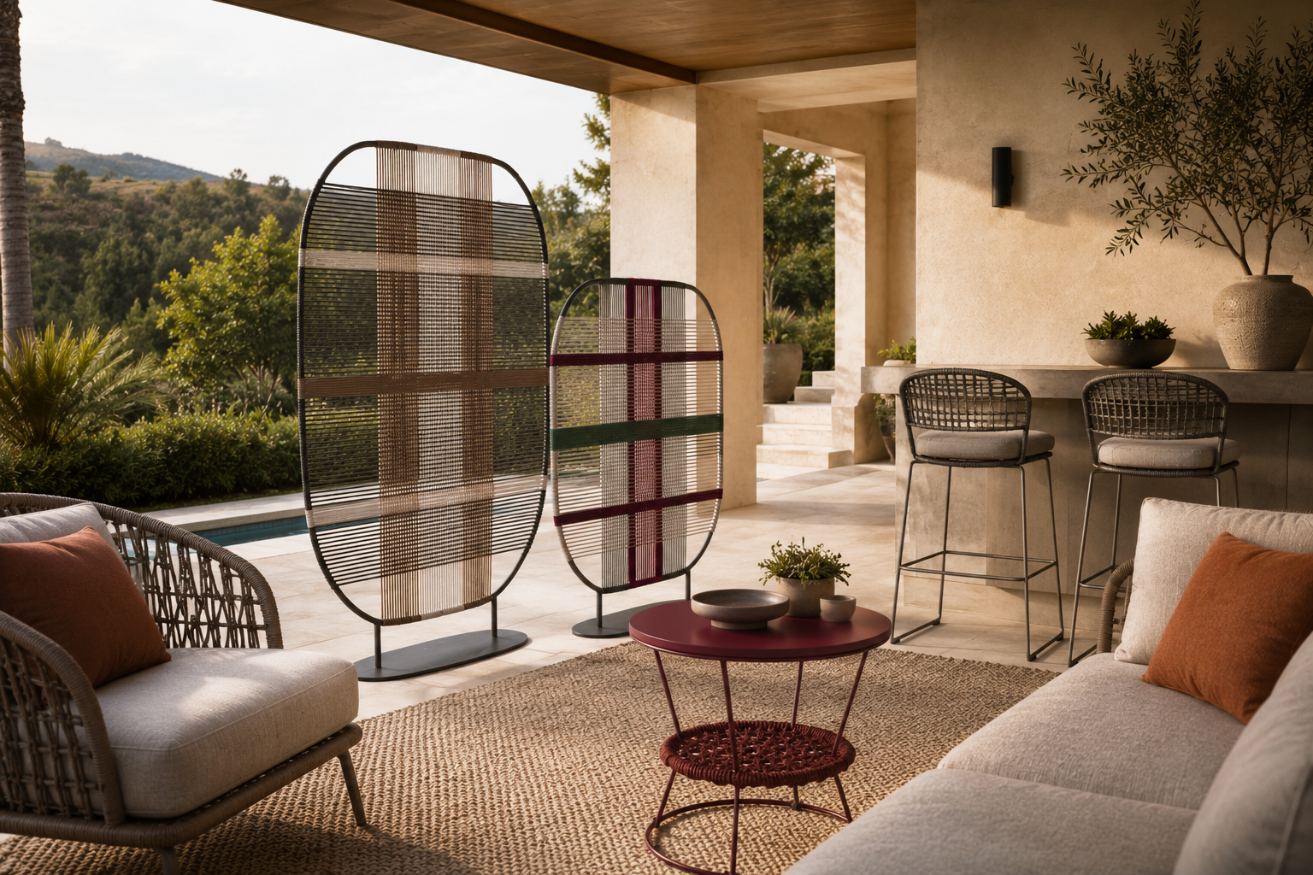

European outdoor furniture elevates any space, offering style and comfort that lasts. Proper care ensures these pieces remain beautiful through every season. Understanding seasonal maintenance extends their life and preserves their sophisticated look.
Transform your backyard into a luxury sanctuary: Shop Premium European Outdoor Furniture at EuroHome Interiors
To care for outdoor furniture effectively, seasonal adjustments are key. In spring, a deep clean removes winter grime, followed by sealing and lubrication for moving parts. Summer care focuses on routine cleaning to prevent UV damage and dirt buildup, with quick wipe-downs after use. As autumn approaches, protect pieces from falling leaves and moisture with covers, and perform thorough cleaning before storage. Winter demands either protective covering or indoor storage to shield furniture from harsh elements like frost and snow, preventing material degradation and structural damage. Regular attention to these seasonal needs preserves the beauty and longevity of your outdoor investment, ensuring it remains a focal point for years to come.
This guide will walk you through the specifics of maintaining your luxurious European outdoor pieces, season by season. The path begins with Understanding the Fundamentals of Luxury Outdoor Furniture Care.
Luxury outdoor furniture from European brands is more than just seating. It is an investment in design and durability for your outdoor living areas. Pieces like those in EuroHome's 'Playing Outside' collection are crafted from high-quality materials. This ensures they withstand various weather conditions while retaining their aesthetic appeal.
Choosing premium outdoor furniture means selecting items built to last. These pieces offer superior comfort and style. They enhance the overall look and feel of your patio, garden, or deck. Proper care helps protect this investment, ensuring your furniture remains a highlight for years.
To maintain the showroom quality and extend the life of your luxury outdoor furniture, regular aftercare is key. This goes beyond simple cleaning. It involves understanding specific material needs, proper storage, and timely maintenance. Neglecting these steps can lead to premature wear and fading, diminishing your investment.
Each material, from teak to powder-coated aluminum, has unique care requirements. For example, regular cleaning prevents dirt buildup, while protective covers shield furniture from harsh elements. Following recommended care practices ensures your furniture continues to look its best. It also helps preserve its structural integrity, a hallmark of quality outdoor design.
Consistent maintenance is not just about aesthetics; it's about preserving functionality and value. Over time, exposure to sun, rain, and temperature changes can impact materials. Regular checks and treatments can prevent minor issues from becoming major problems. This proactive approach saves time and money in the long run.
Understanding these fundamental care principles helps you get the most from your luxury pieces. It ensures they remain beautiful and functional for many seasons. This commitment to care reflects the quality of your furniture investment. The right maintenance keeps your outdoor space inviting and stylish.
Teak wood is known for its durability and natural resistance to weather. This is due to its high content of natural oils and rubber. These elements protect the wood from moisture, insects, and decay, making it ideal for outdoor use. Teak can last for many decades with proper care.
Over time, untreated teak will weather to a soft, silvery-gray patina. This change is purely cosmetic and does not harm the wood's strength or integrity. Many people prefer this weathered look for its classic appeal in outdoor settings.
Regular cleaning helps maintain teak and other premium woods. Use a soft brush or sponge with mild soap and water to remove dirt and mildew. Rinse thoroughly with clean water and allow the furniture to air dry completely. Avoid harsh chemicals or high-pressure washers, which can damage the wood fibers.
For tougher stains or deeper cleaning, specialized teak cleaners are available. These products help restore the wood's original color before it begins to silver. Always follow the manufacturer's instructions for best results and to prevent any damage.
The choice between oiling and varnishing depends on your desired look and level of maintenance. Oiling teak helps preserve its warm, golden-brown color. Teak oil penetrates the wood, nourishing it and enhancing its natural luster. This treatment often needs to be reapplied once or twice a year to maintain the color.
Varnishing provides a protective layer on the wood's surface. This creates a glossy finish and offers strong defense against UV rays and moisture. However, varnish can crack or peel over time, requiring sanding and reapplication. For a natural feel and easier upkeep, many prefer to oil teak or let it weather naturally.
Keeping your premium outdoor tables and metal furniture clean helps it last longer. For aluminum and stainless steel frames, a simple cleaning solution works best:
Regular maintenance ensures that your luxury outdoor sectionals remain stunning and functional across all seasons.

Regularly inspect all joints and hardware on your metal outdoor furniture. Look for any loose screws, bolts, or connections. Tighten these as needed to ensure stability and prevent wobbling. This check is important for the safety and durability of your pieces.
Over time, hardware can wear or rust, especially in coastal areas. Replace any damaged or rusted parts promptly. This simple maintenance step can prevent bigger issues and keep your furniture in good condition for years.
When caring for metal frames, avoid using harsh chemicals or abrasive cleaning tools. Products like bleach, ammonia-based cleaners, or scouring pads can damage powder coatings on aluminum and even corrode stainless steel surfaces. These can strip protective layers and lead to rust or discoloration.
Stick to the mild soap and water solution recommended for routine cleaning. For stubborn spots, a non-abrasive cleaner designed for outdoor metals may be used, but always test it on a small, hidden area first. Proper cleaning choices help preserve the finish and integrity of your durable outdoor materials.
Keeping your outdoor cushions and canvas clean helps them last longer and look better. Regular cleaning removes dirt, mildew, and stains. This guide provides a step-by-step process for effective cleaning.
Addressing stains promptly is key to maintaining the appearance of your outdoor fabrics. Always check the care tag for specific instructions, as some materials may require special treatment.
Start by gathering your supplies for your high-end outdoor chairs: a soft brush, two buckets, mild liquid soap (like dish soap), and a hose for rinsing. You may also need a sponge or cloth for scrubbing.
For tougher stains, consider a specialized outdoor fabric cleaner. Always test any cleaner on a small, hidden area first to check for colorfastness.
Dish soap is generally safe for most fabrics.
First, brush off any loose dirt, leaves, or debris from the cushions and canvas. Use a vacuum cleaner with an upholstery attachment for a more thorough initial clean.
For spot treatment, mix a small amount of mild soap with water. Apply this solution directly to any visible stains and gently scrub with a soft brush or sponge. Rinse well.
Dawn Powerwash can be used on outdoor furniture for tough grease or food stains. Spray it on, let it sit for a few minutes, then scrub and rinse thoroughly.
Fill one bucket with warm water and a small amount of mild liquid soap. Use this soapy water to wet down the entire cushion or canvas surface.
Gently scrub the fabric with your soft brush or sponge, focusing on areas with dirt or grime. Avoid scrubbing too hard, as this can damage the fabric fibers.
Use your hose to rinse the items completely, ensuring all soap residue is gone. Any leftover soap can attract new dirt or cause mildew.
The most important step is to dry all items thoroughly. Place cushions upright or hang canvas in a sunny, well-ventilated area. This prevents mold and mildew growth.
Ensure everything dries within 24-48 hours. If drying takes longer, move items indoors or use fans to speed up the process. Do not store items damp.
Once dry, your cushions and canvas are ready for use. Regular cleaning helps extend their life and keeps your outdoor space looking fresh.
Protecting outdoor furniture from winter weather is key to its lifespan. While some pieces can stay outside, proper preparation prevents damage. Freezing temperatures, snow, and ice can harm many materials. Taking time to clean, cover, and store furniture helps it last longer.
Whether furniture can remain outdoors depends on its material and your local climate. Wrought iron and aluminum are more resistant to cold. However, even these benefit from protection. Wood, wicker, and upholstered items need more care. Extreme cold can cause materials to crack or warp.
Breathable covers are essential for European outdoor sofas and other furniture left outside. These covers protect against moisture and UV rays, yet allow air circulation. This prevents mold and mildew buildup. Look for covers made from durable, waterproof fabrics that fit snugly to your furniture pieces.
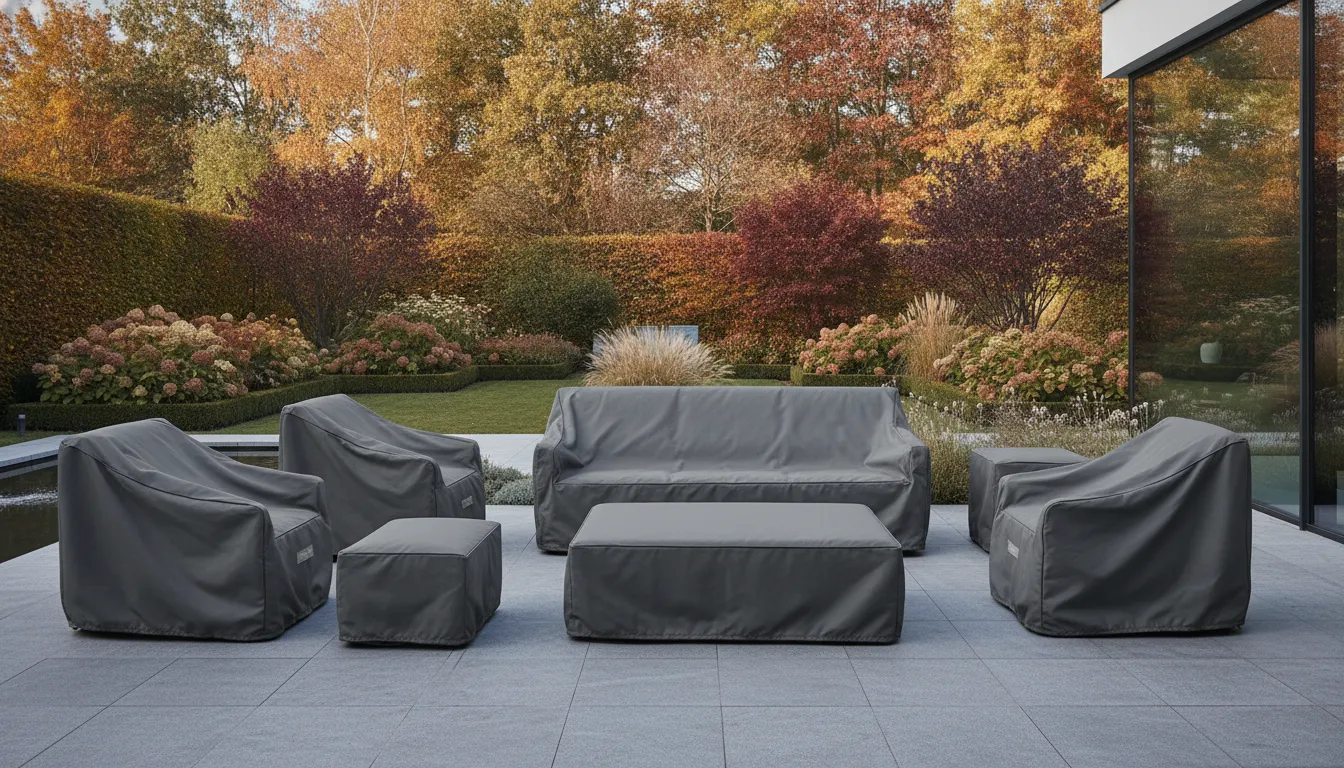
For best protection, store furniture in a garage, shed, or basement. First, clean each item thoroughly. Remove cushions and store them indoors. For items that must stay outside, follow the covering advice. Elevate furniture slightly off the ground to improve airflow and prevent moisture accumulation.
Choosing outdoor furniture involves more than just style; understanding material maintenance is key for long-lasting enjoyment. Premium options like teak, powder-coated metals, and synthetic rattan each have different care needs. Knowing these helps you protect your investment and keep your outdoor space looking its best year after year.
Teak furniture is famed for its durability and natural resistance to weather. It can be left to age into a soft silver-gray patina, or you can maintain its original golden-brown color. Regular cleaning is important, usually with a soft brush and soapy water to remove dirt and mildew.
Powder-coated metal furniture offers a sleek, modern look with minimal upkeep. A simple wipe-down with mild soap and water usually suffices. Synthetic rattan, made from durable polyethylene, also requires little effort. Rinse it periodically to remove dust and debris, and use a soft brush for tougher spots.
Cushions add comfort and color, but they are often the most delicate part of outdoor sets. Many come with removable, machine-washable covers, which simplifies cleaning. Spot-clean minor spills promptly. Store cushions indoors or in a protective box during harsh weather or extended periods of non-use to prevent fading and mildew.
| Material | Maintenance Frequency | Key Care Tips | What to Avoid |
|---|---|---|---|
| Teak | Annually or Biannually | Clean with mild soap and water; use teak sealer for golden color. | Harsh chemicals, pressure washers, abrasive cleaners. |
| Powder-Coated Metal | Monthly or as needed | Wipe with soft cloth, mild soap, and water; touch up scratches quickly. | Abrasive cleaners, steel wool, strong solvents. |
| Synthetic Rattan | Quarterly or as needed | Hose off; use soft brush for dirt; mild soap for deeper clean. | Harsh brushes, extreme heat, chemical sprays. |
| Outdoor Cushions | Regularly (spot clean/seasonal wash) | Spot clean spills; wash covers as directed; store when not in use. | Bleach, leaving wet, prolonged sun exposure, sharp objects. |
To shield outdoor furniture from rain, use waterproof covers designed for furniture. For wood, apply a sealant or varnish to create a water-resistant barrier. Metal pieces benefit from rust-proof coatings. Store cushions indoors during wet weather. Regular cleaning also helps prevent moisture damage and keeps your furniture in good shape.
While some European outdoor furniture is built to endure winter, it's often best to provide extra protection. For most materials, using heavy-duty, waterproof covers is key. If possible, storing items in a shed or garage extends their life. Remove cushions and keep them dry indoors to prevent mold and mildew.
The best cleaning method depends on the material. For general cleaning, a mix of mild soap and water with a soft brush or cloth works well for most surfaces like plastic, wicker, and painted metal. Rinse thoroughly and let it air dry. For stubborn dirt, check manufacturer guidelines for specific cleaning solutions.
The frequency for treating outdoor wood furniture varies by wood type and local climate. Generally, apply a sealant or oil annually to protect against moisture and UV damage. Hardwoods like teak may need less frequent treatment than softer woods. Inspect your furniture yearly for signs of wear and reapply as needed to maintain its look and durability.
Delaying proper care for your European outdoor furniture can lead to damage from weather and wear, shortening its lifespan and diminishing its beauty. Starting now ensures your investment stays pristine, ready for enjoyment season after season. Don't wait for costly repairs or replacements.
Ready to schedule a free consultation with our design team? Visit our design center to schedule a free consultation with our design team today.

