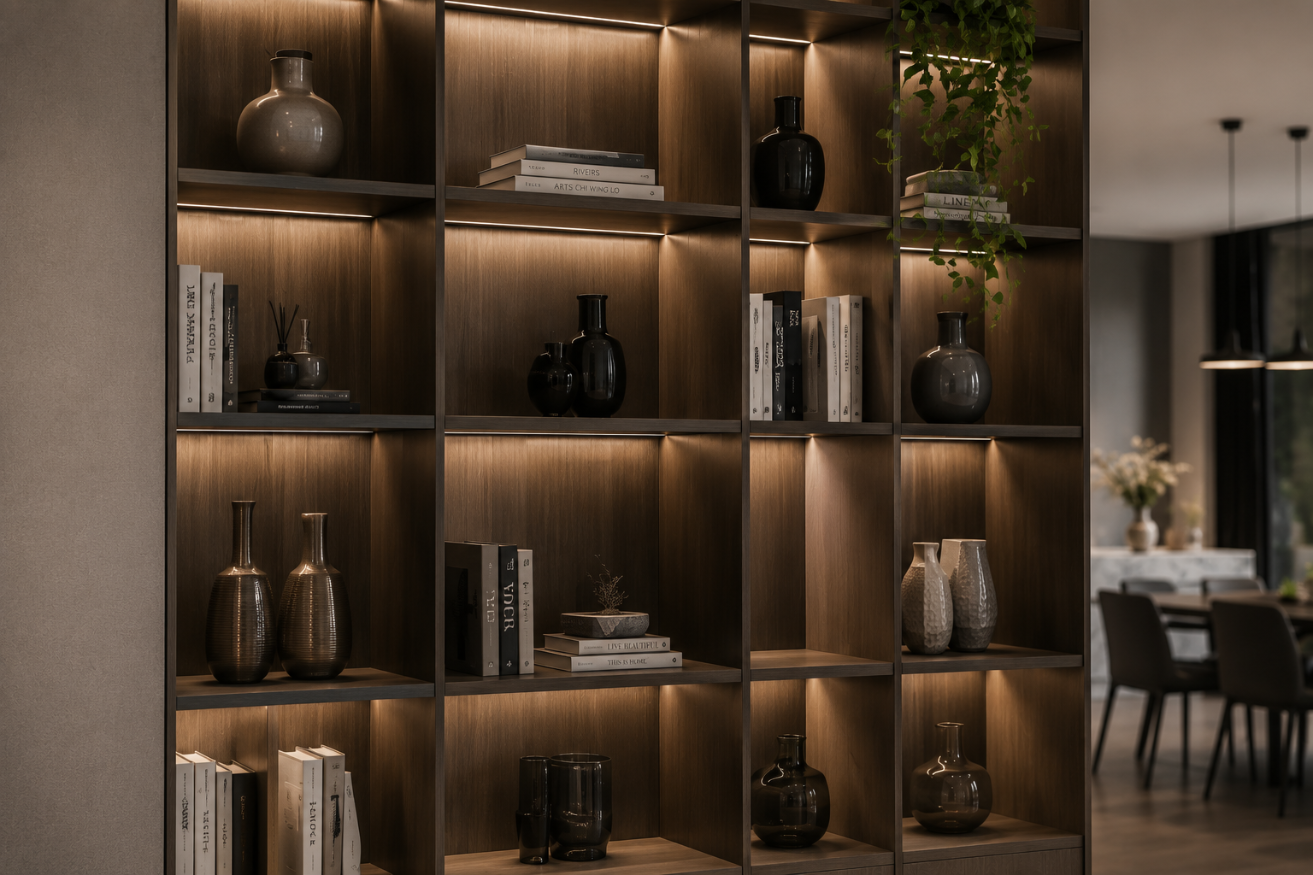
Your home is a collection of your experiences, tastes, and passions. The furniture you choose should be more than just functional; it should help tell your story. Instead of trying to fit your cherished belongings into a pre-made box, you can design a piece that showcases them with intention and style. This is the true beauty of custom design. It allows you to move beyond standard options and create something that is uniquely yours. With custom living room shelving systems, you can design a focal point that complements your aesthetic, whether it’s sleek and modern or warm and eclectic. Let's explore how you can personalize every detail to create a system that is a true reflection of you.
Choosing custom shelving is about finding a solution that feels personal and perfectly suited to your space. It’s a chance to blend form and function, creating a system that not only stores your belongings but also enhances your room’s design. Before you can personalize the details, it helps to understand the foundational styles available. Each type offers a different aesthetic and set of benefits, from space-saving wall units to dramatic floor-to-ceiling libraries. Exploring these main categories is the first step in designing a living room that is both organized and beautifully expressive of your personal style. Let's look at the four primary types of custom shelving to see which one aligns with your vision.
Wall-mounted shelving is a sleek and versatile option that creates a sense of openness in a room. These systems attach directly to the wall, freeing up floor space and giving your decor a light, floating appearance. Think beyond a single floating shelf; custom wall-mounted units can include a combination of shelves, cabinets, and display boxes arranged to fit your specific needs. This style is perfect for showcasing curated collections, from art books to travel souvenirs, without overwhelming the room. It’s an excellent choice for smaller living areas or for anyone who prefers a clean, minimalist aesthetic that keeps the focus on the items being displayed. You can beautify your space with a system that feels both functional and artful.
For a truly dramatic and impactful statement, floor-to-ceiling shelving is unmatched. These substantial units stretch from the ground to the ceiling, maximizing your vertical storage and creating a stunning architectural feature. Often designed as open-shelf library systems, they can turn an entire wall into a sophisticated home for your book collection or prized possessions. This style is also incredibly effective as a room divider in an open-concept home, defining the living area from a dining space or entryway without closing it off completely. A floor-to-ceiling system brings a sense of grandeur and permanence to your living room, making it ideal for homeowners who want to create a lasting and impressive focal point.
If you love the idea of a system that can adapt and change with you, modular shelving is the perfect fit. These units are composed of individual components or sections that you can arrange, reconfigure, and add to over time. This flexibility makes them ideal for anyone whose needs might evolve, whether you're moving to a new home, growing your collection, or simply love to refresh your decor. Modular systems allow you to play with asymmetry, combine open and closed storage, and create a truly one-of-a-kind configuration. They offer the structure of a complete shelving system with the creative freedom to make it your own, ensuring your furniture always feels fresh and perfectly suited to your lifestyle.
Built-in shelving offers the most seamless and integrated look, as it’s designed to appear as part of your home's original architecture. Custom-built to fit a specific nook, alcove, or an entire wall, these systems are tailored precisely to your space and functional needs. Built-ins are perfect for creating a polished and cohesive entertainment center, a cozy library nook around a fireplace, or a sophisticated home bar. Because they are a permanent fixture, they can add significant value to your home. This option provides a high-end, custom-tailored finish that makes your storage feel intentional and completely integrated with your living room design.
This is where the fun really begins. Custom shelving isn’t just about getting the dimensions right; it’s about creating a piece of furniture that is completely, uniquely yours. Think of it as a blank canvas for your living room. You get to decide on every detail, from the foundational materials to the finishing touches that make it truly functional for your lifestyle. By personalizing your shelving, you ensure it not only fits your space perfectly but also reflects your taste and meets your specific needs, whether you’re displaying a lifetime of travel souvenirs or organizing your home entertainment system. Let’s explore the ways you can make a shelving system your own.
The materials you choose will define the entire mood of your shelving system. Do you want something warm and classic or sleek and modern? A rich wood finish brings an organic, timeless feel to a room, grounding the space with natural texture. For a more contemporary or industrial edge, metal frames offer clean lines and a minimalist profile. High-gloss or matte lacquers provide a seamless, polished look that feels incredibly sophisticated and clean. You can even incorporate unexpected elements like leather or glass to add another layer of texture and visual interest. The right materials will make your shelving a true centerpiece in your living room.
Color is one of the most powerful tools in interior design, and your shelving is the perfect place to use it. You can opt for a bold, statement color that turns your unit into a piece of art or choose a subtle, neutral tone that lets your displayed objects shine. Many European designs feature a sophisticated palette of earthy neutrals, like warm grays, deep coffees, and soft beiges, which create a serene and upscale atmosphere. Beyond color, consider the texture. A smooth, glossy finish reflects light and feels modern, while a textured wood grain or a matte surface adds depth and character. These details help you beautify your space and tie the whole room together.
Custom shelving is designed to fit your space exactly, so you never have to compromise. Whether you have a soaring ceiling, a compact nook, or an awkward corner, the unit can be tailored to your room’s specific dimensions. But it’s about more than just height and width. You also get to define the configuration. This means deciding the spacing between shelves, creating asymmetrical layouts for visual interest, or integrating open and closed sections. This flexibility allows you to organize different areas of your home, creating dedicated zones for books, decorative objects, or even a minibar for your eating and entertaining area.
The right features can transform your shelving from simple storage into a highly functional and dynamic part of your home. Imagine integrated LED lighting that casts a warm glow on your favorite art pieces or a built-in desk that creates a discreet home office. You can add sliding panels to hide clutter or closed cabinets to store items you don’t want on display. For media units, hidden outlets and smart wire management are game-changers, keeping all your cords neatly tucked away. These thoughtful additions are what make a custom system from EuroHome a truly long-term investment in your home’s style and functionality.
Your custom shelving shouldn't just hold your things; it should feel like a natural extension of your home's personality. The right design style ensures your new shelving system blends seamlessly with your existing decor, creating a cohesive and intentional look. Think of it as finding the perfect frame for your favorite piece of art. Whether your taste leans toward sleek minimalism or a more eclectic vibe, there’s a shelving style that will feel right at home. Let's explore a few popular design aesthetics to help you find the perfect match for your living room.
If you love clean lines, uncluttered spaces, and functional elegance, a modern or contemporary European style is likely your go-to. This aesthetic is defined by its simplicity, often using materials like glass, metal, and polished wood to create a sleek, sophisticated look. For your custom shelving, think geometric shapes and open-concept designs that allow for both storage and display without overwhelming the room. A floating shelf system or a minimalist floor-to-ceiling unit can perfectly capture this style, providing a chic backdrop for your curated collection of books and decor. These pieces work beautifully with other modern living room furniture to create a harmonious and refined space.
Scandinavian design is all about creating a bright, airy, and functional home. It embraces minimalism by focusing on natural materials, neutral color palettes, and a deep connection to nature. Custom shelving in this style often features light woods like birch or oak and simple, clean lines that enhance the room's sense of openness. The goal is to provide practical storage that feels warm and inviting, not cold or sterile. Consider a modular system in a light finish or simple wall-mounted ledges to display a few cherished items. This approach keeps your space feeling organized and serene, allowing you to beautify your home with thoughtful, personal touches.
For those who appreciate a raw, urban aesthetic, industrial design offers a compelling option. This style celebrates the beauty of unfinished materials, often incorporating exposed metal, reclaimed wood, and vintage-inspired hardware. Custom shelving in an industrial style can become a powerful focal point in your living room. Imagine shelves made from dark steel pipes and thick, rustic wood planks that add instant character and a touch of history. This look is perfect for showcasing everything from a record collection to unique art pieces. It pairs well with leather sofas, metal-framed tables, and other pieces that share a rugged yet refined quality, often found in modern dining collections.
If your style is more about personal expression and telling a story, a bohemian or eclectic approach might be the perfect fit. This design is a vibrant mix of colors, patterns, and textures gathered from different cultures and eras. With bohemian style, your shelving becomes a canvas for your personality. Don't be afraid to mix and match materials or choose an asymmetrical configuration. The shelves are meant to be filled with an abundant collection of your favorite books, trailing plants, travel souvenirs, and colorful textiles. It’s a warm, inviting, and deeply personal look that makes a house truly feel like a home.
Selecting the right shelving system is about finding that perfect intersection of form and function. It’s more than just a place to put your things; it’s a feature that can define a room, display your personality, and bring a sense of order to your home. Before you fall in love with a specific design, it’s helpful to think through a few practical considerations. By balancing your storage requirements with your aesthetic vision, you can find a solution that feels both intentional and effortlessly stylish.
Think of your shelving as a key piece of furniture, just like a sofa or a dining table. It needs to work with the scale of your room, complement your existing decor, and serve its primary purpose without creating clutter. A well-chosen system can anchor a living room, create a stunning focal point, or even cleverly divide an open-plan space. Taking the time to plan ensures your final choice will not only look beautiful but will also make your life easier and your space more enjoyable. Let’s walk through the four key steps to choosing the perfect custom shelving for your living room.
First, take inventory of what you plan to store. Are you an avid reader with a library of books, a collector of art and sculptures, or someone who needs a home for a media center and vinyl records? Your answer will guide you toward the right system. For heavy items like books, you’ll need sturdy, deep shelves. For displaying decorative objects, you might prefer a lighter, more open design with varied shelf heights. Consider a mix of open shelves for display and closed cabinets to hide away clutter like cables, games, and other everyday items. This creates a clean look while keeping your favorite pieces, like vases and sculptures from our Beautify collection, on full display.
Your shelving should feel like a natural extension of your home’s aesthetic. If your space is modern and minimalist, a sleek, wall-mounted system in a neutral finish will blend in seamlessly. For a more traditional or eclectic room, a freestanding wood unit can add warmth and character. Think about how the shelving will interact with your other furniture. A custom system can even act as a sophisticated room divider in an open-concept space, creating distinct zones without closing off the area. Browse our living room furniture to see how different shelving styles pair with sofas, chairs, and tables to create a cohesive look.
This step is crucial, so grab your tape measure. Accurately measuring your wall space will prevent headaches later on. Measure the height and width of the area where the shelving will go, but don't stop there. Note the location of windows, doors, light switches, and outlets. Think about depth, too. A unit that’s too deep can make a room feel cramped, while one that’s too shallow may not hold your items securely. With custom shelving, you have the flexibility to design a unit that fits your space perfectly, working around any architectural quirks. This precision ensures the final piece looks truly built-in and intentional.
Look at the big picture. How will the shelving unit affect the flow of traffic in your room? It should enhance the space, not become an obstacle. The scale of the unit is just as important. A massive floor-to-ceiling system can be a stunning focal point in a large room with high ceilings, but it might overwhelm a smaller space. Conversely, a unit that’s too small can look lost and insignificant. A great shelving system should evolve with you, and a thoughtful layout plan makes that possible. If you're unsure how to get the scale just right, our interior design services can help you visualize the perfect solution for your home's unique layout.
Once your custom shelving is installed, you get to the best part: making it your own. Styling is your opportunity to infuse the piece with personality, turning a functional storage solution into a stunning focal point. Facing a set of empty shelves can feel a bit like staring at a blank canvas, but you don’t need to be a professional designer to create a beautiful display. The key is to think of it as curating a collection of items that you love and that tell your unique story.
A well-styled shelf is more than just storage; it’s a reflection of who you are, what you value, and where you’ve been. It’s a delicate balance between showcasing your favorite things and maintaining a sense of order and calm. By following a few simple principles, you can arrange your objects in a way that feels both personal and polished, transforming your shelving from a simple piece of furniture into an integral part of your home's design. Let’s walk through how to create visual balance, play with textures, and use negative space to make your shelving system a true reflection of your style.
The first step to a beautifully styled shelf is creating a sense of visual rhythm. You can achieve this by thoughtfully varying the height and scale of the objects you display. Start by placing your largest items, like tall vases, sculptural objects, or vertically stacked art books. These act as anchors for your design. Then, fill in the surrounding areas with smaller pieces to create a dynamic flow that guides the eye across the unit.
Grouping items in odd numbers, like threes or fives, is a classic design trick that creates a more natural and appealing arrangement. For example, you could place a small plant, a candle, and a framed photo together. Remember that your shelving should be flexible. The best systems are designed to evolve with your living space, allowing you to add, remove, or rearrange shelves and objects as your needs and collection change over time.
This is where you can truly bring your shelving to life. A display filled with objects of the same material can feel flat, so be sure to introduce a variety of textures. Contrast smooth ceramics with the rough grain of a wooden bowl, or pair a sleek metal sculpture with a stack of fabric-bound books. These tactile differences add depth, warmth, and interest to your arrangement.
Don’t forget to incorporate items that are meaningful to you. This is your chance to display travel souvenirs, family heirlooms, or favorite photographs that tell your personal story. You can also enhance your display with functional features like integrated LED lighting to highlight specific pieces or closed cabinets to neatly tuck away less decorative items. These thoughtful details are what beautify your home and make your shelving uniquely yours.
One of the most important, and often overlooked, aspects of styling is negative space. It’s tempting to fill every available inch of your shelves, but resist the urge. Leaving some empty space around your objects allows them to stand out and be appreciated individually. It prevents the overall look from feeling cluttered and chaotic, creating a more serene and sophisticated atmosphere.
Think of your shelving as a gallery for your most cherished items, not just a place for storage. A curated approach ensures your common areas remain tidy and stylish, allowing the quality of your furniture and the beauty of your chosen objects to take center stage. This "less is more" philosophy is a hallmark of great design and ensures your custom shelving system always looks intentional and elegant.
Understanding the cost of a custom shelving system helps you plan your project and set a realistic budget. The price can vary widely based on size, materials, complexity, and special features. Think of it as an investment in your home’s functionality and aesthetic. The final cost reflects the level of personalization and craftsmanship you choose. From straightforward wall units to elaborate, room-defining systems, there’s a solution for different budgets.
Here’s a breakdown of what you can expect at different price points.
When we talk about "entry-level" in custom shelving, we're referring to high-quality, made-to-order pieces that are more accessible. These systems offer a taste of customization without the price tag of a fully bespoke project. You can expect designs to start around the $2,000 mark for a basic, well-crafted setup. At this tier, you’ll likely work with standard sizes and a curated selection of durable materials and finishes. It’s the perfect way to get a system that fits your space better than any off-the-shelf option while keeping the design process simple and streamlined.
This is where you get to have more fun with personalization. Mid-range systems offer a broader choice of materials, finishes, and configurations. You can design a piece that perfectly suits your lifestyle, whether you need custom entertainment centers, a dedicated home office workspace, or elegant bookshelves. These systems often involve more detailed design work and can integrate features like closed cabinetry or specialized compartments. This tier balances extensive customization with a moderate budget, giving you a truly personal piece that organizes your entire living area.
For those who want a show-stopping centerpiece, high-end and luxury shelving offers limitless possibilities. These are fully bespoke systems, designed and built to your exact specifications. Think floor-to-ceiling library walls, sophisticated open-shelf room dividers, or units crafted from premium woods and metals. At this level, you can work with a designer to create a one-of-a-kind piece of furniture that functions as architecture within your home. It’s an opportunity to display your favorite art and personal treasures in a setting that is just as beautiful.
Absolutely. Unlike mass-produced furniture that might not survive your next move, a custom shelving system is a lasting addition to your home. It’s designed to fit your space perfectly and adapt as your needs change over time. This flexibility makes it a smart, long-term solution for home organization. A well-designed system not only solves your storage problems but also adds significant aesthetic and financial value to your property. It’s a functional upgrade that enhances your daily life while reflecting your personal style and commitment to quality.
Bringing a custom shelving system into your home is a creative and collaborative journey. It’s more than just buying a piece of furniture; it’s about co-creating a solution that perfectly fits your space and reflects your personal style. While the specifics can vary between designers and manufacturers, the process generally follows a clear path from initial idea to final installation. Understanding these stages helps you know what to expect and allows you to fully engage in the fun parts, like choosing materials and finalizing the design.
The process is designed to be thorough, ensuring the final product meets your functional needs and aesthetic vision. It starts with a simple conversation and ends with a beautifully integrated feature in your home. We’ll walk through the four main steps: the initial consultation, design and material selection, production and delivery, and finally, installation. Think of it as a partnership where your vision is the guide and the designer’s expertise is the map to get you there. This structured approach removes the guesswork and makes creating your dream shelving system a seamless and enjoyable experience.
The first step is a conversation with a design consultant. This initial meeting is all about discovery. You’ll discuss your vision, your storage needs, and the specific challenges of your space. Are you looking to display a curated collection of art books, or do you need to cleverly hide away electronics and everyday clutter? A designer will help you organize your living room with custom solutions like media units, floating shelves, or integrated cabinets. The goal is to find a balance between style and function, creating a tidy and sophisticated common area. Come prepared with measurements, photos of your space, and inspiration images to make this session as productive as possible.
Once your needs are clear, the creative work begins. In this phase, you’ll work with the designer to refine the concept into a detailed plan. This is where you get to personalize every aspect of your shelving unit. You can choose from a wide range of premium materials, from rich woods to sleek metals and lacquered finishes, ensuring the final piece complements your home’s style. These custom shelving units are made to fit your space exactly. You can also select colors and textures that will beautify your home and integrate seamlessly with your existing decor. This collaborative design process ensures the final product is truly one-of-a-kind.
After you approve the final design, the plans are sent to the workshop where skilled artisans begin crafting your shelving system. Most high-quality custom furniture is made to order, which means your piece is built specifically for you. This dedication to craftsmanship ensures a superior level of quality and attention to detail that you won’t find in mass-produced items. Production times can vary depending on the complexity of the design and the materials used. Your designer will provide a timeline so you know when to expect delivery. This waiting period is when your vision is carefully brought to life, resulting in a piece built to last for years.
The final step is bringing the shelving into your home. Depending on the system’s complexity, you may have a choice between professional and DIY installation. For intricate, floor-to-ceiling units or systems requiring precise wall mounting, professional installation is highly recommended. A skilled team will ensure everything is assembled correctly, securely mounted, and perfectly aligned for a flawless finish. For simpler, modular systems, you might have the option to assemble them yourself with provided instructions. Consider the scale of your project and your own comfort level to decide which path is right for you.
What if my storage needs change in a few years? Is custom shelving still a good idea? This is a great question, and it’s a common concern when you’re investing in a quality piece of furniture. The beauty of custom shelving is that it’s designed with longevity in mind. If you anticipate your needs evolving, a modular system is a fantastic choice because you can reconfigure it or add new components over time. Even with more permanent styles like built-ins, the initial design process focuses on creating a versatile solution that can adapt from holding books to displaying art or organizing a media collection as your life changes.
I'm worried about making the wrong design choice. How can I be sure the final piece will fit my home's style? You don't have to make these decisions alone. The custom process is collaborative for this very reason. During the design consultation, you'll work with an expert who is trained to see the potential in your space and understand your personal aesthetic. They help translate your ideas, inspiration photos, and functional needs into a cohesive design that complements your existing furniture and architecture. This partnership ensures the final product feels like it was always meant to be there.
How long does the entire process for custom shelving usually take from start to finish? The timeline can vary quite a bit depending on the complexity of your design and the materials you choose. Generally, you can expect the process to take several weeks. This includes the initial consultation and design phase, the production period where artisans craft your piece, and the final delivery and installation. Your design consultant will give you a more specific timeline once the project details are finalized, so you’ll always know what to expect.
Can custom shelving actually work in a small living room, or will it just feel crowded? Custom shelving is often the perfect solution for a small living room. Unlike standard furniture that can be bulky and ill-fitting, a custom system is made to your exact dimensions. Wall-mounted or floating shelves are excellent for small spaces because they keep the floor clear, creating a sense of openness. A floor-to-ceiling unit can also work wonders by drawing the eye upward and maximizing vertical storage, which makes the entire room feel larger and more organized.
What's the first step I should take if I'm interested but not sure where to begin? A great first step is to simply gather some inspiration. Save photos of shelving styles you love and think about what you’d want to store or display. It also helps to take some rough measurements of the wall or area you have in mind. Once you have a general idea, the next move is to schedule an initial consultation. Think of it as a simple, exploratory conversation to discuss your vision and see what possibilities exist for your space.

