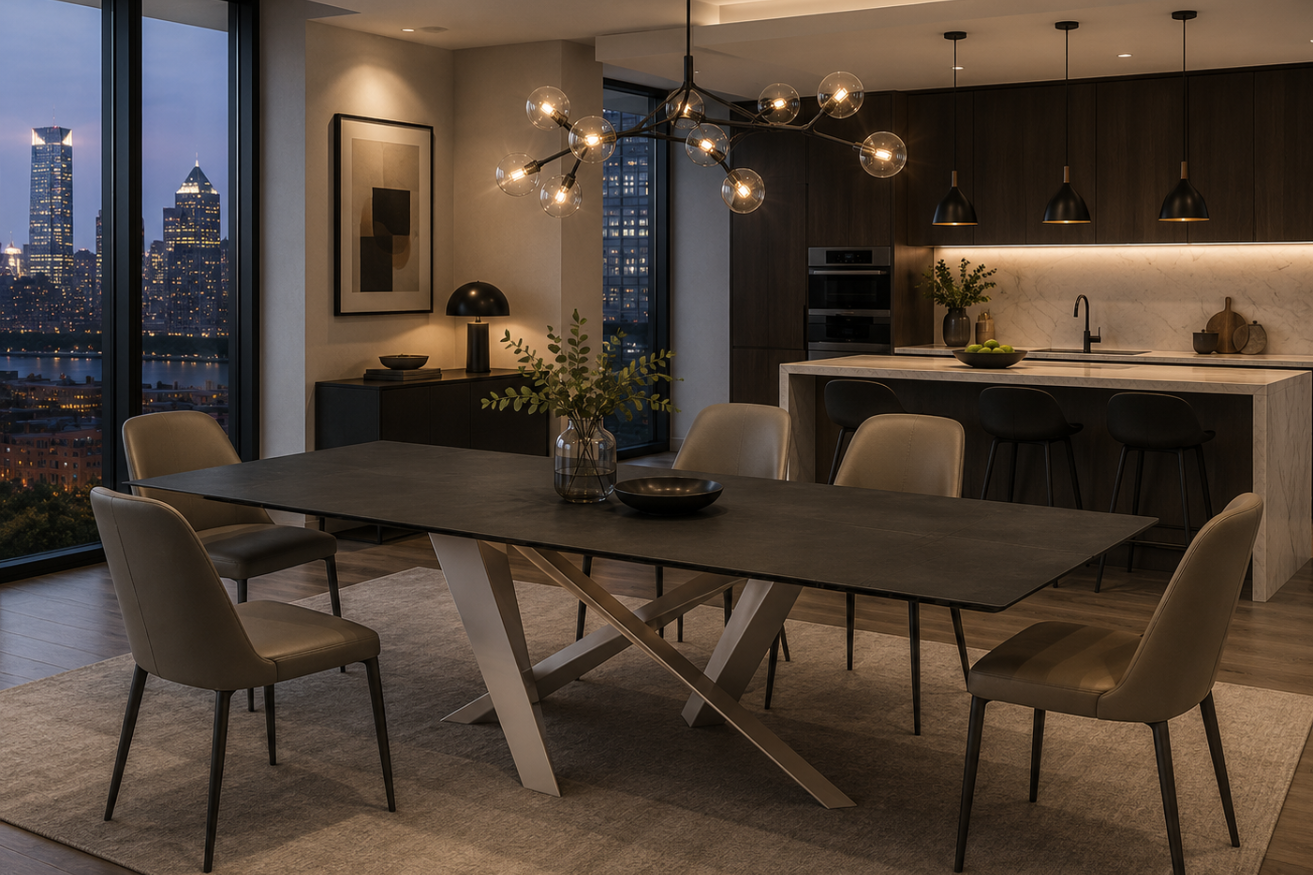
The wrong dining fixture can ruin the mood of a carefully planned dinner party in minutes.
European dining room lighting combines Italian craftsmanship, Scandinavian minimalism, and modern functionality. To choose the right fixture, balance your table size with the right diameter, ceiling height with the correct drop, and room style with layered dimmable lighting. Explore our curated options in the EuroHome Eating Collection.
Finding the ideal balance of beauty and light for your home can feel overwhelming with so many unique designs. We will guide you through the process of selecting and placing your new fixtures. Our guide starts with Understanding European Dining Room Lighting Styles, where we break down the main design schools.
Selecting the right European dining room lighting starts with knowing the main regional styles. Each school of design has its own focus, from clean shapes to warm light. By learning these design schools, you can find a fixture that fits your space and matches your home design. The right choice will elevate the look of your room while providing helpful illumination during meals.
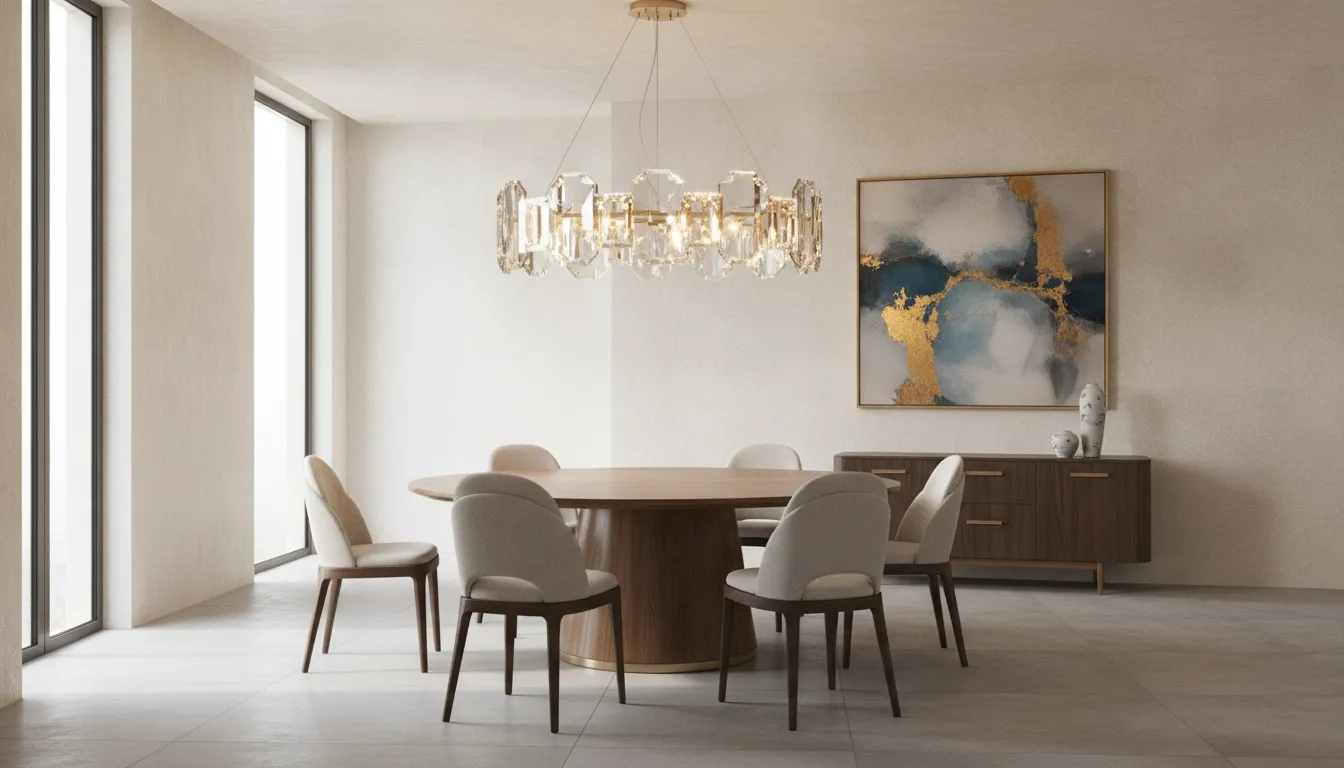
Modern Italian design mixes clean shapes with bold art. Top brands like Artemide and Flos lead this school with simple lines and sculptural forms. These fixtures do more than light up a room, they act as focal points over your dining table. If you want a bold look, a thin metal pendant or a geometric fixture from the Eating Collection will match a modern dining room well. These designs use build quality and raw form to make a strong statement in any home.
Italian fixtures often use advanced engineering to hide wires and supports. This makes the light source look as if it is floating in mid-air. Designers in Milan and Venice focus on how a lamp looks both when it is on and when it is off. During the day, the fixture acts as a modern sculpture. At night, it casts focused light that highlights your food and tableware without spilling harsh glare into the eyes of your guests.
Danish and Swedish lighting focuses on comfort, simple utility, and soft light. Brands like Louis Poulsen and Muuto design fixtures that prevent glare and spread light evenly. They often use natural wood, soft paper, or painted metal to create a cozy feel. This style works well in casual dining rooms or open spaces. The soft glow makes meals feel warm and welcoming, which is the heart of northern design.
The Scandinavian approach relies on layered shades to block the direct view of the bulb. This design trick creates a soft, ambient glow that warms up the entire room. These fixtures pair beautifully with light wood dining tables and simple, functional chairs. By focusing on natural materials and diffused light, these lamps help create a relaxed space where family and guests want to linger long after the meal is over.
French dining lighting brings classic style and rich detail to your home. These fixtures often feature glass crystals, bronze frames, and detailed metal scrolls. They draw the eye up and add drama to a formal dining room. While they look traditional, they pair well with both old and new tables. A classic French light adds a sense of history and scale to your meals.
German design follows the Bauhaus rule that form follows function. These fixtures use basic geometric shapes like spheres, tubes, and flat discs. They focus on strong construction, useful details, and clear purpose. German lights look neat and work perfectly, with no extra decoration. They are great for people who love clean layouts, industrial details, and pure utility.
The materials you choose define the final look of your dining room lighting. Each option brings a different texture and glow:
Choosing the right size for your European dining room lighting is key to a balanced space. A fixture that is too small gets lost in the room, while an oversized piece can overwhelm your dining table. By using simple design formulas, you can find the perfect scale for your home.
To find the correct fixture width, look to your dining table first. Your chandelier or pendant diameter should measure between one-half and two-thirds of the total width of your table. For example, if you have a 42-inch-wide table, your lighting fixture should be 21 to 28 inches in diameter. This proportion ensures the light matches the table below it without extending past the edges.
For long tables that span 84 inches or more, a single light may not offer enough coverage. In these spaces, using two smaller chandeliers placed in thirds across the length works better than one large piece. This layout spreads light evenly across your dining tables and keeps the look balanced. If you use a single linear fixture instead, aim for a length between 24 and 36 inches on a 72-inch table.
You can also use your room dimensions to find the right fixture size. Follow these simple steps:
The height of your light is just as important as its width. Hang your chandelier or pendant so the bottom of the fixture sits 30 to 34 inches above your tabletop. This standard height works best for rooms with eight-foot to nine-foot ceilings. It keeps the light out of your line of sight while dining but still highlights your table setting.
For tall ceilings, you must adjust this height. Add three inches of drop height for every additional foot of ceiling height above nine feet. No matter your ceiling height, never hang a fixture lower than six feet from the floor to avoid blocks in your walkway. Following these height guidelines is a standard practice recommended by the U.S. Department of Energy to ensure safe and functional home lighting systems.
The shape of your tabletop dictates how you position your European dining room lighting. Selecting the correct layout ensures that the light spreads evenly across the entire surface. This placement supports both formal dinners and casual family meals while highlighting your furniture design.
Round tables have natural symmetry that benefits from a centralized focal point. You should center a single round or square chandelier precisely over the table midpoint to keep the space balanced. This layout creates a unified look that complements the curves of the furniture underneath.
When selecting your fixture, the diameter should follow one-half to two-thirds of the table width. Keep the drop height between thirty and thirty-four inches from the tabletop to the bottom of the frame for standard rooms. Make sure the body of the light does not extend past the outer edge of the wood or glass. This clean layout works beautifully when centering a fixture above EuroHome round dining tables and matching dining chairs.
Longer surfaces require an elongated source of light to cover the entire seating area. You can use linear suspensions or multi-light fixtures that span one-third to one-half of the total table length. Linear fixtures offer even illumination that prevents dark spots at the ends of your table.
Another popular approach for rectangular tables is a multi-pendant arrangement. Hang two or three individual pendant lights in a row along the table center line, spaced 24 to 30 inches apart. This creates a modern, sculptural look while providing focused task lighting over each seating zone. Single drum pendants also work well on shorter rectangular tables, provided the diameter stays proportional to the table width.
For large tables that measure eighty-four inches or more, use two smaller chandeliers placed at the one-third points of the table length. This dual-fixture setup balances the visual weight of long extendable models and avoids the awkward proportions of a single oversized piece. Keep the bottom of your lights at least six feet from the floor to protect sightlines. According to interior design standards, you should add three inches of drop height for every foot of ceiling height above nine feet.
A critical principle in both round and rectangular layouts is visual weight. A chandelier that extends past the table edge reads as visually unbalanced, no matter how beautiful the fixture. Always measure the table width first and size the fixture so its outermost edge stays within the table footprint. For EuroHome dining tables that include matching leaves and extensions, consider choosing a multi-pendant or linear suspension fixture that adapts with the table's variable dimensions.
Selecting the right fixture for your European dining room lighting requires a look at the continent's most respected design houses. These manufacturers combine historic techniques with modern technology to create stunning visual focal points. Each brand brings a unique philosophy to the dining space, from minimalist metal shapes to hand-blown glass sculptures.
Italian design leads the world in architectural and sculptural dining room fixtures. Founded in 1960, Artemide is famous for its iconic modern silhouettes and technical innovation. They collaborate with major global designers like Foster plus Partners and Carlotta de Bevilacqua to create functional masterpieces. Their famous Tolomeo and Callimaco fixtures show how Italian design blends clean lines with daily utility. To explore how these modern fixtures sit above high-end furniture, you can browse contemporary dining tables that match their minimalist style.
Flos is another Italian powerhouse known for its bold, sculptural pendants and chandeliers. Flos fixtures often serve as the main art piece in a room. Featuring famous designs like the Arco floor lamp and modern pendants by Achille Castiglioni and Michael Anastassiades. For a touch of classic luxury, Barovier and Toso has produced hand-blown Murano glass in Italy since 1295. Their craftsmen use ancient techniques to inject gold leaf and crystal into hand-blown glass, creating custom chandeliers that diffuse light with unmatched elegance. You can read about these historic glass traditions on educational sites like archivesportaleurope.net to see how European guild systems preserved these decorative arts.
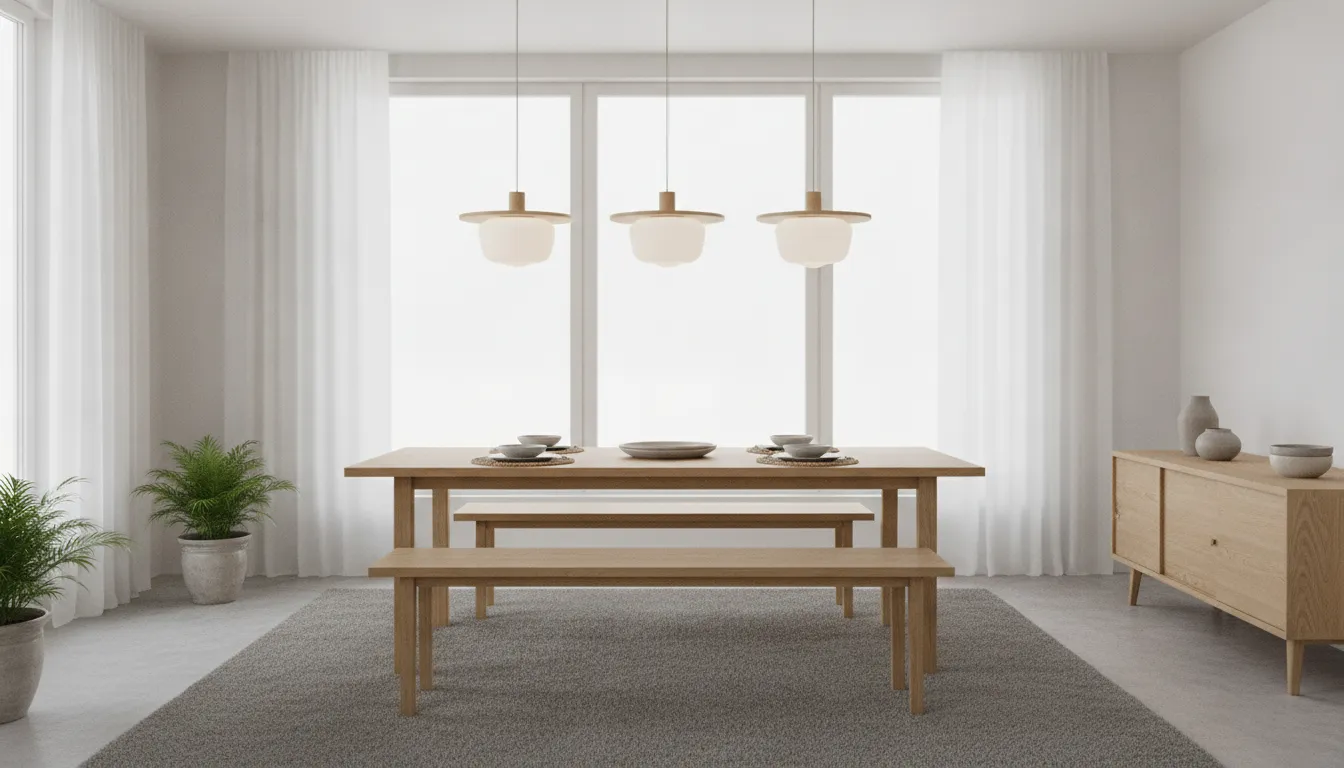
Northern European brands focus on a different design philosophy that prizes simplicity, natural warmth, and functional beauty. Danish brand Louis Poulsen is famous for its PH series designed by Poul Henningsen. This system uses a unique three-shade structure to distribute light downward while preventing glare, creating a soft and warm glow over the dinner table. You can study these glare-free lighting systems through technical design resources on loc.gov to see how early twentieth-century optics shaped modern home fixtures.
For a more playful and contemporary Nordic look, Muuto offers modern Danish designs with colorful finishes. Muuto focus on affordable, high-quality pendants that bring a fresh perspective to casual dining spaces. Their fixtures use clean shapes and soft materials like felt or composite plastics to complement cozy, modern homes.
Once you select a brand, matching the metal or glass finish to your dining room decor is key to creating a balanced look. Brushed brass finishes add rich metallic warmth that pairs beautifully with mid-century modern furniture and warm wood. For high-contrast modern rooms, matte black finishes offer a clean, industrial look that highlights the shape of the lamp. Chrome finishes provide a cool, reflective mirror surface that fits minimalist and ultra-modern spaces.
The choice of shade material also changes how light fills your dining room. Opal glass diffuses bulb glare into a soft, even glow that is ideal for cozy Scandinavian spaces. Classic fabric shades soften the light while helping with room acoustics in large spaces with hard floors. For pure luxury, hand-blown Murano glass catches and bends the light, casting beautiful patterns across the ceiling and walls.
Selecting the right fixture shape is a key step in planning your European dining room lighting. The ideal option must match your table shape and room use. You should also consider how much light the space needs. The right balance helps create a comfortable room for family meals and guest entertaining.
Chandeliers are classic statement pieces that bring luxury to any home. They work best in formal dining spaces with ceilings that are at least eight feet high. These large fixtures give off wide, soft light to fill the entire room. They are the top choice when you want a single central focal point over a round or square dining table.
Pendant lights offer a versatile way to light up casual dining rooms and open eat-in spaces. These fixtures hang from single cords or chains to give focused, downward light. You can use single large pendants or group them in a line. A row of smaller pendants works well over long tables. To view quality options, you can browse the curated collection of designer lamps from Italy and across Europe.
Multi-light linear suspension fixtures are ideal for modern rectangular tables. These modern systems feature several light sources on a single long frame. They stretch across one-third to one-half of the table length to provide even light across the entire surface. This spread of light prevents dark spots on long dining surfaces. The sleek style pairs well with clean, minimalist dining sets.
The table below compares these lighting types to help you find the best option for your dining room. It details room match, ceiling needs, table shapes, and light direction.
| Fixture Type | Best for Room Style | Ceiling Height | Table Shape Match | Light Direction | Aesthetic |
|---|---|---|---|---|---|
| Chandelier | Formal dining rooms | 8 feet or higher | Round or square | Wide and diffused | Classic and grand |
| Pendant Light | Casual or open spaces | Any height | Round or short rectangular | Focused and downward | Versatile and sleek |
| Multi-Light Linear | Modern dining areas | 8 feet or higher | Long rectangular | Even and downward | Modern and clean |
| Drum Shade | Transitional spaces | Any height | Round or rectangular | Soft and muted | Warm and simple |
No single fixture should do all the work in your dining room. A great design uses layered lighting to balance your main overhead source. You can pair a beautiful central chandelier with accent pieces like wall sconces or buffet lamps. This mix lets you change the mood of the room. You should also add dimmer switches. Dimmers let you change the light from bright for dinner prep to soft for evening drinks. This setup helps you get the most out of your high-quality fixture.
A well-planned space relies on more than a single light source. To make your room both useful and inviting, you must use layered lighting. This design approach mixes three types of light to create depth and warmth. Ambient light gives general warmth. Task light focuses on specific jobs. Accent light highlights key features of the room. By using these layers together, you can easily shift the mood of your room. You can transition from a bright family breakfast to an intimate evening dinner party.
The first layer is ambient light, which provides the overall illumination for the space. In a European dining room lighting scheme, this typically comes from an overhead central fixture. You might choose a large chandelier or a set of linear pendants. The second layer is task light, which focuses directly on the tabletop. This layer helps you see your food, read a menu, or converse. The final layer is accent light, which adds drama. It draws the eye to artwork, architectural details, or a sideboard. For this layer, you can use sleek wall sconces. You can also place designer lamps on a buffet table to create soft pockets of light.
Dimmer switches are essential tools for any layered setup. They let you transition from bright dinner prep to a soft evening ambiance. Being able to control the brightness of each layer separately is the secret to successful dining room design. When you dim the main overhead light and keep side sconces or buffet lamps warm, the room feels cozy and intimate. For the best results, use dimmable LED bulbs with a warm color temperature. A range between 2700K and 3000K works best to mimic the inviting glow of candlelight.
Formal dining rooms benefit from a highly structured, classic approach to lighting. In these traditional spaces, a grand statement chandelier acts as the main visual focal point over the table. To support this central piece, you should install matching wall sconces on the side walls to spread light evenly. These wall lights reduce shadows and add warmth. Placing dimmable accent lights inside a china cabinet or glass hutch can also showcase your fine dinnerware. This multi-layered layout makes large rooms feel balanced, elegant, and grand.
Casual dining rooms and eat-in kitchens call for simpler profiles and a more relaxed design. Instead of a single heavy fixture, casual spaces often use linear pendants, simple drum fixtures, or low-profile dome lights. These fixtures are frequently made from natural materials like wood, woven fabrics, or matte ceramics to match a relaxed lifestyle. You can also pair these casual table lights with comfortable stools at a nearby counter. This layout uses small pendant lights to tie the entire eating area together.
Different European design schools approach layered lighting with distinct philosophies. For example, Italian design often focuses on dramatic accent lighting. It uses sleek, sculptural fixtures to cast artful shadows on the walls. In contrast, Scandinavian design prioritizes warm ambient light to counter long, dark winters. This Nordic style relies on clever multi-shade pendants. These fixtures diffuse light downward and outward, ensuring the bulb is never visible to people sitting at the table. Blending these European styles allows you to customize the light in your home for both beauty and daily comfort.
Your chandelier diameter should equal one-half to two-thirds of your table width. For a 42-inch-wide table, choose a fixture that is 21 to 28 inches across. You can also add your room length and width in feet and use that number in inches as a minimum diameter. Cross-check both formulas and choose the larger result.
Hang your chandelier or pendant so the bottom sits 30 to 34 inches above the tabletop for standard eight-to-nine-foot ceilings. For taller ceilings, add three inches for each extra foot of height. Never hang a fixture lower than six feet from the floor.
For long rectangular tables, a linear chandelier should span one-third to one-half of the table length. If you prefer pendants, hang two or three spaced 24 to 30 inches apart along the center line. For tables 84 inches or longer, two smaller chandeliers work better than one oversized piece.
Warm white LEDs between 2700K and 3000K are the best choice for dining rooms. This range mimics the soft glow of candlelight and creates a welcoming atmosphere for meals. Avoid cool white or daylight bulbs above 4000K, which feel harsh over a dining table.
Yes, mixing styles can create a dynamic space. A classic Italian chandelier pairs well with Scandinavian wall sconces or a German Bauhaus floor lamp. The key is maintaining a consistent finish or color palette across mixed fixtures.
Yes, a dimmer switch is highly recommended. It allows you to transition from bright task lighting for meal prep to a soft, intimate glow for dinner parties. Use dimmable LED bulbs with a warm color temperature for the best results.
Space pendants 24 to 30 inches apart and hang them 30 to 36 inches above the counter. Use an odd number of pendants for visual balance. Coordinate the finish with your dining room fixture for a seamless open-plan look.
Setting up your design plan today prevents costly installation mistakes and lets you enjoy a beautiful, welcoming home for your next family dinner. We make it simple to find European lights that match your personal style, table size, and budget.
Schedule a design consultation with EuroHome to build your ideal dining room layout today.

