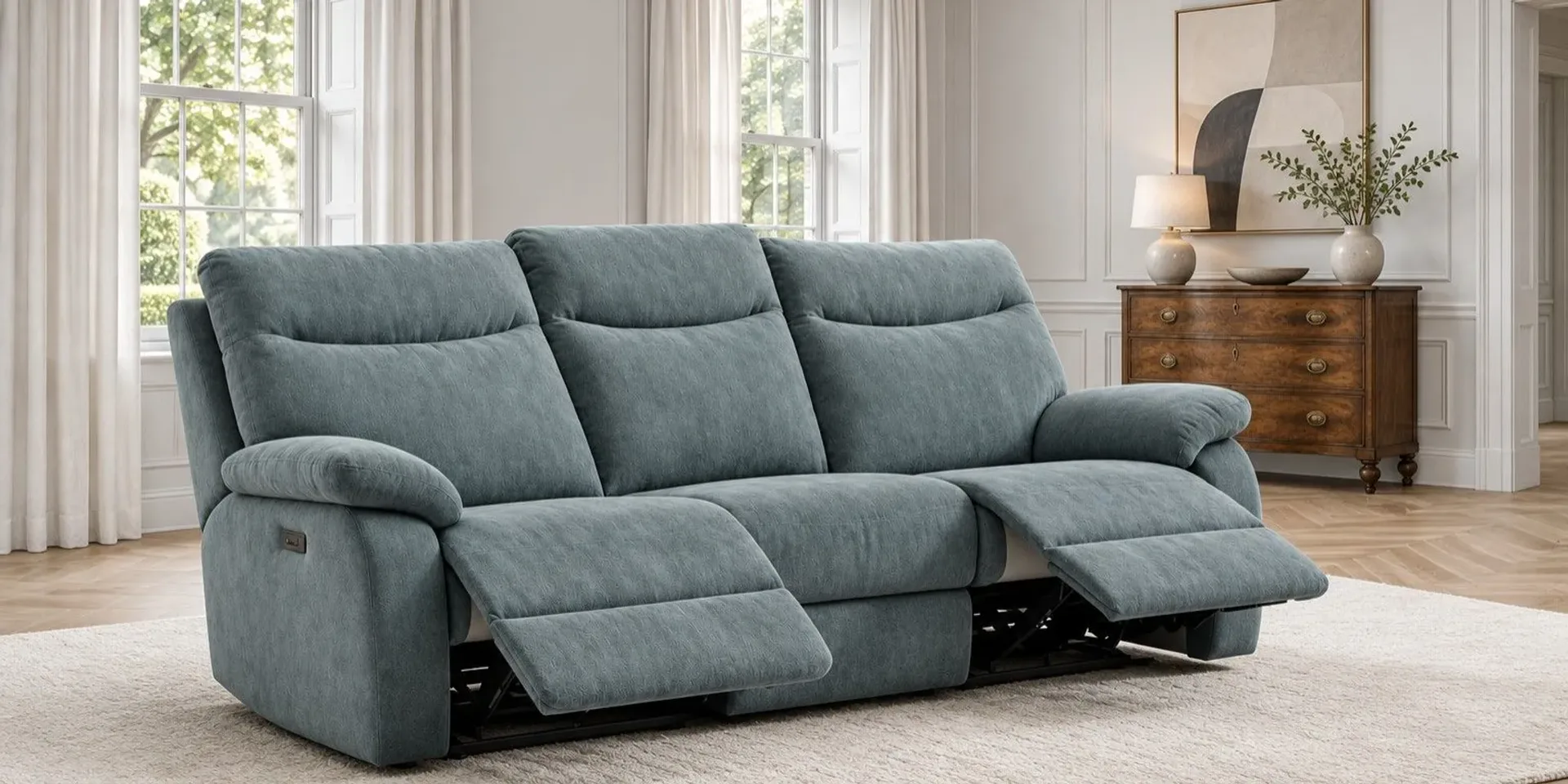
Modern furniture in traditional home rooms works when the house stays in charge. Crown molding, a fireplace, and older windows already give the room a voice. A low European sofa, a clean dining table, or a simple bed can sit inside that voice without turning the room into a showroom. The fit comes from contrast, scale, and one warm material, not from matching every leg and finish.
Call (610) 477-7760 to plan the mix
Start with what you cannot move. Trim width, window height, floor tone, and the fireplace or stair set the character before any new piece arrives. The National Park Service, in Preservation Brief 17, treats shape, openings, and trim as the visual character of an older building. The same idea helps at home. Read the room first, then choose furniture that answers it.
If the house is the host, modern furniture is the guest. A guest should be clear and few. An even split between carved traditional pieces and spare modern ones often looks undecided. Keep most of the room in the language the house already speaks. Let one or two current pieces carry the new idea.
That is different from copying a period. You do not need a wing chair because the house is old. You need a chair whose height, color, and comfort respect the room and the way you sit. Made-to-order European seating is useful here because the size and finish can follow the room instead of a catalog photo.
Walk the room once and write down five things:
Those notes stop a beautiful sofa from landing in the wrong scale. They also tell you which modern piece should be the accent and which should stay quiet.
Contrast is what makes modern furniture in traditional home rooms look intentional. The reliable version is simple. Keep case goods closer to the house, and let seating carry the newer line. A wood sideboard can sit under old trim while a low sofa faces it. An older dining table can take clean upholstered chairs. Two sofas from different eras in the same seat group rarely do.
Mix across categories, not within the same job. One coffee table language, one dining-chair language, one bed language. If every object argues, the room feels collected by accident. If only the seating changes era, the eye understands the point.
Color does the same work. Traditional rooms often carry cream, walnut, brass, and a deep green or blue in the architecture. A modern piece in warm grey, cognac leather, or soft ivory can join that set. A cold bright white against yellowed trim is the contrast that fails. It reads as a mismatch of age, not as a design choice.
Use one newer move per room, then stop:
If you want a second accent, make it smaller. A lamp, a tray, or a single chair is enough. A second large silhouette usually tips the room into a split personality.
Traditional rooms are often taller and more broken up than a new open plan. A sofa that looks light in a loft can look stranded under a nine-foot ceiling. The fix is proportion, not ornament. Choose a back height that relates to the window stool or the chair rail. Leave the mantel or the largest window as the tallest thing on that wall.
Depth matters as much as height. Older living rooms can be narrower than they look in photos. Measure the path around the seat, not just the wall length. A deep sectional that blocks the fireplace or the door makes the modern piece feel rude, even if the fabric is beautiful. A shallower sofa with a real seat can feel more generous because people can still move.
Legs and visual weight need the same check. Hairpin legs under heavy crown can look temporary. A plinth, a recessed base, or a slim metal leg in the room's metal tone usually sits better. The piece should look as if it could stay, not as if it is visiting for a season.
Made-to-order sizing earns its place on these three numbers. A stock depth that misses the path will never be saved by a nicer fabric.
A mixed room needs a through-line. Pick one warm material and repeat it in a quiet way. Walnut, oak, cognac leather, unlacquered brass, or a wool in the trim color will do. The repeat can be small. A wood plinth on the sofa, a leather pull, and a lamp base in the same family are enough to join a new seat to an old room.
Do not match every wood. Floors, doors, and new furniture almost never share one stain, and forcing them looks staged. Aim for a family. If the floor is golden oak, a cooler walnut table can still work when a brass lamp or a honey textile sits between them. The eye needs a bridge, not a twin.
Texture is the other half of warmth. Traditional homes feel cold when every new surface is glossy and flat. A woven fabric, a honed stone top, or a leather that will mark with use gives the modern piece a life. That is the cozy part people worry will disappear. European modern furniture can be soft. The line is clean. The hand-feel does not have to be.
Three repeats is a thread. Six repeats is a theme. Themes date faster, and they fight the house.
Put the modern furniture where the body spends time. The sofa, the dining chair, and the bed are felt every day. Side tables, a sideboard, and a nightstand can stay closer to the architecture. This is why a traditional case piece with a current seat so often looks right. Comfort carries the change. Storage and surfaces keep the room grounded.
In the living room, face the new seat toward the feature the house is proud of. That might be the fireplace, a bay, or a set of tall windows. Do not turn a low sofa toward a blank wall and leave the mantel behind it. The contrast should be a conversation between the seat and the architecture. EuroHome's living room furniture is a useful place to compare low sofas and sectionals once the wall and the path are measured.
A single lounge chair is often the better first guest than a huge sectional. One chair proves the scale, the fabric, and the metal finish. If it belongs, the larger seat can follow. If it fights the mantel, you have learned that with one piece.
Dining is the cleanest mix in many older houses. Keep a table whose top relates to the floor, then use fully upholstered chairs for comfort and a newer line. Shoppers comparing those chairs can start with European dining chairs and judge height against the existing table, not against a styled photo. If the table itself is the piece that has to change, the dining table collection shows the depths that still suit a formal room.
Bedrooms want calm more than contrast. A simple upholstered bed respects paneled walls better than a carved headboard that imitates them. Look at European beds for height and upholstery before you touch the nightstands you already like. Lighting should stay warm. A designer lamp with a fabric shade will feel kinder on old plaster than a bare bright bulb.
Small tables do a lot of the joining. A side table in wood or stone can share a finish with the mantel and still sit beside a modern sofa. Choose the top height for the seat you own, then let the base stay visually light so the trim remains the heavier line in the room.
You do not have to furnish the whole house to answer the question. A traditional home accepts modern furniture one decision at a time. Stop when the room feels settled. More objects will not make the point clearer.
Inherited pieces belong in this order too. A desk, a mirror, or a dining table from the family can stay as part of the host. Edit the extras around it. One strong older piece plus one strong modern seat is easier to live with than a room of almost-matching compromises.
If the house is specifically colonial, with raised panels and heavy millwork, the narrower guide on Italian furniture in colonial architecture goes further on wood tone and restraint. This page stays with the broader traditional home: any older trim, any formal room, and a modern European piece chosen to fit it.
Lofts and new glass rooms are a different problem. Scale there is about volume and raw surfaces, which the clean-line sofa guide for industrial lofts already covers. Do not import that spareness into a room whose plaster and wood are doing the decorating.
Some mixes are easy to test at home. A chair, a lamp, and a cushion will tell you if the thread works. Whole-room seating is harder. Sectional depth, table length, and bed height interact with doors, radiators, and windows you cannot crop out of a photo. That is the moment to stop guessing.
Bring the five notes from the first walk-through, plus the three measurements. A design conversation can test finish, size, and layout against the real room before anything is made. EuroHome's King of Prussia design center is where those pieces can be compared in person, including any sizing or finish options available for the individual piece.
The goal is not a traditional room that hides the modern furniture. It is a traditional home that feels current because the new pieces were chosen for comfort, proportion, and warmth. When the house still reads first, the mix has worked.
Call (610) 477-7760 or book a design consultation before you order the large pieces.
Yes. Modern furniture in traditional home rooms works when the trim, windows, and fireplace stay in charge, and one or two modern pieces act as the guest. Seating is the usual place to make that change. Keep tables and storage closer to the materials already in the room.
Avoid a half-and-half split. A room feels decided when most of it follows the house and a few current pieces make the contrast. One large modern seat plus smaller bridges, such as a lamp or a side table, is easier to read than many competing silhouettes.
No. Exact matches look staged and are hard to keep as sunlight changes the floor. Stay in a related family, then bridge the tones with one repeated warm material such as brass, leather, or a textile already used at the window.
Put it where you sit, eat, or sleep. A sofa, a dining chair, or a bed shows the mix every day. Face that piece toward the mantel, the bay, or the tall windows so the new line and the old architecture are in the same view.
Choose texture and a warm metal or wood, not more ornament. Woven fabric, honed stone, and leather that can age will soften a clean silhouette. Keep lampshades warm, and leave the brightest cool whites out of rooms with older plaster.


