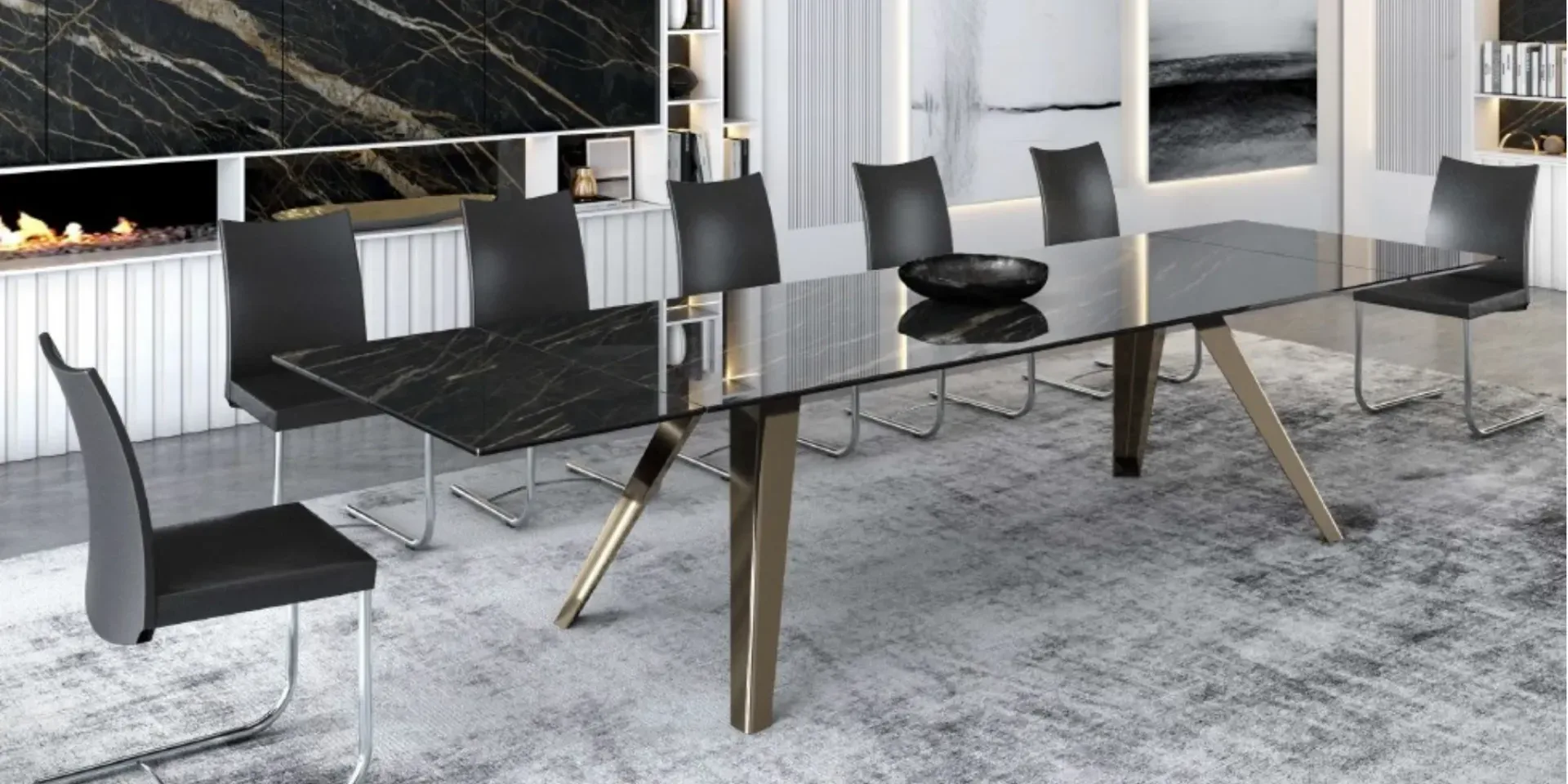
Italian transitional colonial architecture works when the furniture respects the house and still feels current. Colonial rooms often have symmetry, paneled walls, substantial trim, and a fireplace. Italian transitional pieces bring cleaner lines, considered materials, and everyday comfort. Start with the fixed architecture. Then choose furniture that supports how you live, instead of copying a period look.
Schedule a design consultation
Transitional design joins traditional and contemporary elements without following one historical style. Italian furniture can add sculpted forms, careful finishes, and a focus on daily use. Colonial architecture may bring balanced windows, raised panels, wide trim, and established woodwork. The particular house matters more than the label. Age, later renovations, room shape, and existing finishes all change what will feel at ease.
The mix works when neither side overwhelms the other. Keep the millwork visible. Let the furniture update the room. A clean-lined table can sit under a traditional light. A low sofa can soften a room with strong trim. The result should feel personal, not like a staged historical set or a showroom vignette.
Think of the room as a conversation among three things: fixed architecture, furniture silhouettes, and materials. If one is very strong, quiet the others. Elaborate millwork often needs simpler furniture. Plain walls can take a more distinctive chair or table. That balance lets familiar details stay part of daily life without making every new piece look old.
The EuroHome Design Center is where those room questions can be compared in person, with the architecture and the household in mind.
Scale is the first practical decision. A beautiful piece can still feel wrong if its footprint or visual weight crowds the room. Some colonial houses have generous ceilings and defined openings. Each room still has its own dimensions. Measure the actual space rather than relying on the style name.
For a dining area, plan the table and chairs as one group. Chairs need room to move back. People need a route behind seated guests. A table can fit between two walls on paper and still make everyday use awkward. Browse dining furniture after you have a rough footprint and seating plan.
Use painter's tape to mark the proposed table or sofa on the floor. Walk the paths you expect people to use. For a dining setup, pull chairs back from the taped edge and test whether someone can pass. This shows when a piece is technically small enough but uncomfortable in practice.
Consider sightlines as well as walking space. A tall cabinet can interrupt a view through a doorway. A lower piece may preserve it. If a fireplace is the natural focal point, test whether the furniture supports that view. Photograph the taped layout from the doorway and from the seats. The pictures make proportion problems easier to see.
Use shape to bridge old and new. Traditional architecture often has strong lines and formal symmetry. Transitional furniture can echo that order while introducing cleaner profiles. A table with a simple top and a shaped base can feel current without looking stark against classic trim.
Look for relationships rather than matching details. A gently curved chair can soften a rectilinear room. A substantial table can hold its own beneath a high ceiling, while open space under the base keeps the room from feeling heavy. In a living room, a low sofa can balance a tall fireplace surround if the sofa is still generous enough for the people who use it.
Compare the proportions of dining tables and dining chairs before you commit to a set. A matching set is not required. Check seat and table height, chair movement, and visual scale. Different outlines can work together when they share a sense of proportion and do not crowd the architecture. For the measurements that decide whether a chair slides under a table, use the dining table and chairs matching guide. That page owns clearance and chair count. This one stays with the room.
Colonial interiors may already contain hardwood floors, stained trim, doors, or older furniture. New pieces do not have to match every wood surface. A near-match can make the difference look accidental. Choose a clear relationship instead: blend, contrast, or connect.
Choose a finish close in value and undertone to a major wood surface when you want the furniture to recede. This can make sense if the room already has a strong focal point, such as an ornate fireplace or a large patterned rug. Do not expect every wood to disappear into the others. The goal is a calm relationship, not an exact copy.
A lighter table against darker trim can give the room a focal point. A dark cabinet can ground a room with pale walls and flooring. Keep the contrast deliberate and repeat it in a smaller way, perhaps in a frame, a lamp base, or a textile. Without a repeated note, the standout piece may feel disconnected.
When the floor and trim already differ, a third finish can still work. Choose one that shares a warm or cool undertone with an existing surface, even if the depth is different. Limit the number of prominent finishes. Use upholstery, rugs, or art to soften the transitions.
Compare a material sample in the actual room, near the floor and the woodwork, in daylight and in evening light. Wood can shift as the light changes. A phone photo helps you remember the relationship, but check the real sample before you decide. Showroom lighting alone cannot tell you how a finish will read at home.
Contrast brings energy. Too many competing statements can make a room feel unsettled. Choose a few contrasts and repeat them. Pair dark trim with a lighter upholstered seat, then echo that light tone in a rug or a piece of art. Or set warm wood against a cooler wall and repeat the wood tone in smaller accents.
Texture offers contrast without adding another strong color. Smooth wood beside woven upholstery, a matte finish near polished hardware, or a soft rug under a crisp table can create depth. This helps contemporary furniture feel welcoming rather than severe.
Try an editing pass before you add accessories. Step back and name the three strongest visual elements. If they are already the fireplace, a patterned rug, and a large cabinet, choose quieter outlines for new furniture. If the room is restrained, one expressive chair or table may be enough. Give important objects breathing room. Personality does not require every surface to demand attention.
Modern European furniture does not have to make a traditional room feel cold. Comfort depends on how a piece supports daily use, not only on its outline. Consider how long people sit, what happens in the room, and whether the arrangement supports meals, conversation, reading, or hosting.
For chairs, consider seat depth, back support, upholstery, and how easily the chair moves. For a sofa or lounge chair, think about posture, cushion feel, and access to nearby tables. A clean silhouette can still feel generous when its size and upholstery suit the people who use it. If you can, sit in a comparable piece rather than judging comfort from a photograph.
Warmth also comes from the setting. Layer textiles. Keep art and personal objects in view. Choose lighting that makes the room pleasant after dark. A comfortable arrangement gives people space to move and to reach a surface. Browse living room furniture with the architecture and the household routines in mind, not appearance alone. Lounge chairs can complement a larger seating piece without copying the trim.
A colonial home does not need colonial-style furniture in every room. Nor does every new item need to be Italian to create a considered European point of view. A mix of old and new often feels more honest when it reflects the people who live there.
Choose a few connecting elements, such as warm wood, a repeated metal finish, or a shared sense of proportion. Let other details vary. An inherited sideboard can sit beside a modern table if both have space around them and their finishes do not fight. Books, art, and collected objects can connect different eras without forcing a perfect match.
Think past the object's appearance to the experience of using it. A dining table becomes part of meals, work, and conversation. Seating may need to support long evenings as well as short visits. A made-to-order option may help when a room has unusual dimensions or when a particular finish connects existing pieces. Confirm what can actually be customized for that item. Do not assume every feature is available.
For more about the company, see the EuroHome overview. Review the frequently asked questions when you are preparing to discuss selection or delivery.
Imagine a colonial dining room with dark wood trim, a fireplace, and a long rectangular footprint. Rather than adding another heavily ornamented table, choose a clean-lined table whose finish relates to the room's warm undertones. Pair it with comfortable chairs that have a lighter visual profile. A rug can define the dining zone. A simple centerpiece keeps the table useful.
Check the plan in a practical order. First, confirm the table and chairs fit with room to move. Next, see whether the finish relates to the trim without copying it. Then check the view toward the fireplace and the route into the next room. If the composition feels heavy, reduce visual weight with open chair legs or lighter upholstery rather than adding more decoration.
For a living room with a prominent fireplace, a contemporary sofa can face the hearth while a pair of lighter chairs completes the seating. Keep the main route clear. Use one or two warm materials to connect the furniture to the trim, then bring in softer textures. The same idea works in a bedroom or a study. The architecture stays. The furniture updates how the room is used.
A table, sofa, or lounge chair often sets the direction for the rest of the room. Before you select one, write down the practical requirements and the visual role it should play.
Separate what is fixed from what is flexible. Room dimensions, doorway width, and fireplace location are fixed. Finish and upholstery may offer choices, depending on the piece. Write the non-negotiables before you compare options. It is easy to be distracted by a beautiful finish on an item that cannot work in the room.
Confirm the details that are hard to change later. Recheck room and access measurements. Verify dimensions, finish, upholstery, and configuration for the exact piece. Clarify timing, delivery, assembly, and what preparation is needed. Review shipping and delivery as part of the decision.
If the room is part of a larger project, consider the sequence. Paint, flooring, lighting, and window treatments change how furniture color and proportion appear. Looking at the room as a whole helps keep a purchase from becoming an isolated decision.
When a home has features you want to keep, distinguish movable furnishings from the building itself. Furniture can update a room without altering original trim, doors, or other architectural details. The National Park Service explains rehabilitation as repair, alteration, and compatible new work that still preserves historic materials, features, and spaces. Its Standards for Rehabilitation also say new work should be differentiated from the old and should not create a false sense of history. For a furniture plan, the practical lesson is simple. Document the features you want to keep. Avoid covering them without a reason. Make changes to the room with care.
That does not mean every old detail must stay untouched, or that a room must look historically exact. It means understanding what gives the house its character before you decide where contrast, color, or a new focal piece belongs. When work goes beyond movable furniture, seek advice that fits the specific property.
Book a design consultation for your room
Yes. Keep the architecture visible and choose furniture whose proportions and materials relate to it. A contemporary piece can update a traditional room without copying historic details.
No. Aim for an intentional relationship rather than an exact match. A lighter or darker finish can add definition when its undertone works with the room's other woods.
Choose furniture that supports comfortable use, add tactile materials, and leave room for personal objects. Warm lighting and a relaxed seating arrangement can balance formal architecture.
Measure usable room dimensions and note doors, windows, fireplaces, and circulation routes. Then test the furniture footprint and the space needed to use it comfortably.
A thoughtful mix lets the home's architecture and the furniture contribute equally. The rooms stay comfortable, personal, and ready for everyday life.


