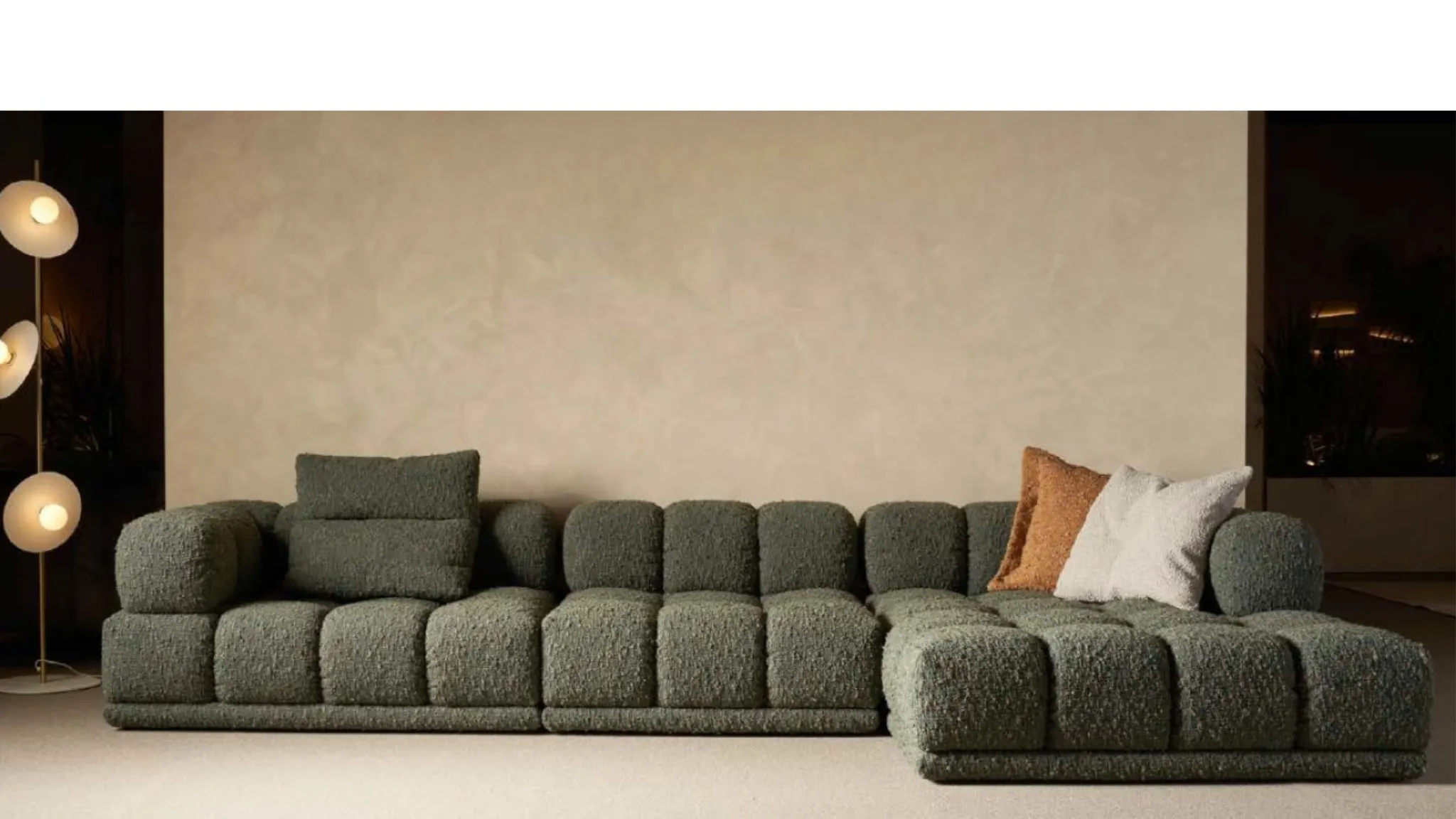
Have you ever looked at a beautiful sofa and wondered what really goes into its price tag? It’s not just one thing. The final cost is a story told through its materials, the skill of its makers, and the creativity of its design. From a solid hardwood frame to hand-stitched upholstery, every detail plays a part. Instead of just looking at the final number, it’s helpful to understand the journey of the piece. We’ll take you behind the scenes to explain the factors that shape a bed and sofa set price, giving you the insight to choose furniture that truly fits your home and your standards.
When you start shopping for furniture, you’ll quickly notice that prices for bed and sofa sets can be all over the map. One set might seem like a steal, while another carries a five-figure price tag. So, what’s really going on? The final cost comes down to a mix of materials, craftsmanship, and design. Understanding what you’re paying for is the first step to finding pieces you’ll love for years to come. Let’s break down what a "set" usually includes and what price ranges you can expect to see.
First things first, the term "set" can be a bit flexible. While you might picture a perfectly matched sofa and bed frame, it often refers to multi-functional pieces that serve both purposes. Think of versatile sleeper sofas that transform your living room into a guest space in seconds. These are incredibly popular for their space-saving designs, offering both a stylish couch and a comfortable bed without cluttering your home. You’ll find everything from classic pull-out couches to modern sectionals and futons that fold down. This dual functionality is a key feature that makes these pieces a smart investment for anyone looking to furnish a guest room or a smaller living space efficiently.
So, how much should you plan to spend? The market is broad. You can find basic sleeper sofas for under $500, with many options falling between $750 and $1,000. These entry-level pieces can be great for temporary solutions or low-traffic areas. However, as you move into higher-quality materials, more sophisticated mechanisms, and designer aesthetics, prices will naturally increase. The global demand for sofa beds is growing, which means more innovation and variety are available than ever before. While budget-friendly options are plentiful, investing in a well-made piece for your primary sleeping or seating area often means looking at a higher price point for better comfort and durability.
When you’re looking at a price tag, it’s easy to wonder what exactly you’re paying for. Is it the brand name? The materials? The cool design you saw in a magazine? The truth is, it’s a combination of several factors. Understanding these elements helps you see the real value in a piece and decide where you want to invest your money. From the wood used in the frame to the stitching on the cushions, every detail plays a role in the final cost. Let’s break down the key components that determine the price of a bed or sofa set, so you can shop with confidence.
The quality of materials is the foundation of any good piece of furniture. A sofa built with a solid hardwood frame will cost more than one made from particleboard, but it will also provide superior durability and support for years to come. The same goes for fabrics and fillings. Genuine leather or high-performance upholstery will have a higher price point than basic polyester, but they offer better longevity and feel. While some sofas and chairs might seem like a bargain, they are often made with lower-quality materials that can wear out quickly. Investing in better construction from the start means you won't be shopping for a replacement in just a few years.
A brand's reputation is built on its commitment to quality and design, which often influences the price. Renowned designers and manufacturers who use time-honored techniques like hand-tied springs or detailed joinery invest more into the creation of each piece. This craftsmanship ensures the furniture isn't just beautiful but also built to last. However, it's a common myth that a high price always equals high quality. The final cost is also shaped by the piece's size and features, not just the brand name on the label. Look for details that signal quality craftsmanship, like smooth finishes, sturdy legs, and even, tight stitching.
A unique design can turn a simple piece of furniture into a statement. Intricate details, custom finishes, or innovative shapes require more skill and time to produce, which adds to the cost. Current design trends can also affect pricing. For example, the move toward mixing natural elements like wood, stone, and woven textures means pieces featuring these popular materials might come at a premium. While a classic, straightforward design is often more affordable, paying a bit more for a piece with distinct character can completely transform your home's aesthetic. It’s about finding the balance between a timeless look and a design that feels personal to you.
It might seem obvious, but bigger furniture costs more. A large sectional requires significantly more material and labor than a standard three-seater sofa. Beyond standard sizes, custom configurations also play a big role in pricing. If you need a sofa with a specific chaise orientation or a bed with a non-standard headboard height, you’re looking at a custom order. This specialization increases the cost but ensures the piece is a perfect fit for your room. That’s why it’s so important to measure your space accurately before you start shopping to avoid any surprises and ensure your new furniture fits just right.
Today’s furniture does more than just look good—it works for you. Many modern sofas and beds come with integrated features that add convenience to your daily life. Think built-in USB ports for charging your devices, power reclining functions, or hidden storage compartments perfect for stashing away blankets and pillows. Some beds even include built-in lighting or adjustable bases. These clever additions require extra technology and more complex manufacturing, which is reflected in the price. While not essential for everyone, these smart features can make your living space more functional and organized, making them a worthwhile investment for many.
Understanding what your money gets you is the first step to smart furniture shopping. Price tags aren't arbitrary; they reflect the quality of materials, the complexity of the design, and the level of craftsmanship involved. Whether you're furnishing your first apartment or investing in a forever piece, knowing the landscape of different price tiers helps you set realistic expectations and find the best value for your home and lifestyle. Let’s break down what you can generally expect to find at each level.
In this price range, the focus is on functionality and accessible style. You can find plenty of attractive sofas and couches that are perfect for smaller spaces, guest rooms, or starter homes. Many pieces come with practical features like built-in storage, USB charging ports, or cup holders. Assembly is often straightforward, with many models designed for quick and easy setup. While you might not find premium materials like top-grain leather, you will discover durable fabrics and clean, modern designs that can easily fit into your existing décor without breaking the bank. It's a great way to get a stylish look while staying on budget.
This is where you’ll find a fantastic balance of quality, durability, and design. In the mid-range, your options expand significantly in terms of materials, silhouettes, and customization. You can expect more robust frame construction and higher-quality upholstery. This is also the tier where you’ll see a wider variety of functional furniture, like well-built sleeper sofas that don’t compromise on comfort, whether you're sitting or sleeping. Brands in this category often offer more diverse collections, allowing you to find a piece that truly reflects your personal style and is built to handle the demands of daily life for years to come.
When you move into the luxury tier, you are paying for superior craftsmanship, premium materials, and timeless design. These pieces are built to be the focal point of a room and last for a generation. Think solid hardwood frames, top-grain Italian leather, and high-resiliency foam cushions that maintain their shape and comfort. The growth of the Global Sofa Market shows that more people are choosing to invest in high-quality furniture. This is where you’ll find pieces from renowned designers and brands that prioritize artistry and durability, creating a true statement of style and quality in your home.
Once you know your budget and style, you can start exploring different brands. The furniture world is vast, but most brands have a distinct point of view. Understanding what each one offers helps you narrow down your search and find the perfect match for your home and lifestyle. From curated European design to massive online marketplaces, here’s a look at what you can expect from some of the most popular names in furniture.
EuroHome focuses on the essence of modern European and Italian design: clean lines, premium materials, and impeccable craftsmanship. Instead of overwhelming you with thousands of choices, the collection is carefully curated to feature timeless, elegant pieces. This is where you turn when you’re looking for a statement sofa or a dining set that feels both luxurious and livable. The emphasis is on quality and sophisticated style that lasts. If you appreciate thoughtful design and want your furniture to be a long-term investment, exploring their collections for living and eating is a great place to start.
Ashley Furniture is known for its vast selection and accessible price points. It’s a go-to for many families because you can find a wide variety of styles, from traditional to contemporary. For example, their website lists nearly 50 different sleeper sofa products, including sectionals and futons, with many options under $1,000. With frequent sales and financing plans, Ashley aims to make furnishing a home straightforward and budget-friendly. It’s a practical choice if you need a functional piece quickly and want plenty of options to browse through.
IKEA has mastered the art of minimalist, space-saving design. Their furniture is a favorite among city dwellers and anyone living in a smaller space. True to their brand, IKEA’s sleeper sofas are designed to be multifunctional, serving as both a comfortable couch and a bed without feeling bulky. With over 55 different sleeper options, their offerings are rooted in Scandinavian simplicity and functionality. If your priorities are affordability, clean design, and making the most of every square foot, IKEA delivers practical solutions that get the job done with a distinct, modern aesthetic.
Think of Wayfair as a giant online furniture mall. The sheer volume is its biggest strength and, for some, its biggest challenge. With thousands of sofas available, you can find almost any style, color, or material imaginable. Their powerful search filters are essential for sorting through the options by price, size, brand, and features. Wayfair is a great resource if you enjoy having endless choices and want to compare a huge range of products from different manufacturers all in one place. It’s ideal for the decisive shopper who knows exactly what they’re looking for.
Before you even start browsing, taking a few moments to plan can save you a lot of time and potential headaches. Think of it less like a strict budget and more like a roadmap to finding pieces you’ll love for years to come. It’s about making an intentional investment in your home and your comfort. By figuring out your spending plan, measuring your space, and considering your lifestyle, you can shop with confidence and focus on the fun part: discovering the perfect bed and sofa set. This approach ensures you find furniture that not only looks beautiful but also fits seamlessly into your life.
The first step is always to determine your budget before you start shopping. Knowing your price range helps you narrow down your options and prevents the frustration of falling for a piece that’s way out of reach. Price is a key factor, so it’s important to think about the total cost and how it fits into your overall home furnishing goals. Remember, you’re not just buying a piece of furniture; you’re investing in quality and comfort. A well-made sofa or bed can last for a decade or more, making it a worthwhile expense. Consider it a long-term relationship, not a temporary fling.
There’s nothing worse than finding the perfect sofa, only to realize it won’t fit through your front door. Accurately measuring your space is an essential step to ensuring a perfect fit and avoiding that exact scenario. Grab a tape measure and record the length and width of the room where the furniture will go. Don’t stop there—measure doorways, hallways, and any tight corners on the delivery path. This simple task takes just a few minutes but can save you from a major delivery-day disaster. Having these dimensions handy will make it much easier to find pieces that complement your room’s scale and proportions.
Your home should be a reflection of you, and your furniture plays a huge role in that. The right pieces depend on your personal preferences, budget, and design style. Do you love hosting movie nights? A deep, comfortable sectional from our living collection might be perfect. Have kids or pets? You’ll want to prioritize durable, easy-to-clean materials. While a cheap sofa might seem like a good deal, it’s often made with lower-quality materials that won’t stand the test of time. Investing in pieces that suit your daily life ensures you’ll love them just as much in five years as you do today. If you need help defining your style, our interior design services can guide you.
Finding the best value in furniture isn't just about hunting for the lowest price tag. It’s about getting the highest quality, most beautiful design, and best functionality for your budget. A truly great deal is a piece you’ll love for years, not a temporary fix that needs replacing in a year or two. The key is to shop smarter, not cheaper. By understanding the retail cycle and knowing where to look, you can find incredible pieces—like a stunning contemporary sofa or a timeless bed frame—at a price that feels right.
A strategic approach can make luxury accessible. It means knowing when to pounce on a sale, how to compare your options effectively, and where to find hidden gems. Whether you're furnishing a new home or upgrading a single room, a little patience and know-how can make a huge difference. Think of it as an investment in your home’s comfort and style. With the right tactics, you can secure furniture that not only looks amazing but is built to last, ensuring you get the most out of every dollar you spend.
Timing your purchase can lead to significant savings. Major holidays like Memorial Day, Labor Day, and Black Friday are well-known for furniture sales. Retailers often use these long weekends to clear out inventory and make room for new collections. Beyond the big holidays, keep an eye out for end-of-season sales, typically in late winter and late summer. To stay ahead, sign up for email newsletters from brands you love. You’ll get first notice of promotions and might even receive exclusive subscriber-only discounts. Just be sure to compare the final price, including taxes and shipping, to make sure the deal is as good as it seems.
Each shopping method offers distinct advantages. Shopping in-store allows you to see, touch, and test the furniture for comfort—a crucial step for sofas and beds. You can also speak directly with a sales associate and sometimes negotiate on things like delivery fees. On the other hand, shopping online provides a much wider selection and the convenience of browsing from home. Online retailers like EuroHome often have lower overhead, which can translate to more competitive pricing on high-end European designs. Look for sites with detailed product descriptions, high-quality photos from multiple angles, and transparent customer reviews to help you make an informed decision without seeing the piece in person.
Don’t overlook the clearance section or floor models. These pieces are often significantly marked down to make space for new inventory. Floor models can be a fantastic way to get a high-quality item at a fraction of the price, but you must inspect them closely for any scuffs, scratches, or wear. Remember that these items are typically sold "as is," with a final sale policy. This strategy is best for savvy shoppers who know what to look for and are willing to accept minor imperfections. It’s a trade-off that can land you a premium piece of furniture, like a designer dining set, for much less than its original cost.
Online reviews are one of the most powerful tools you have when shopping for furniture. They offer real-world insights from people who have already lived with the pieces you’re considering. But reading them effectively is a skill. A sea of five-star ratings doesn’t always guarantee a perfect product, and a few negative comments don’t always mean you should run. The trick is to learn how to filter the noise and find the details that matter to you. It’s about moving beyond a simple "good" or "bad" verdict and understanding the nuances of someone else's experience.
Think of yourself as a detective looking for clues. You’re not just glancing at the overall score; you’re digging into the specifics to see how a sofa or bed set will actually fit into your life. Does it stand up to kids and pets? Is the color true to the photos? Is assembly a nightmare? These are the questions that reviews can answer. By looking past the obvious, you can spot potential issues before they become your problem and uncover hidden gems that others might have missed. Let’s walk through how to analyze customer feedback so you can feel confident in your final decision.
That shiny 4.8-star rating looks great, but it’s only the first chapter of the story. The number of reviews is just as important as the rating itself. A sofa with 15 five-star reviews is a good start, but a similar piece with 450 reviews and a 4.6-star average gives you a much more reliable picture of overall customer satisfaction. A larger volume of feedback smooths out the extreme opinions, giving you a balanced view. Also, be sure to sort reviews by "most recent." This can tell you if the product's quality has changed over time or if a previously reported issue has been resolved by the manufacturer.
While you should take overly emotional or vague negative reviews with a grain of salt, you should pay close attention to patterns. One person complaining about a difficult assembly process might just be inexperienced, but if ten people mention the same frustrating step, you know what you’re in for. Look for recurring comments about specific issues, like fabric pilling after a few months, cushions that sag quickly, or colors that look different from the online photos. According to the Federal Trade Commission, honest feedback is crucial, and consistent complaints are the most telling red flag you can find.
It’s easy to assume that a higher price tag automatically means higher quality, but that’s one of the biggest myths in furniture shopping. While price is often related to materials and craftsmanship, it’s also influenced by brand name, designer fees, and marketing costs. Don’t let a four-figure price convince you a sofa is perfect. Instead, let the reviews tell you about the actual quality. Look for comments that mention the sturdiness of the frame, the durability of the fabric, and how the piece has held up after six months or a year of use. A glowing review for a mid-range sofa that praises its longevity is far more valuable than a lukewarm review for an expensive one.
You’ve found the perfect sofa and bed set, and the price tag looks just right. Before you pull out your card, it’s smart to remember that the sticker price isn't always the final number. A few extra costs can pop up between the showroom and your living room, and planning for them ahead of time ensures your budget stays on track. Think of it as the final step in making a truly informed purchase.
These aren't hidden fees meant to trick you; they're simply part of the logistics of buying large, high-quality items. From getting your new pieces safely to your door to ensuring they stay beautiful for years to come, these costs cover the full lifecycle of your furniture. By accounting for delivery, potential protection plans, and long-term care, you can confidently invest in pieces you’ll love without any last-minute financial surprises. Let’s break down what you should keep on your radar.
Getting a large bed frame or a sectional sofa from the warehouse to your home requires some heavy lifting, and that service often comes with a fee. While some retailers offer free shipping promotions, always clarify the delivery costs before you commit. Ask if the service includes placement in your room of choice or just curbside drop-off. Many companies also offer assembly services for an additional charge, which can be a lifesaver for complex pieces. If a store charges for delivery, don’t be afraid to ask if they can waive the fee to close the sale—sometimes, they will.
When you’re investing in high-quality furniture, a warranty or protection plan is like insurance for your good taste. These plans go beyond the standard manufacturer's warranty, often covering accidental spills, stains, rips, or structural damage that can happen in a busy home. Think of it as a safety net that keeps your beautiful new sofa looking its best. While it’s an upfront cost, it can save you from much more expensive repair or replacement bills down the road, giving you peace of mind to truly live with and enjoy your furniture.
The final cost to consider is the ongoing care that will keep your furniture in pristine condition. Depending on the material, you might need specific cleaning products, leather conditioners, or fabric protectors. Choosing durable, easy-to-clean materials can lower these long-term costs. For example, many modern sleeper sofas have removable, washable covers. It’s also wise to factor in the "cost" of a mistake—always measure your space carefully before buying to ensure a perfect fit and avoid the hassle and expense of a return.
Once you have a few bed and sofa sets in mind, it’s time to put them head-to-head. This is where you move from browsing to buying, and a little focused comparison can save you from future headaches and buyer’s remorse. It’s not just about finding the lowest price; it’s about finding the best value for your home and lifestyle. Think of it like this: you’re not just buying a piece of furniture, you’re investing in your daily comfort and the overall feel of your space. A sofa isn't just a place to sit; it's where you unwind after a long day, host friends, and make memories.
To make a confident decision, you’ll want to look at more than just the photos. A systematic approach helps you cut through the marketing noise and focus on what truly fits your needs. This means creating a clear checklist of your must-haves, doing a bit of homework on pricing, and never underestimating the importance of a real-world comfort check. It’s easy to get swept up in a beautiful design, but the best furniture marries form and function perfectly. By breaking down your comparison into these simple steps, you can move forward with clarity and choose a set you’ll love for years to come. It’s about being an informed buyer who knows exactly what they’re looking for.
Before you get swayed by a beautiful design, make a practical checklist of your non-negotiables. Start with size. Do you need a sofa that can also serve as a guest bed? A queen-size sleeper is typically around 60 inches wide, offering a comfortable spot for two. Next, think about function. Are you looking for a sofa with built-in storage to hide away blankets and remotes, or a bed frame with integrated nightstands? These features can make a huge difference in your daily life. Creating a list of your top three to five "must-haves" will help you filter your options and stay focused on what truly works for your space.
Getting the best price requires a bit of detective work. Once you’ve found a style you like, don’t stop at the first price you see. It’s smart to compare the final pricing across a few different retailers, making sure to factor in shipping and taxes. Look for clearance items or floor-sample sales for potential deals, but always inspect these pieces closely, as they are often sold "as is." While it’s tempting to jump on a sale, taking a moment to cross-reference prices ensures you’re getting genuine value. This simple step can save you a significant amount of money and confirm you’re making a sound investment.
You can’t judge comfort from a screen. If you can, visit a showroom to sit on the sofa or lie on the bed. But even if you’re shopping exclusively online, you can still perform a "comfort test." Start by accurately measuring your space to ensure the furniture will fit without overwhelming the room. Then, check the product dimensions carefully. Pay attention to seat depth on sofas and the height of a bed frame. These details determine how the furniture will feel and function in your home. A sofa with a shallow seat might look chic, but it won’t be ideal for cozy movie nights. This step ensures your new furniture not only looks good but feels right, too.
Timing your furniture purchase can feel like a strategic game, but you don’t need a secret calendar to win. While certain times of the year are famous for sales, the real key is knowing what to look for so you can find incredible value whenever you’re ready to buy. Being a savvy shopper is less about waiting for a specific date and more about understanding the rhythm of the retail world and recognizing a genuinely good deal when you see one.
Whether you’re furnishing a new home or finally replacing that well-loved sofa, a little planning can make a big difference to your budget. Let’s walk through the best times to shop and how to make sure the price you’re getting is as good as it looks.
You can almost set your clock by the major holiday sales events. Weekends like Presidents' Day, Memorial Day, Labor Day, and of course, Black Friday, are prime times for retailers to offer promotions. But the savings opportunities don't stop there. Twice a year, typically in late winter and late summer, furniture stores clear out old inventory to make room for new collections. This is a fantastic time to find last season’s styles at a significant discount.
Beyond the big sales, keep an eye out for floor-sample sales. These are display pieces sold at a lower price to make way for new items. Just remember that they’re often sold "as is," so be sure to inspect every angle for nicks or wear before you commit. Showrooms may also be more flexible with pricing during slower sales periods, like right after the holiday rush in January or at the end of summer.
A giant red "SALE" sign is exciting, but it doesn’t always mean you’re getting the best value. The first step is to look at the final price. A sofa might seem cheaper at one store, but after you add their high delivery and assembly fees, it could end up costing more than a similar piece from another retailer. Always tally the final pricing across all the brands you’re considering to get a true comparison.
Also, pay close attention to what the price includes. Sometimes a price shown for a sectional only includes the smallest configuration, or a bedroom set price might not include the nightstands. Finally, remember that price is often an indicator of quality. A shockingly cheap sofa might seem like a win, but it’s often made with low-quality materials that won't stand up to daily life. A true deal isn’t just about finding the lowest price—it’s about investing in a beautiful, well-made piece of furniture that will last for years.
Is a more expensive sofa always a better-quality sofa? Not necessarily. While a higher price often points to premium materials like a solid hardwood frame or top-grain leather, it can also reflect brand prestige or a complex design. The best way to judge quality is to look at the details. Check customer reviews for feedback on long-term durability, and pay attention to construction specifics. A well-made, mid-range piece can easily outlast a poorly constructed luxury one.
How can I figure out the right budget for my new furniture? Start by deciding what you can comfortably spend, but also think about the furniture's role in your home. If this is a sofa for your main living area that will see daily use for the next decade, it's worth investing more. For a piece in a low-traffic guest room, you might spend less. Always measure your space before you start looking—this will help you budget for the right size and avoid the costly mistake of buying something that doesn't fit.
What costs should I plan for besides the sticker price? It's smart to set aside a bit extra for a few things. First, confirm the delivery and assembly fees, as these can vary quite a bit. Second, consider if a protection plan or warranty makes sense for you, especially if you have kids or pets. Finally, think about any long-term care products you might need, like a specific fabric cleaner or leather conditioner, to keep your new investment looking its best.
With so many options, how do I decide between shopping online or in a showroom? Each has its perks. Visiting a showroom is great because you can physically sit on a sofa and feel the fabric, which is the ultimate comfort test. Shopping online, however, gives you access to a much wider selection and often more competitive pricing. A great strategy is to use showrooms to figure out what styles and dimensions you like, then use that knowledge to find the best value online.
Is there really a "best" time of year to buy furniture? Yes, you can definitely find better deals if you time your purchase. Retailers typically hold major sales during long holiday weekends like Memorial Day and Labor Day. You can also find great prices at the end of winter and summer when stores are clearing out old inventory to make room for new collections. That said, the best time to buy is when you find a piece you love that fits your budget and your home perfectly.

