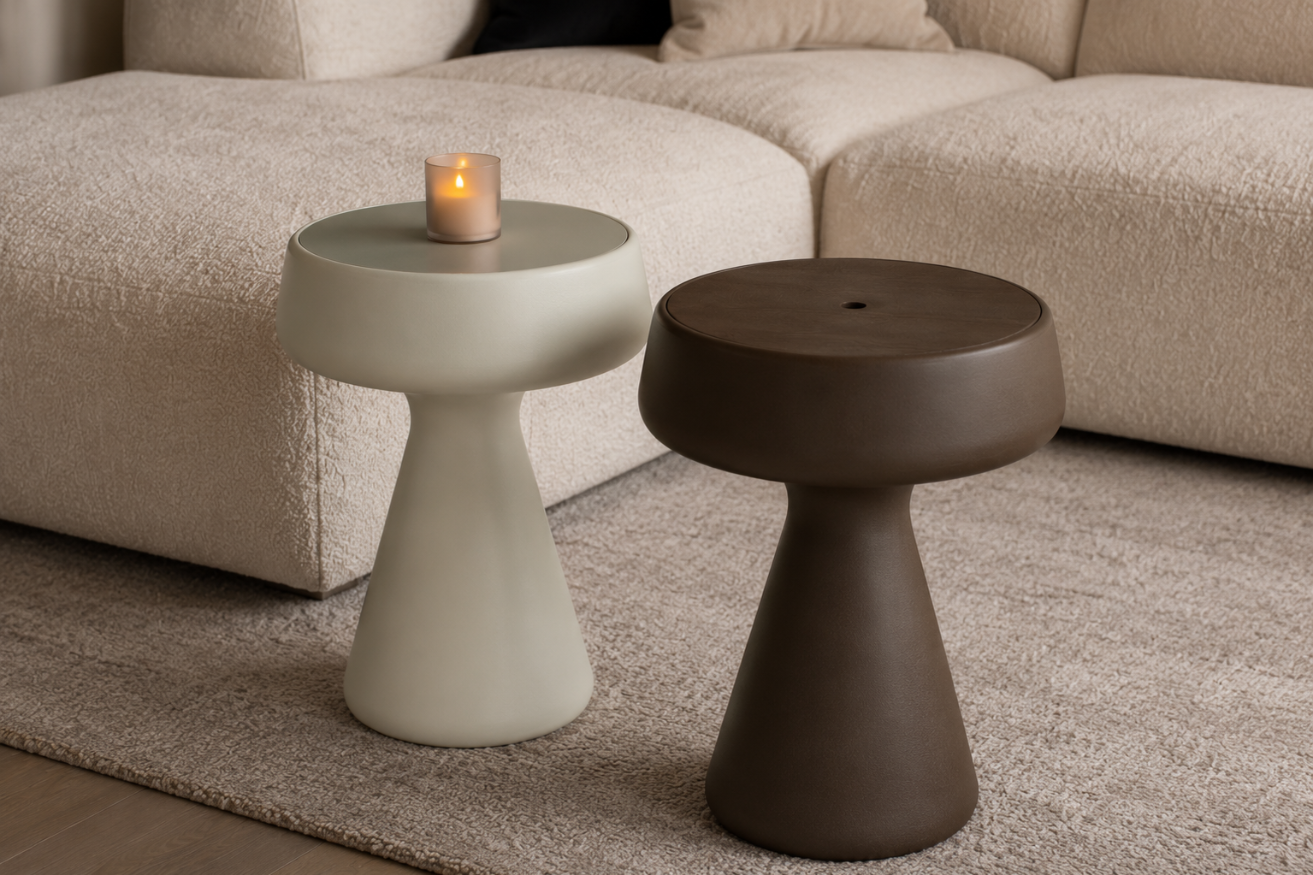
A coffee table becomes part of a room's visual language the moment its surface feels intentional. The most compelling arrangements balance what invites conversation with what rewards a closer look: a beautifully edited volume. A sculptural form, a vessel with an artisan finish, or an object with a story behind its provenance.
Browse EuroHome Interiors' decorative accessories collection to find vases, sculptures, and decorative objects that bring European sophistication to your coffee table.
The aim is not to fill every inch. It is to build a composition that feels collected rather than staged, with enough openness for everyday living and enough contrast to hold the eye. Start by choosing the books that establish the mood, proportions, and design narrative of the display, then let each additional piece earn its place.
European coffee table books create a refined foundation for styling because they introduce color, scale, texture, and cultural character to a room. When stacked thoughtfully and paired with curated vases, sculptures, and decorative objects. They transform an ordinary surface into a collected composition that reflects the homeowner's personal taste and design sensibility.
A well-styled coffee table usually begins with a thoughtful stack of books. Before adding a vase, sculpture, or tray, choose volumes that establish the mood you want the room to convey. Their covers, proportions, and subject matter create an immediate visual anchor, while the pages offer guests an invitation to pause and explore.
Large-format European design books are especially effective because they combine generous scale with rich visual storytelling. A volume on Italian interiors might reinforce the clean lines of a contemporary sofa. While a book devoted to European architecture can bring structure and cultural depth to a more eclectic arrangement. Art books introduce color and composition. Travel books add a sense of movement, place, and personal discovery. Together, they make the table feel collected rather than decorated by formula.
Design education resources often describe coffee table books as a way to elevate a living room's aesthetic through curated visual inspiration. The images function as more than decoration. They can help homeowners identify the colors, materials, silhouettes, and spatial relationships that make a room feel resolved. The New York Institute of Art and Design explains how studying interior design imagery can sharpen the eye for these details.
Scale matters as much as subject. One substantial book can ground a small vignette, but a group of varied sizes gives a larger surface more rhythm. Place the broadest volume at the bottom, then add one or two smaller books above it, turning the top book slightly so the stack feels relaxed. This approach keeps the arrangement intentional without making it appear rigid.
Variety also helps define the room's design narrative. Academy of Art University notes that selecting the right size and mix of books can shape the table surface while reinforcing the broader story of the interior. Its overview of coffee table books as windows into European design trends offers useful inspiration when building a collection.
Think of the first stack as your foundation, not the finished display. Once it feels proportionate to the table and connected to the surrounding furniture, add only those objects that complement its visual language. A well-paired European bookshelf arrangement nearby can extend the same design narrative throughout the room.
The best European coffee table books for your space depend on the mood you want to create. Travel photography adds warmth and worldly character, art monographs bring a gallery-like precision, architecture books emphasize structure, and fashion titles contribute an editorial edge. Scale, cover design, and binding texture all matter as much as subject matter.
The best book for your coffee table is more than a beautiful object. It gives guests a glimpse into the places, makers, and visual traditions that shape your home. Begin with the subjects you return to naturally, then choose volumes that reinforce the room's atmosphere rather than compete with it.
Travel photography is an inviting choice for homeowners who love layered, worldly interiors. Look for books devoted to a specific region, city, or kind of journey, such as Mediterranean coastlines, Alpine landscapes, or the quiet details of European villages. Their imagery can add warmth and a sense of movement to a room, especially when the surrounding furniture has a restrained, modern profile.
Art monographs suit a more gallery-like setting. A book focused on one painter, sculptor, or movement creates a clear point of view and can introduce color without requiring another large decorative object. Architecture books are equally effective when you want to emphasize proportion, materials, and the relationship between buildings and their surroundings. Fashion and design titles bring a sharper, more editorial character, making them a natural fit for contemporary sofas, sculptural tables, and tailored accents.
Pay close attention to physical presence. Large-format hardcovers are often the strongest foundation because their generous pages and striking covers read clearly from across the room. Select a size that suits the table, leaving enough open surface for a drink, serving tray, or conversation. Academy of Art University notes that choosing the right size and variety helps define the table's surface and reinforces the room's larger design narrative: explore its guidance on coffee table books.
| Book Type | Visual Effect | Best Table Shape | Ideal Room Style |
|---|---|---|---|
| Travel photography | Warm, worldly, inviting | Rectangular, round | Contemporary, eclectic |
| Art monographs | Gallery-like, purposeful | Square, glass-top | Minimalist, modern |
| Architecture and design | Structural, refined | Rectangular, oval | Mid-century, industrial |
| Fashion and lifestyle | Editorial, vibrant | Round, glass-top | Contemporary, curated |
Vary scale thoughtfully rather than collecting books that all look identical. A substantial travel volume can anchor a smaller art or fashion title, while a quiet neutral cover may give a vivid architectural book room to stand out. Consider the cover as part of your palette, but do not match every color too literally. Repeated tones in the rug, artwork, or upholstery will create cohesion with more sophistication than a perfectly coordinated stack.
European design books offer a natural bridge to Italian and Scandinavian furniture, two influences central to EuroHome's collections. For another way to display and enjoy them, pair your coffee table selection with curated shelving using designer console table techniques to carry the same look into adjacent rooms.
The most successful arrangements pair a stack of European coffee table books with one or two sculptural objects that contrast in form, material, and height. Use the rule of odds to create dynamic groupings, vary silhouette types so rounded and angular shapes complement each other. And always leave enough open surface for the table to remain functional for everyday living.
Books establish a visual and intellectual foundation, while decorative objects give the arrangement dimension. The most polished coffee tables feel collected rather than crowded: a stack of European coffee table books can anchor a vase, sculpture, or bowl without competing with it. New York Institute of Art and Design guidance emphasizes balance when layering books and decorative elements, a useful principle for any surface that needs to feel intentional.
Odd-numbered groupings tend to feel more dynamic than perfectly symmetrical pairs. Try three related elements, such as two books beneath a small ceramic bowl and a sculptural object beside them. Alternatively, use one book stack, one vase, and one low decorative bowl. The relationship matters more than the count: each piece should have enough visual space to be appreciated, and the composition should not block conversation across the table.
Height variation keeps a vignette from becoming visually flat. Place the tallest object, such as a slender vase or vertical sculpture, toward the back or slightly off-center. Use books to create a lower platform for a smaller piece, then add a broad bowl or low object to balance the footprint. Contrast is especially effective when the forms differ: pair a rounded vase with an angular sculpture. Or a richly textured object with the clean lines of a modern table.
Keep scale in proportion to the furniture. A substantial coffee table can support a larger sculpture and several books, while a petite table calls for a restrained stack and one refined accent. On a glass surface, varying book sizes and adding a sculptural element can create interest without making the arrangement appear busy. Leave a clear area for setting down a drink or serving piece, since beauty should support the way the room is lived in.
A vignette works best when its objects share a quiet connection. Repeat a color from the room, echo the table's material, or select pieces that express a common design influence. A book on Italian architecture might sit beneath a hand-finished vase, while a small objet d'art introduces an unexpected shape. EuroHome's decorative accessories collection is a natural place to explore these finishing elements, including vases, sculptures, and art objects. Complete the look by layering in decorative objects from the Beautify category for additional textural contrast.
A polished coffee table arrangement follows a deliberate sequence: start with the largest book at the bottom, layer a smaller book at an angle. Add a sculptural object for height contrast, introduce a vase or bowl for texture, corral small items in a tray, and then step back to edit. This formula ensures the composition feels intentional without appearing overcrowded.
A polished coffee table arrangement needs less about collecting beautiful objects and more about giving each one a clear role. Books establish height and color, while sculptural and functional pieces add contrast. The aim is a composed surface that feels inviting, not overcrowded. Use this sequence as a starting point, then refine it according to the table's proportions and the room around it.
Rectangular tables benefit from linear arrangements with a stack off-center and a sculptural object at one end. Square tables call for a central vignette with balanced weight. Round tables work best with a single centered composition. Glass tables demand stricter editing because every layer remains visible through the surface. Each shape rewards a slightly different approach to book placement and accessory pairing.
The table's silhouette should guide the arrangement. A thoughtful display follows the geometry of the piece while leaving enough open surface for conversation, drinks, and everyday use. Think of the styling as a composed layer within the room, not a collection of objects placed wherever space remains.
Rectangular coffee tables naturally support a linear arrangement. Start with a stack of European coffee table books placed slightly off center, then add a low tray. A pair of bookends, or a sculptural object to create a visual stop at one end. The longer proportions make it possible to build two related groupings, such as books and a vase on one side, with a smaller functional tray on the other. Keep the center or a clear edge open so the table remains easy to use.
Square tables benefit from a more balanced composition. Divide the surface into zones rather than stretching the arrangement from end to end. A central stack can anchor the display, while a low bowl or compact sculpture adds contrast without competing with it. Repeat one material or color from the surrounding seating to connect the table to the larger living room.
Round tables are best suited to a central vignette. Layer two or three books beneath a rounded vessel, floral arrangement, or small sculptural piece, then check the display from every seat. Since there are no corners to absorb visual weight, vary height carefully and keep the outer edge relatively clear. An oval table offers a little more length, so a central composition can be paired with a slim object at one end, provided the arrangement still feels connected.
Glass makes the space beneath the table part of the composition. Group books in varied sizes and add one sculptural element so the lower shelf or rug does not read as accidental clutter. This approach creates visual interest through variation in scale and form, a principle highlighted by the Academy of Art's guidance on combining book sizes with sculptural elements (Academy of Art). Because every layer remains visible, edit more firmly than you would on an opaque surface. For inspiration, explore EuroHome's selection of modern coffee tables designed to give your arrangement a refined foundation.
Across every shape, balance statement pieces with practical items and resist overcrowding. The New York Institute of Art and Design emphasizes that interior design is detail driven, which makes proportion and negative space as important as the objects themselves (NYIAD). A carefully edited display also connects naturally to your living room's overall furniture layout, ensuring the coffee table feels like an intentional part of the whole room.
Refresh your coffee table display by rotating one or two elements each season: lighter book stacks and fresh botanicals for spring and summer. Deeper-toned volumes and dried branches for autumn and winter. For special occasions, introduce a single statement sculpture or objet d'art. Keep the core book foundation consistent and change only the accent layer.
A well-curated coffee table should feel alive, not fixed in place. Rotating a few considered elements throughout the year lets the room respond to the season, a holiday gathering, or an evening with clients without requiring a complete redesign. Keep the foundation consistent, then change one or two layers at a time.
Begin with your luxury living room furniture as the visual anchor and adjust the display to complement its finish, silhouette, and surrounding palette. In spring and summer, place a lighter book stack on the table, perhaps with brighter covers or photography that introduces coastal, botanical, or architectural references. For autumn and winter, deeper tones, textured bindings, and a smaller stack can create a warmer, more intimate mood. The books remain functional, but their covers become part of the room's seasonal composition.
Vase fillers are an equally simple way to refresh the arrangement. Fresh flowers bring movement and color to a spring gathering or dinner party, while dried branches, sculptural grasses, and preserved botanicals offer a longer-lasting expression for cooler months. Choose the vessel first, then keep the scale restrained so the arrangement does not obscure the books or dominate the seating area.
For an occasion, rotate in a single sculpture or objet d'art with a distinct presence. A polished piece can lend formality to a holiday reception, while a quieter artisan object may suit an informal weekend gathering. Each item should support a cohesive design statement rather than compete for attention. After styling, view the table from the sofa and from the room's entry point. If one element draws the eye away from the conversation area, remove it.
Handle delicate sculptures and oversized vases thoughtfully during every change. EuroHome's white-glove delivery service is designed to safely handle and position statement pieces. Store rotated books and accessories in a dry, protected place, ready for the next seasonal edit. Consider how a refreshed entryway console display can echo the same seasonal shift throughout your home.
Ready to elevate your space? Browse EuroHome Interiors' decorative accessories collection for hand-selected vases, sculptures, and objets d'art that complete your coffee table composition.
Begin with one or two European coffee table books as the visual foundation, then add a vase, sculpture, or small objet d'art. Vary height, shape, and texture while leaving enough open surface for drinks and conversation. A curated arrangement should feel collected, not crowded.
Choose books that suit the scale of the table and the surrounding furniture. A substantial book can anchor a larger surface, while smaller volumes work well on compact tables or in a layered stack. Combining different sizes creates rhythm and gives the display a more considered aesthetic.
Use contrast rather than matching every object. Pair a rounded vase with a more architectural sculpture, or balance a taller piece with a low stack of books. Keep the visual weight distributed across the surface, and let one statement object lead instead of allowing several pieces to compete.
Vases, sculptures, trays, and artful objets d'art are versatile choices. Select pieces that relate to the room's materials and palette, such as artisan ceramics with natural wood or refined metal with a glass tabletop. EuroHome's Beautify collection is a useful starting point for coordinating accessories with European furniture.
Glass makes clutter visible, so keep the arrangement edited and intentional. Group books in one area, add a sculptural element for height, and preserve clear space around the grouping. Choose varying forms and textures to create interest without obscuring the table's light, open character.
The right European coffee table books can give your room a thoughtful foundation, while a few curated decorative objects complete the composition. Browse EuroHome Interiors' decorative accessories to find pieces that bring color, texture, and character to your space. Visit the EuroHome showroom to discuss your design ideas with the team.

