
A beautifully furnished room can still feel unfinished when its walls lack the architectural character found in many European interiors. Thoughtful molding and paneling add proportion, rhythm, and depth, giving contemporary furniture a more considered setting without overwhelming the space. They can also turn a compact entryway into a focal point or lend a larger room a stronger sense of structure.
Use decorative wall panels to introduce architectural detail while keeping the room's furniture and function in balance. Choose the material, scale, and finish according to the room's natural light, existing furnishings, and desired mood. Painted molding can provide quiet definition, while wood, leather, or textured surfaces bring warmth and tactile interest. Keep profiles consistent with the home's character, then use carefully placed lighting to emphasize depth rather than visual clutter.
Schedule a design consultation with EuroHome Interiors to explore the right panel materials, molding profiles, and room-by-room placement for your home.
The right approach begins with understanding how different panel materials and patterns shape an interior. From warm wood to refined raised molding, each option creates a distinct relationship between European-inspired furniture, light, and space.
The right panel material sets the room's atmosphere before furniture and accessories enter the conversation. Consider the room's function, available light, maintenance needs, and the visual weight of nearby pieces. A tailored selection can make a compact room feel intentional or give a larger space a composed focal point.
Oak, maple, and mahogany bring natural grain, depth, and a sense of permanence. Maple and mahogany paneling are established ways to add warmth and decorative detail to plain walls, particularly in living rooms, libraries, dining rooms, and bedrooms. See the material reference from Mississippi State University. Wood generally sits in the mid-to-premium price range, depending on the species, finish, panel construction, and installation. It is also the strongest choice when you want natural acoustic softening and textural beauty rather than a purely decorative surface.
MDF panels are typically a more accessible option than solid wood and can be painted to coordinate with European furniture, trim, or a monochromatic wall scheme. They work well for geometric layouts, painted molding, dining rooms, hallways, and bedrooms, provided the installation area is dry and the edges are properly finished. PVC panels are often among the lower-cost choices. Their moisture resistance makes them suitable for utility areas or carefully selected bathroom applications, while their printed finishes can imitate wood or stone. Choose a high-quality surface and inspect samples in the room's actual lighting before committing.
Three-dimensional panels create shadow and movement without requiring complex artwork, helping a minimalist interior feel layered without becoming cluttered. They suit feature walls in living rooms, entryways, dining areas, and media spaces. Leather and upholstered panels bring softness and acoustic comfort, making them especially effective behind a bed, sofa, or banquette. They usually occupy the premium end of the range and require more care around spills and abrasion.
Faux-stone panels offer architectural texture at a lower weight and often a lower installation burden than masonry. They are well suited to fireplaces, entry walls, and contemporary entertaining spaces. Whatever the material, treat the panel as part of the furniture composition, not an isolated finish.
Quick material comparison at a glance:
| Material | Best For | Price Range | Key Benefits |
|---|---|---|---|
| Wood (oak, maple, mahogany) | Living rooms, libraries, dining rooms | Mid-to-premium | Natural grain, acoustic softening, durability |
| MDF | Geometric layouts, painted molding, bedrooms | Budget-to-mid | Paintable, versatile, smooth finish |
| PVC | Bathrooms, utility areas, high-moisture rooms | Budget | Moisture resistant, lightweight |
| 3D panels | Feature walls, entryways, media spaces | Mid | Shadow depth, no artwork needed |
| Leather / upholstered | Headboard walls, sofas, banquettes | Premium | Softness, acoustic comfort, luxury feel |
| Faux-stone | Fireplaces, accent walls, entertaining spaces | Mid | Natural texture, lightweight, easy install |
Classic panel styles bring architectural character to a room without overwhelming carefully chosen furniture. Each creates a different visual rhythm, so the best choice depends on the room's proportions. The level of formality you want, and how much installation work the walls require.
Wainscoting usually covers the lower portion of a wall and is finished with a chair rail or another horizontal cap. A standard chair rail is often installed about 32 to 36 inches above the floor. Though the ideal height should relate to the ceiling, doors, windows, and furniture scale. The result is especially effective in dining rooms, halls, and entryways, where it creates a clear architectural boundary. Wainscoting and chair rail molding can improve room definition while helping protect the wall from everyday contact, combining practical durability with a high-end finish.
Beadboard uses narrow vertical boards with a repeated rounded groove, giving bathrooms, breakfast areas, mudrooms, and coastal or traditional interiors a light, tailored texture. Board-and-batten uses wider flat panels framed by vertical and horizontal battens, producing a stronger geometric pattern. Both can be painted in a quiet neutral for an understated European look or contrasted against the upper wall for more definition. HGTV's coverage of beadboard and other wall paneling styles illustrates how this treatment can shift from classic to contemporary through scale and color.
Shiplap consists of horizontal boards with visible seams. Its association with rustic interiors is familiar, but a refined paint color, narrow spacing, and clean trim can make it feel distinctly modern. Use it as a controlled feature rather than covering every wall, particularly when the room already includes substantial grain, pattern, or sculptural furniture.
Simple beadboard or pre-cut wainscoting can be approachable for an experienced DIYer with accurate measuring, a level, and careful finishing. Shiplap also becomes manageable when the wall is straight and the boards are lightweight. Professional installation is the safer choice for full-height treatments, uneven plaster, complex corners, integrated outlets, or a seamless painted finish. Precise alignment and proportion matter as much as the panel material, since decorative wall panels should deliver both functional durability and enduring visual appeal.
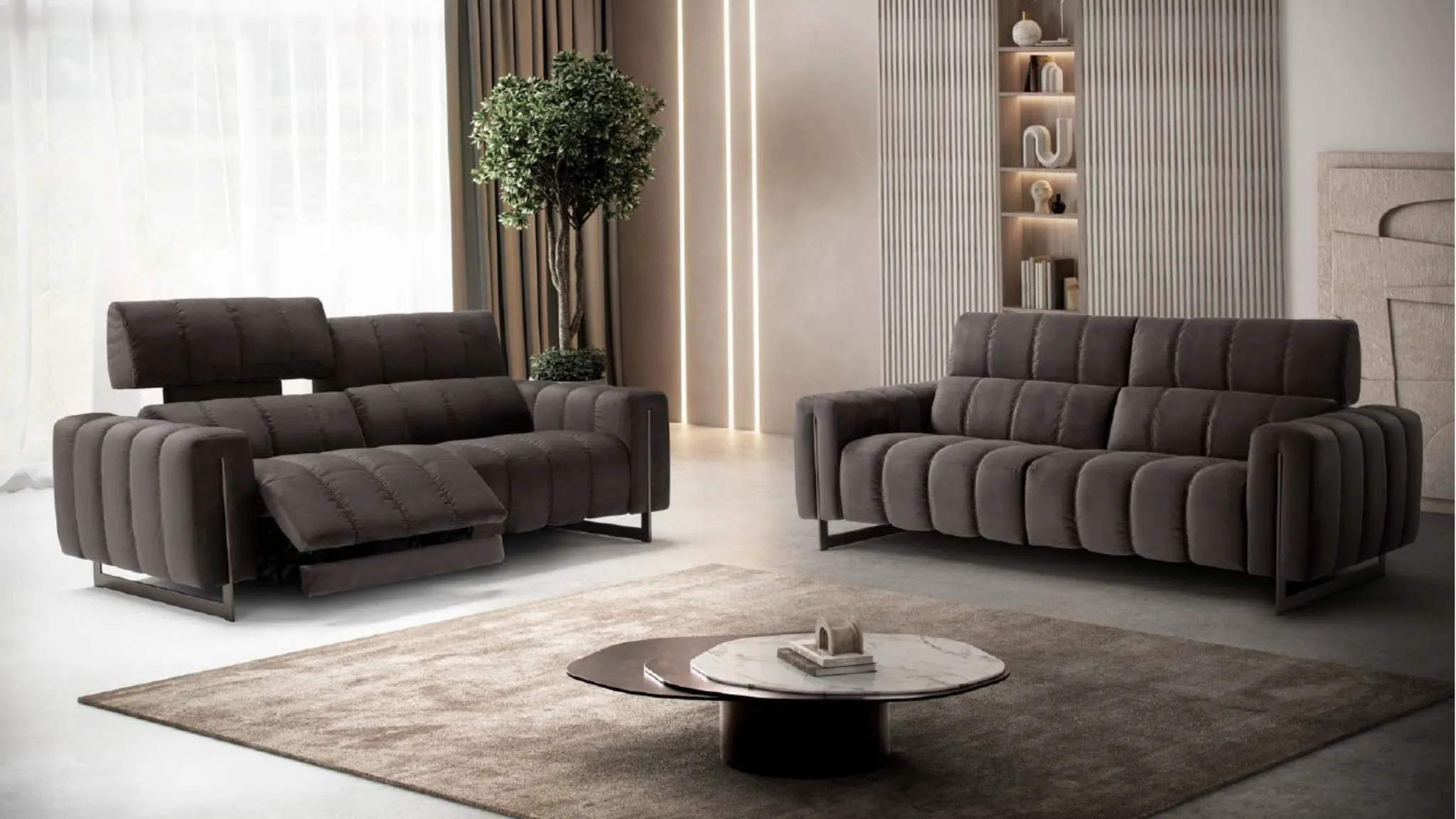
European furniture is defined by proportion, material quality, and silhouettes that remain appealing beyond a single trend. Decorative wall panels give those qualities an architectural setting. Rather than treating a wall as a blank backdrop, paneling introduces rhythm, scale, and depth that helps a carefully selected sofa, dining table, or bed feel integrated into the room.
Traditional molding profiles are especially effective with Italian and European furniture because they echo the language of craftsmanship. A framed panel behind a sculptural console can reinforce its clean geometry, while restrained rectangular molding can give a contemporary sectional a more finished presence. Decorative wall molding and panels can transform a room's aesthetic by adding visible structure and depth.
In a contemporary home, the goal is not to cover every surface with ornament. Wall panels balance minimalism with rich visual texture, allowing a room to feel warm and layered without becoming visually crowded. A softly grained wood panel can temper the sleek profile of a leather sofa. Painted panel molding can add shadow and dimension behind a streamlined dining set without competing with its finish. Textured panels can also create interest without requiring complex art, which is useful when the furniture itself is the focal point.
Choose the panel scale in relation to the furniture. Broad panels suit generous sectionals and substantial dining tables, while narrower framing often works better with compact seating or a tailored bed. Keep the palette connected rather than identical: warm wood, natural stone, matte paint, and rich upholstery can share undertones while retaining contrast. This approach creates cohesion across EuroHome's Living, Eating, and Sleeping spaces.
Use the wall as part of the overall composition, then add only the accessories that support it. Explore EuroHome's decorative accessories collection for finishing pieces, and review this guide to European wall art and mirror placement before positioning artwork on or beside a paneled wall.
The most successful decorative wall panels respond to the way a room is used. Consider the room's function, natural and artificial light, and the scale and finish of your existing furniture before choosing a profile or coverage plan. Architectural detail can elevate a compact space, while a larger room benefits from a considered focal point rather than treatment on every wall.
In a living room, use paneling behind the sofa, media console, or fireplace to establish a visual anchor. A full wall of slim vertical panels can add height and warmth, while a framed molding layout creates a more tailored European character. Keep the panel finish aligned with the furniture:
In a bright room, deeper tones or dimensional textures can prevent the wall from feeling flat. In a darker room, lighter paint and restrained profiles will preserve openness.
Dining rooms are natural settings for wainscoting because a defined lower wall gives the table and chairs a structured, sophisticated backdrop. Choose a chair rail and panel height that relates to the room's proportions, then finish the upper wall in a complementary tone. This approach adds elegance while helping protect the wall in a high-traffic entertaining space. For a formal dining suite, traditional rectangular panels can echo the lines of a crafted wood table. In a contemporary setting, simplified molding or a tonal finish keeps the architecture crisp rather than ornate.
Make the wall behind the bed the primary paneling location. A full-height treatment can visually frame the headboard, while textured or upholstered-looking panels introduce softness without requiring an oversized artwork. Select low-contrast finishes for restful rooms, especially where daylight is limited or bedside lighting creates strong shadows. For ideas on balancing task, ambient, and accent light, pair the treatment with this guide to layered bedroom lighting. The right illumination can reveal panel depth after sunset without making the room feel busy.
In an entryway, molding can turn a narrow passage into a memorable arrival. Use a durable lower treatment, a mirror-friendly frame, or vertical detail to give the area architectural presence. Keep the finish coordinated with the console, bench, and flooring so the paneling feels integrated rather than applied afterward. In a small foyer, a slim profile and light color maintain circulation and visual ease.
Behind a desk, decorative panels create a composed backdrop for video calls and add character without relying on a gallery wall. Choose a quiet pattern with enough contrast to remain visible on camera, and avoid placing busy relief directly behind your head and shoulders. Side lighting or a discreet wall fixture can emphasize shadow depth; browse lighting fixtures to complement wall paneling for options that support both atmosphere and practical visibility. When the room includes substantial shelving or a statement desk, use paneling on one wall only.
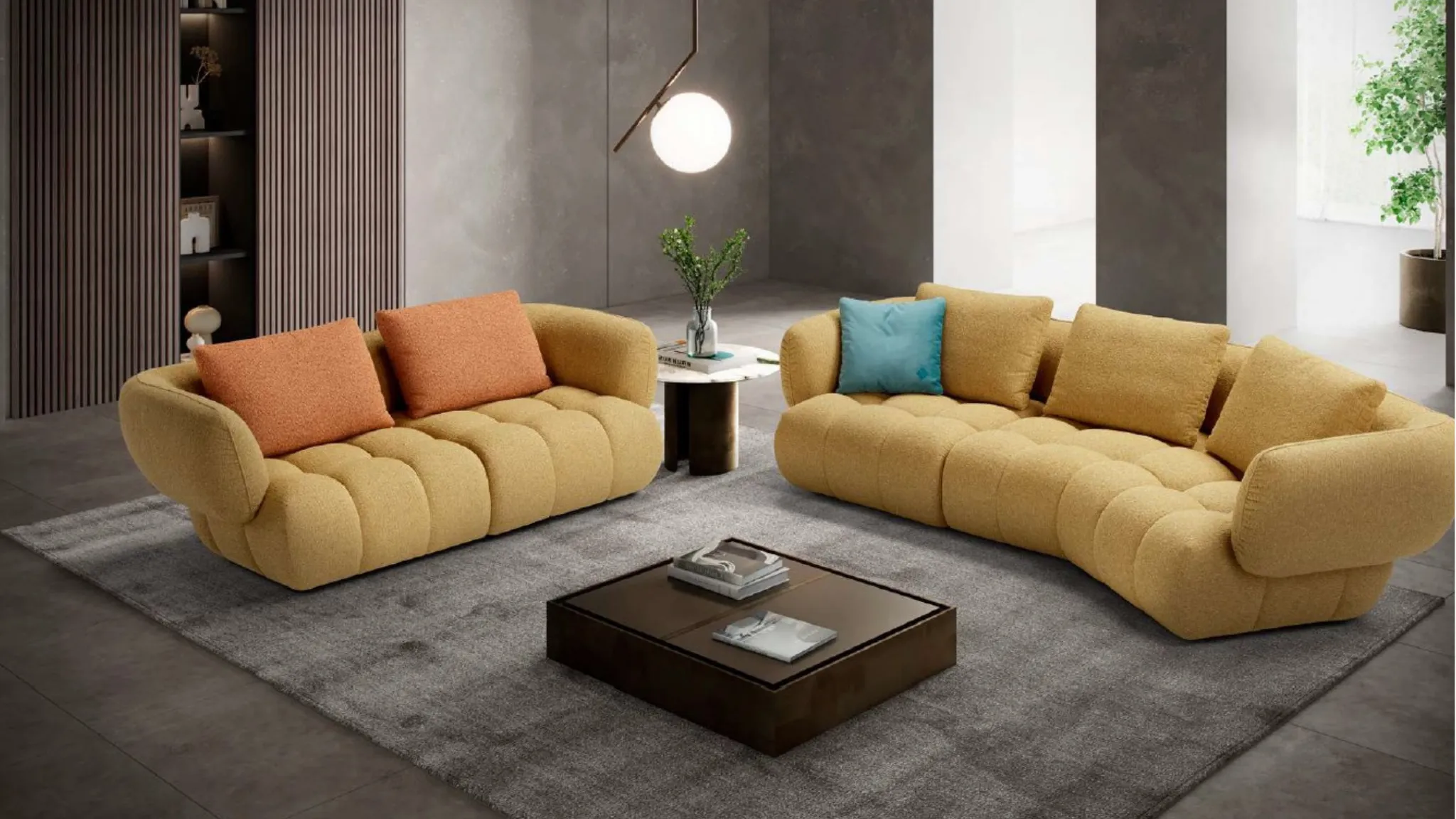
Trim determines whether wall paneling feels quietly architectural or richly ornamental. European-style molding typically draws on traditional silhouettes, giving a room a timeless foundation while leaving room for contemporary furniture and finishes. The most successful approach is to choose profiles that relate to existing door frames, window casings, and the scale of the room.
Crown molding bridges the wall and ceiling, visually completing a paneled room. A restrained stepped profile suits a modern European interior, while a deeper, more sculpted design creates a formal dining room or salon effect. When wall paneling is paired with ceiling molding, the two details should share a similar proportion rather than compete for attention.
Chair rail establishes a horizontal break, often setting the upper limit for wainscoting or framing a lower wall treatment. It gives dining rooms, hallways, and entryways a defined rhythm while helping protect the wall in high-traffic areas. Baseboard anchors the composition at floor level and can echo the chair rail with a simpler or more substantial profile. Together, these elements make decorative wall panels feel integrated rather than applied.
A picture rail adds a subtle architectural line where artwork can be displayed without repeatedly disturbing the wall surface. Panel molding creates individual rectangles, squares, or elongated frames across a wall. Use evenly spaced frames for a calm, classical effect, or introduce dynamic lines and bold grid patterns for a more graphic interpretation.
Custom wall molding allows the proportions, spacing, and profile to reflect your personal style. Consider a traditional outline in a crisp contemporary color, or a tonal finish that emphasizes shadow and depth without visual clutter. For added reflection and light, pair the framework with decorative mirrors and wall accents.
No. The most current approach uses paneling selectively, with clean proportions, restrained color, and materials that complement the room. Traditional molding silhouettes can feel distinctly European and timeless, while textured panels add depth to contemporary interiors without making the space feel busy. The key is to match the scale and finish to your furniture, lighting, and room function.
Choose the material according to the atmosphere you want to create. Wood brings natural warmth and texture, while painted panel molding or wainscoting provides architectural structure. Leather, stone, and other tactile finishes can create a richer focal point when used thoughtfully. European-inspired rooms generally benefit from one cohesive panel treatment rather than several competing patterns.
Begin by measuring the wall, locating studs and outlets, and planning panel spacing around doors, windows, and furniture. The wall should be clean, sound, and as level as possible. Lightweight trim may suit a straightforward project, but complex layouts, uneven walls, electrical obstacles, or premium materials are better handled by an experienced installer. Test the layout with removable guides before applying adhesive or making cuts.
Start with the room's function, available light, and existing furniture style. Use durable, easy-care treatments in busy areas, and consider warmer or more tactile finishes in living and sleeping spaces. Paneling can define a dining area, create a focal wall in a larger room, or add visual height and character to a small entryway. Lighting also matters because it reveals texture and molding shadows.
Yes. Minimal panel layouts, tonal paint, slim profiles, and carefully selected textures can add character without undermining a modern aesthetic. Pair the treatment with simple silhouettes and leave enough visual space around it. This creates the balance of clean lines and rich texture that makes contemporary European interiors feel warm rather than stark.
Schedule a design consultation with EuroHome Interiors to explore panel materials, molding profiles, and placement that fit your space and style.
Thoughtful decorative wall panels and molding can give a room a more finished architectural character while supporting the furniture and atmosphere you already love. To explore proportions, materials, and placement that suit your space, schedule a design consultation with EuroHome Interiors. Our team can help you shape a cohesive look that feels refined, comfortable, and distinctly yours.

