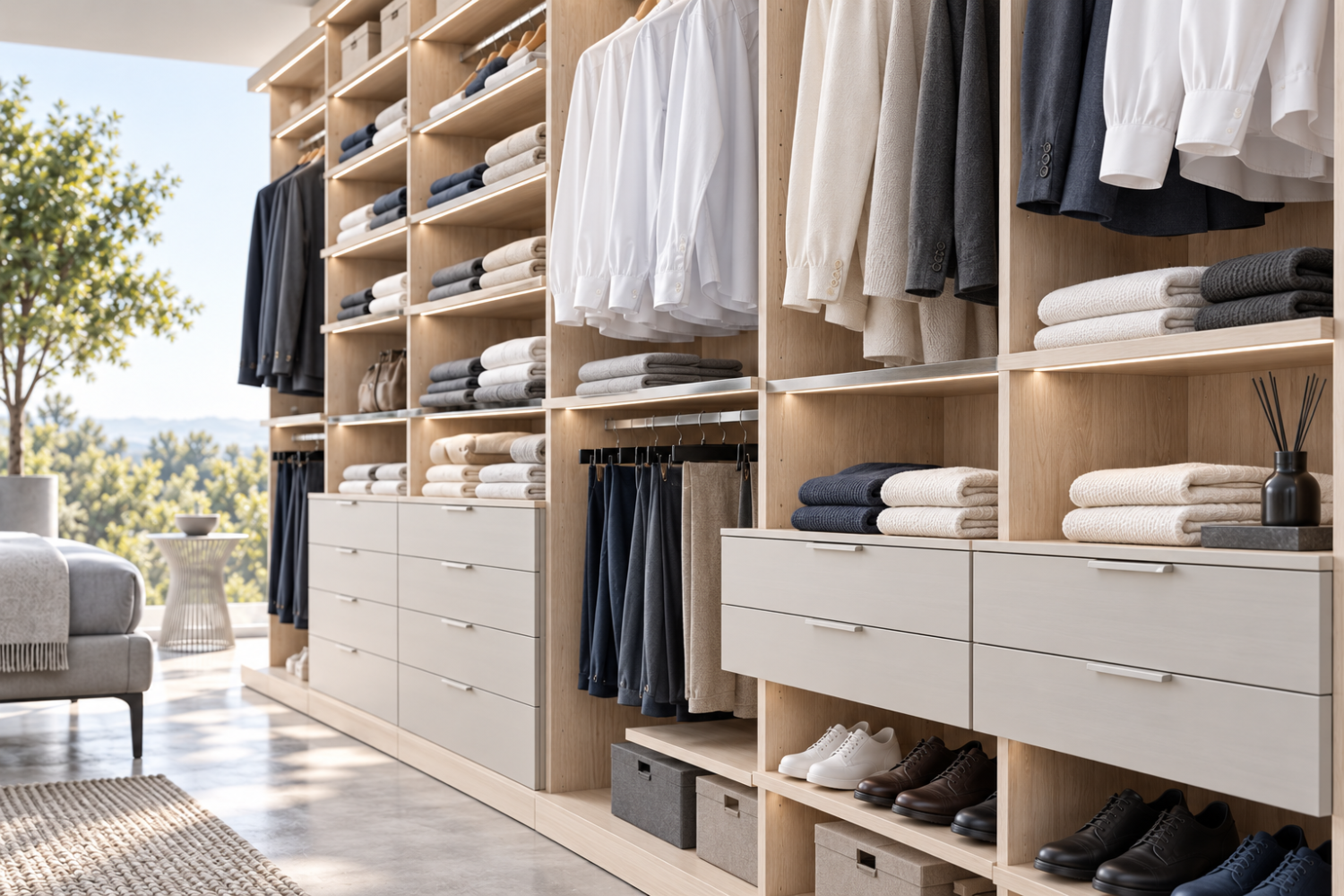
A well-planned closet does more than hold clothing. It gives every garment, shoe, and accessory a considered place, while making the bedroom feel calmer and more refined. For a modern home, the best storage balances practical capacity with the proportion, materials, and craftsmanship you expect from European furniture. That is why so many homeowners now plan their bedroom around considered closet systems.
Whether you are upgrading a reach-in closet or shaping a complete dressing area, start by understanding how these systems work. That foundation makes it easier to choose storage that feels as intentional as the rest of your bedroom.
Book your free design consultation to turn your storage goals into a cohesive, European-crafted closet system.
A closet system is an organized framework of shelves, hanging rails, drawers, towers, and accessories designed to make better use of a wardrobe or dressing area. Instead of relying on a single rod and shelf, it assigns a practical place to different types of clothing and personal items. The result can be easier access, a calmer bedroom, and storage that feels intentionally designed rather than added as an afterthought.
Closet systems are right for you if your wardrobe feels crowded, difficult to access, or poorly matched to your routine. Choose a modular system when you want adjustable towers, shelves, hanging sections, and drawers that can evolve over time. Choose a custom system when you need precise dimensions, elevated finishes, or specialized features. Start by measuring your space and listing what you actually store.
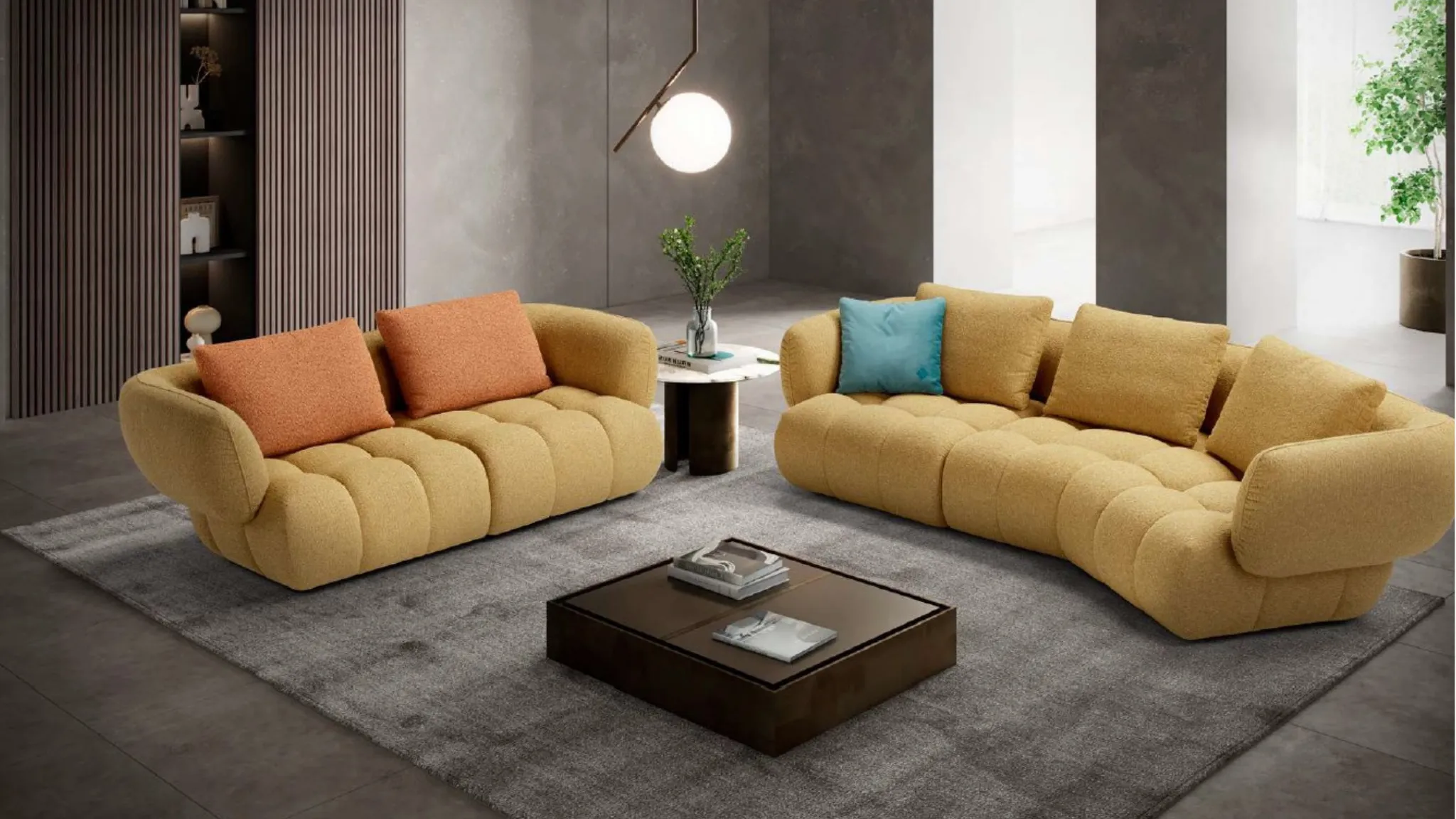
Modular systems are built from coordinated sections that can be selected according to the width of the room and the way you use it. You might combine a double-hanging section for shirts and trousers with drawers for folded clothing, open shelves for shoes, and a taller tower for less frequently used pieces. Because the components are planned section by section, the arrangement can be more purposeful than a standard wire kit while remaining adaptable.
This approach suits homeowners who want meaningful customization without committing to a fully built-in installation. It is especially useful in a guest room, secondary bedroom, or rental where storage needs may change. A cohesive finish and carefully chosen proportions can still give a modular arrangement a polished, European-modern appearance.
Custom closets are designed around the room, the architecture, and the owner's wardrobe. They can accommodate unusual dimensions, sloped ceilings, deeper storage needs, or a preference for concealed cabinetry. Specialized accessories, such as velvet-lined jewelry drawers and pull-out hampers, bring a level of convenience that standard components rarely provide.
For a more furniture-led solution, explore EuroHome's modern dressers for luxury bedrooms. EuroHome offers European-crafted furniture with clean lines, refined finishes, and the balance of comfort and function expected from a well-considered bedroom. The right choice depends on more than available space. Consider how long you plan to stay, what you store, and whether the closet should blend quietly into the room or become a defining design feature.
The cost of a closet system depends on the size of the space, the materials, the level of customization, and whether professional design and installation are included. A practical way to budget is to think in tiers rather than expect one universal price.
Basic modular wire systems can start at under a few hundred dollars. They are a sensible choice for a rental, a secondary closet, or a straightforward storage refresh. Laminate or melamine systems with towers, drawers, adjustable shelving, and dedicated hanging sections generally move into the low thousands as the footprint and features grow.
Fully custom wardrobes and European-built walk-in systems typically reach several thousand dollars. The investment reflects more than the visible cabinetry. It may include a layout developed around your wardrobe, refined finishes, integrated accessories, premium hardware, delivery, and installation. As a broad market reference, California Closets presents system levels from roughly $1,900 to more than $10,900. These figures are not EuroHome pricing, but they illustrate how widely a project budget can vary.
To compare proposals fairly, ask what each estimate includes. Confirm the material specification, number and type of drawers, hanging capacity, lighting, doors, delivery, installation, and any required wall preparation. A lower initial price may not represent the same finished result if essential components are excluded.
It is also helpful to consider the value of the space over time. Remember that the bed itself can contribute storage too, which is why many buyers pair a closet plan with a modern upholstered bed with storage. A well-organized closet can make a bedroom easier to use, protect the visual calm of the room, and appeal to future buyers. Storage is a sought-after feature, so a thoughtfully designed system may contribute to a home's resale value without relying on a guaranteed return.
For a bedroom with a strong architectural or design identity, explore EuroHome's bedroom dresser collection as you compare finishes and configurations. The right choice should fit both your storage habits and the standard of the surrounding interior.
The most useful closet systems are planned around how you dress, not simply how much wall space is available. Dividing the interior into clear zones makes every garment easier to see, reach, and return to its proper place. A balanced layout typically includes six functional areas.
The result is a closet that feels calm because each category has a deliberate home. Place daily essentials between waist and eye level, use drawers for items that benefit from concealment, and reserve the highest shelves for belongings you need only occasionally.
Neither approach is universally better. The right choice depends on the room, the wardrobe you own, and how precisely you want storage to fit your lifestyle. A custom European wardrobe is designed around the architecture and visual language of your bedroom. A modular closet system offers a practical framework configured section by section. It is easier to select the hanging, drawer, tower, and shelf combination you need.
| Consideration | Custom European Wardrobe | Modular Closet System |
|---|---|---|
| Fit and aesthetics | Built around the room's dimensions, architectural details, and desired design direction. Finishes and proportions can create a seamless furniture statement. | Uses coordinated, repeatable components that fit many rooms. It delivers a polished look, though unusual walls, corners, or ceiling heights may require compromises. |
| Materials and finishes | Offers a broader design conversation around premium panels, hardware, doors, lighting, and finishes that complement the rest of the bedroom. | Provides a defined selection of materials and finishes, allowing a cohesive result without the same level of specification. |
| Cost | Typically represents the larger investment because design, fabrication, materials, and installation are tailored to the space. | Often provides a more accessible starting point, with the ability to add sections as storage needs develop. |
| Installation | Professional installation accounts for the room, door clearances, utilities, and final alignment, creating a finished built-in appearance. | Installation is generally more straightforward, especially when the room has standard dimensions and accessible walls. |
| Customization | Can accommodate specific garment lengths, accessories, drawers, lighting, and difficult spaces. Standard hanging depth is about 24 inches, but a custom plan can adapt around tighter areas. | Lets you select sections for hanging, drawers, shelves, and towers. Sliding doors are especially useful when a smaller footprint leaves little room for swing clearance. |
| Longevity | Designed as a durable, enduring part of the room, with details selected for long-term use and a consistent interior aesthetic. | Can serve reliably for years, while its reconfigurable format makes updates or expansion easier when your wardrobe changes. |
Choose custom when the closet is a defining part of the bedroom, the room has challenging dimensions, or the finish must feel fully integrated. Choose modular when flexibility, phased investment, and simpler configuration matter most. For a freestanding alternative with substantial visual presence, explore EuroHome's chest storage collection.
The best closet systems begin with a thoughtful plan rather than a collection of shelves. European design treats storage as part of the room's architecture: every section should support the way you dress, move, and live. Use this process to create a layout that feels composed, practical, and genuinely tailored to your wardrobe.
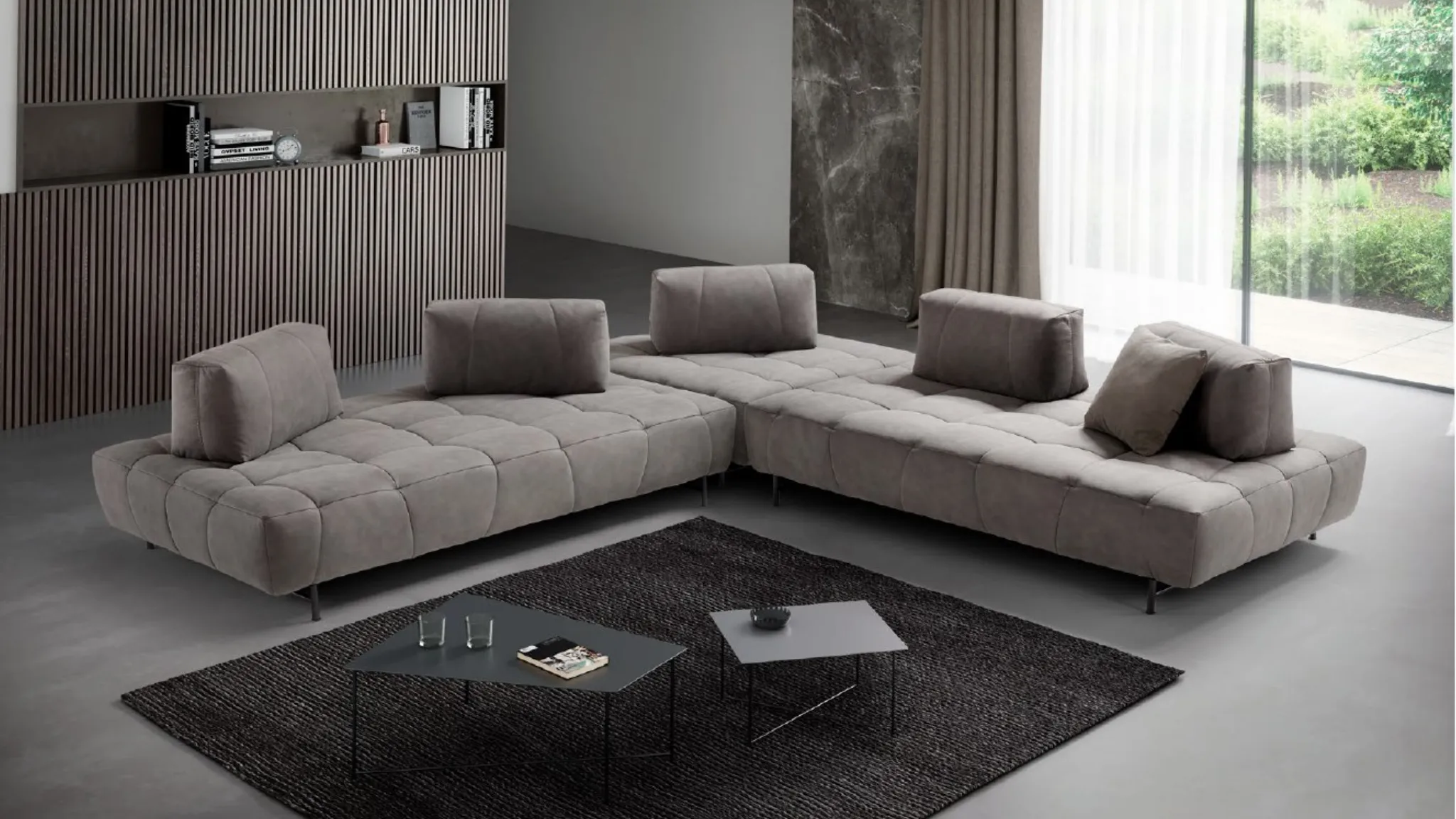
Begin by taking everything out and sorting garments by type, length, frequency of use, and season. Note what needs hanging space, what folds well, and which accessories deserve dedicated storage. Be honest about what you no longer wear. This inventory prevents you from designing around an imaginary wardrobe and helps identify useful additions, such as bedroom dressers for folded clothing or accessories.
Record the full width, height, and depth of the available wall, along with doors, windows, outlets, switches, baseboards, and any sloped ceilings. Then divide the layout into clear zones: short hanging, long hanging, folded items, shoes, accessories, and less frequently used pieces. Use vertical space thoughtfully, while keeping everyday essentials within comfortable reach. A European-inspired arrangement should feel balanced, not densely packed.
Select a consistent palette that complements the bedroom instead of treating the closet as an afterthought. Wood tones, refined laminates, and carefully chosen hardware can make the system feel like fine furniture. Include adjustable shelves where your wardrobe may change, and consider soft-close drawer mechanisms. They reduce slamming and mechanical wear, helping the drawers perform beautifully over time. Pulls and handles should feel substantial in the hand and repeat finishes used elsewhere in the room.
Integrated LED lighting improves visibility inside shelves and hanging areas while adding a quiet layer of polish. Plan fixtures so they illuminate the contents without creating glare, and account for existing electrical points before installation. For the room beyond the closet, our bedroom lighting ideas guide shows how to layer light for a calm, polished feel. Safety matters too. Anchor tall units and heavy components to the wall following the manufacturer's guidance, so every tower and drawer stays stable and family-safe.
Before committing to materials or fabrication, use a 3D design service to test proportions, finishes, clearances, and storage capacity. EuroHome combines 3D visualization with white-glove installation, giving you a clearer sense of the finished room before work begins. Start with a free design consultation so your measurements, habits, and aesthetic preferences can become one cohesive plan.
A well-designed closet system should become easier to use over time, not gradually disappear beneath an accumulation of rarely worn pieces. A simple seasonal rhythm keeps the space polished and protects both the furniture and the garments it holds.
At the beginning of each season, move current clothing into the most accessible hanging sections, drawers, and shelves. Store out-of-season pieces in higher compartments or less frequently used zones, using breathable containers rather than compressing delicate garments for long periods. This keeps daily-use items within easy reach while reducing unnecessary searching and handling. Adjustable shelving makes the arrangement easier to refine as garment lengths and wardrobe needs change.
Cedar-lined drawers and shelves add a subtle, natural scent and can help deter moths from valuable wool garments. Refresh cedar according to the manufacturer's care guidance, and avoid placing damp clothing inside any drawer or closed compartment. Leave enough space between stored pieces for air to move. The EPA recommends controlling moisture and improving ventilation as part of mold prevention, which is especially relevant in enclosed storage areas. Read the EPA's mold prevention guidance when planning ventilation for a closet near a humid bathroom or exterior wall.
Before adding another module, edit what you own. Remove damaged items that will not be repaired, donate pieces that no longer fit your lifestyle, and relocate sentimental clothing that does not need daily access. Regular editing prevents storage overload and lets the proportions of your storage furniture work as intended. For lighter-duty storage in other rooms, see our guide to European bookshelf ideas for elegant storage.
For light maintenance, dust shelves and drawer interiors with a soft, dry cloth, then use only a cleaner approved for the finish. Wipe spills promptly, check that hinges and drawer runners remain aligned, and do not overload shelves beyond their designed capacity. Keep doors and drawers closing gently rather than forcing them around crowded contents. These small habits preserve the clean lines, smooth operation, and quiet luxury that make a closet system feel like considered bedroom furniture.
When you are ready to design storage that truly fits your home, book your free design consultation with EuroHome.
The best system matches your clothing volume, storage habits, room dimensions, and preferred finish. Adjustable hanging rails, shelves, and drawers provide flexibility, while a custom European wardrobe creates a more integrated, furniture-grade result. Review EuroHome's guide to bedroom interior design for ideas that pair smart storage with the rest of the room.
Cost depends on the room size, materials, hardware, lighting, doors, and degree of customization. A simple modular solution may suit a tighter budget, while a bespoke walk-in or built-in wardrobe includes more design work, specialized components, delivery, and installation. Request a project estimate after your space and storage priorities have been assessed.
A closet system is an organizational framework of rails, shelves, and drawers installed inside an existing closet or alcove. A wardrobe is a freestanding or built-in furniture unit with its own structure and doors. The right choice depends on whether you want concealed storage, architectural integration, or a flexible internal layout.
Begin by listing what you need to store, then divide the room into zones for short and long hanging, folded clothing, shoes, and accessories. Add adjustable components, effective lighting, and a practical dressing surface such as a bench or island. A 3D visualization helps confirm that the proposed layout fits the room before installation.
Yes. EuroHome Interiors offers custom wardrobes, walk-in closet systems, and bespoke built-in storage projects through its Sleeping collection. The service can include space planning, 3D visualization, and white-glove delivery and installation, giving homeowners a coordinated path from concept to finished bedroom storage.
A thoughtfully planned closet can bring order to your bedroom while giving the space a refined, European-crafted feel. EuroHome can help you translate your storage needs, preferred finishes, and daily routines into a cohesive design that complements the rest of your home.
Book your free design consultation and take the next step toward a more considered closet system.


