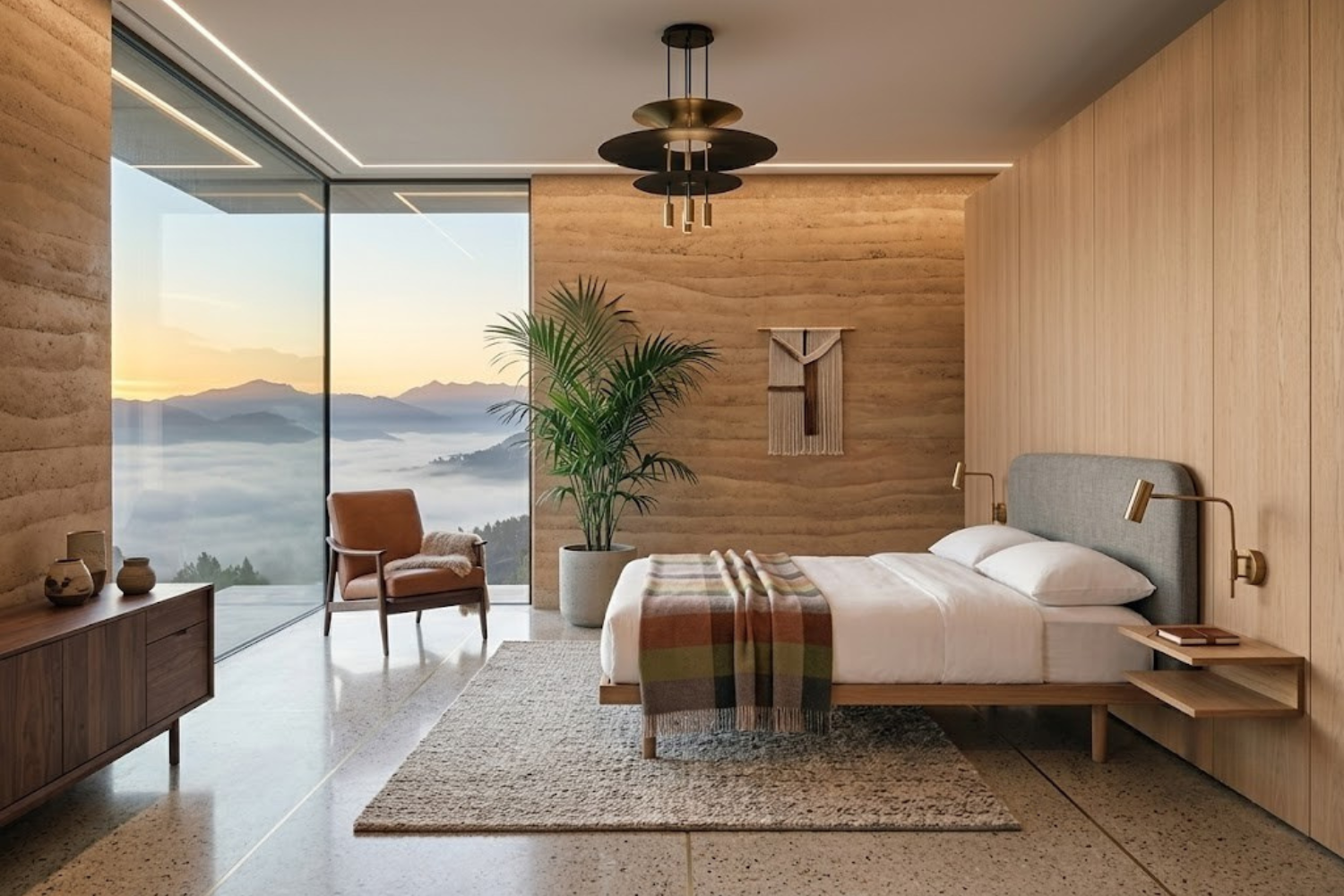
Pairing luxury Italian sofas with minimalist Scandinavian tables creates a home that feels both grand and cozy. This blend brings together the best of European design heritage.
Call (610) 477-7760 to schedule a free design consultation and explore how EuroHome Interiors can help you blend Italian luxury with Scandinavian simplicity.
Mixing Italian and Scandinavian furniture requires balancing Italian opulence (rich leather, marble, sculptural forms) with Scandinavian restraint (light wood, clean lines, natural textiles). Start with a neutral color base, choose one statement Italian piece per room, and surround it with functional Scandinavian elements. Layer textures through wool throws, linen curtains, and leather accents to bridge both aesthetics.
This guide covers the key principles for blending these two iconic European styles. You will learn how to pair bold Italian silhouettes with understated Scandinavian function, select complementary colors and materials, and avoid the common pitfalls that make a mixed-style room feel disjointed. EuroHome Interiors brings you direct access to both Italian and Scandinavian collections, making it easy to curate a space that reflects your personal taste.
Italian design emphasizes drama, luxury materials, and sculptural forms. Scandinavian design prioritizes function, natural light, and clean simplicity. Understanding these distinct philosophies is the first step to blending them successfully.
Italian and Scandinavian design emerged from different cultural values, and those differences are exactly what make them so compelling together. Italian furniture makers have spent centuries perfecting the art of la bella figura — the beautiful impression. This philosophy values bold statements, rich materials, and pieces that command attention. A EuroHome Italian leather sofa from our Living collection exemplifies this approach: deep leather, refined tailoring, and a commanding silhouette.
Scandinavian design grew from a different root entirely. Emerging from the Nordic regions in the 1950s, it centers on form follows function. Arne Jacobsen and Alvar Aalto pioneered furniture that served everyday life first. Light woods like beech and birch, wool textiles, and clean silhouettes create spaces that feel open and calm. The goal is not to impress but to improve daily living through thoughtful design.
When you understand these distinct philosophies, you can mix them with intention rather than accident. Italian design brings emotional warmth and visual drama. Scandinavian design provides grounding and livability. Together they create rooms that are both beautiful and functional — precisely what today's homeowners want. At EuroHome Interiors, our design center experts regularly help Philadelphia area clients balance these two aesthetics in a single cohesive room.
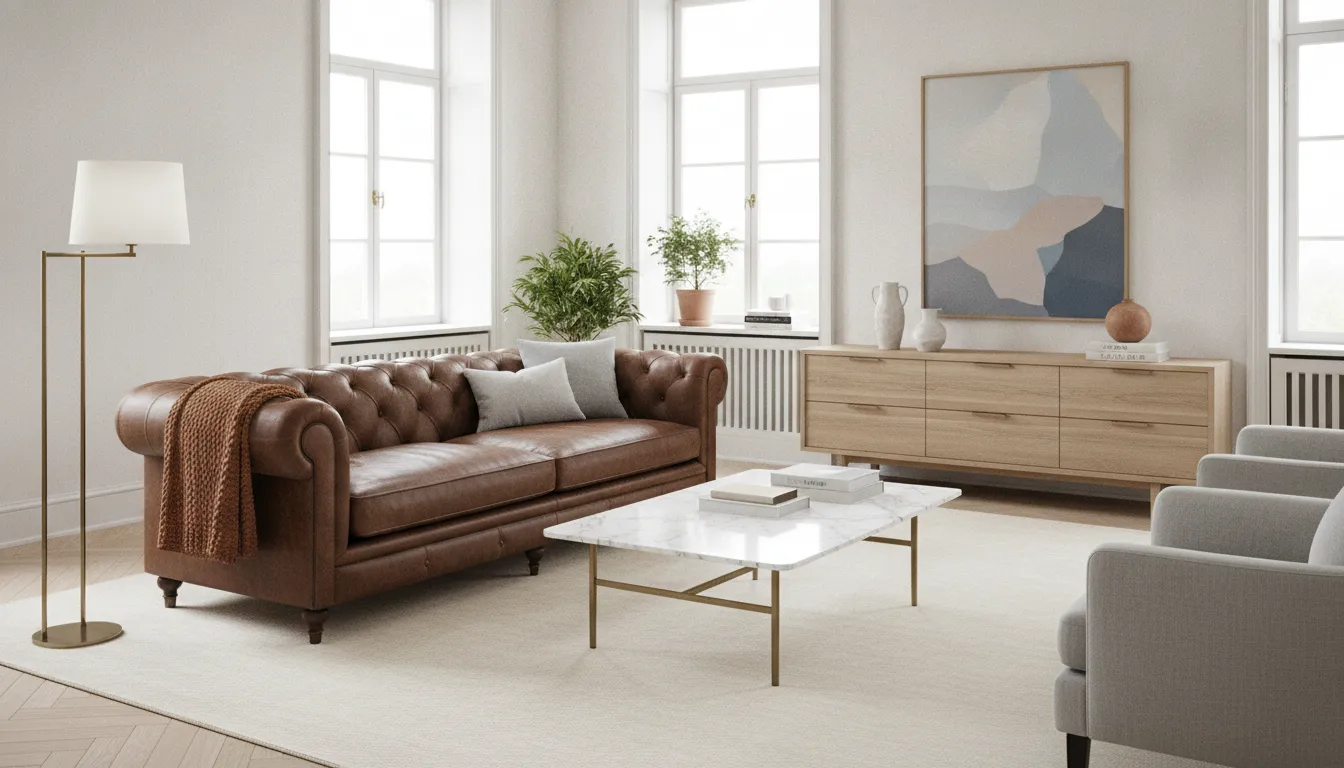
Balance comes from choosing a dominant style (usually Scandinavian as the base) and using Italian pieces as accents. Follow the 80/20 rule: let clean Scandinavian lines define the space, then add one or two Italian statement pieces for contrast and luxury.
The most successful mixed-style rooms follow a simple principle: one style anchors, the other accents. This prevents visual chaos. For most homes, Scandinavian design works best as the foundation because its neutral palette and clean lines are more forgiving. Italian pieces then become the focal points that add personality and luxury.
Begin with light walls, natural wood flooring, and simple window treatments. This creates a blank canvas that lets Italian pieces shine without competing. A pale gray sofa or a light oak dining table from our Scandinavian-inspired Eating collection establishes a calm base. From there, you introduce Italian character through select investment pieces.
Choose one Italian piece per room to serve as the visual anchor. In a living room, this might be a EuroHome marble coffee table with its dramatic veining. In a dining room, a sculptural Italian pendant light draws the eye. The rest of the room stays restrained, letting that single piece speak. This approach mirrors how professional interior designers work — curated restraint, not maximalism.
EuroHome Interiors offers a European furniture collection that spans both Italian and Scandinavian styles, making it easy to find complementary pieces under one roof. Our designers can help you identify which Italian statement pieces will work best with your existing Scandinavian base.
Neutral color schemes create the bridge between Italian and Scandinavian design. Layer warm beige, soft gray, and cream tones, then add texture through wool, linen, leather, and marble to give the room depth without visual clutter.
Color is where Italian and Scandinavian design can clash or harmonize. The solution lies in a shared neutral vocabulary. By choosing colors that work in both palettes, you create visual continuity that allows the stylistic differences to feel intentional rather than accidental.
Warm neutrals are the safest bridge. Colors like warm beige, mushroom gray, and cream appear in both Italian and Scandinavian interiors. Use these as your wall and large-furniture colors. Then introduce contrast through accessories: deep navy throw pillows (Italian drama) against a pale linen sofa (Scandinavian simplicity). Accent colors like terracotta, olive green, and mustard yellow belong to both traditions and work beautifully as secondary tones.
Texture does the heavy lifting in a mixed-style room. Italian design brings smooth, refined surfaces: polished marble, glove-soft leather, glossy ceramics. Scandinavian design brings natural, tactile surfaces: chunky wool knits, rough linen, unfinished wood. Layering these textures creates richness without adding visual clutter.
Try placing a chunky Scandinavian wool throw over a sleek Italian leather armchair. Set a rough ceramic vase on a polished marble console table. The contrast between textures tells the story of two design traditions coming together. EuroHome carries pieces from both design languages in our Living collection, allowing you to experiment with these combinations in person.
Choose furniture that bridges both styles: a light wood Scandinavian dining table paired with Italian leather dining chairs, or a minimalist Scandinavian bed frame with an Italian velvet headboard. The contrast between materials creates the eclectic look you want.
Some pieces naturally belong to one tradition, but the magic happens at the intersection. The table below shows how to pair specific furniture categories to achieve a cohesive mixed-style room.
| Furniture Type | Best Italian Option | Best Scandinavian Option | How to Combine |
|---|---|---|---|
| Sofa | Deep leather with rolled arms | Pale linen with clean lines | Use Scandinavian linen sofa as base, add Italian leather accent chair |
| Coffee Table | Polished marble with metal base | Light oak with tapered legs | Italian marble table as centerpiece, Scandinavian oak side table |
| Dining Set | Glass-top table with chrome legs | Solid wood table with simple chairs | Scandinavian wood table, Italian upholstered chairs |
| Bedroom | Tufted velvet headboard | Plywood or slatted bed frame | Simple frame + Italian headboard as statement piece |
| Storage | Lacquered credenza with gold hardware | Open shelving in light wood | Italian credenza anchors wall, Scandinavian shelves add function |
Start with the largest piece in the room and let it set the tone. If your sofa is Scandinavian in style, your coffee table should introduce Italian character. If your dining table is Italian marble, keep the chairs light and Scandinavian. EuroHome Interiors can help you find the right anchor pieces for your specific room dimensions and style preferences. Our Philadelphia showroom displays both aesthetics side by side, giving you a real-world view of how they interact.
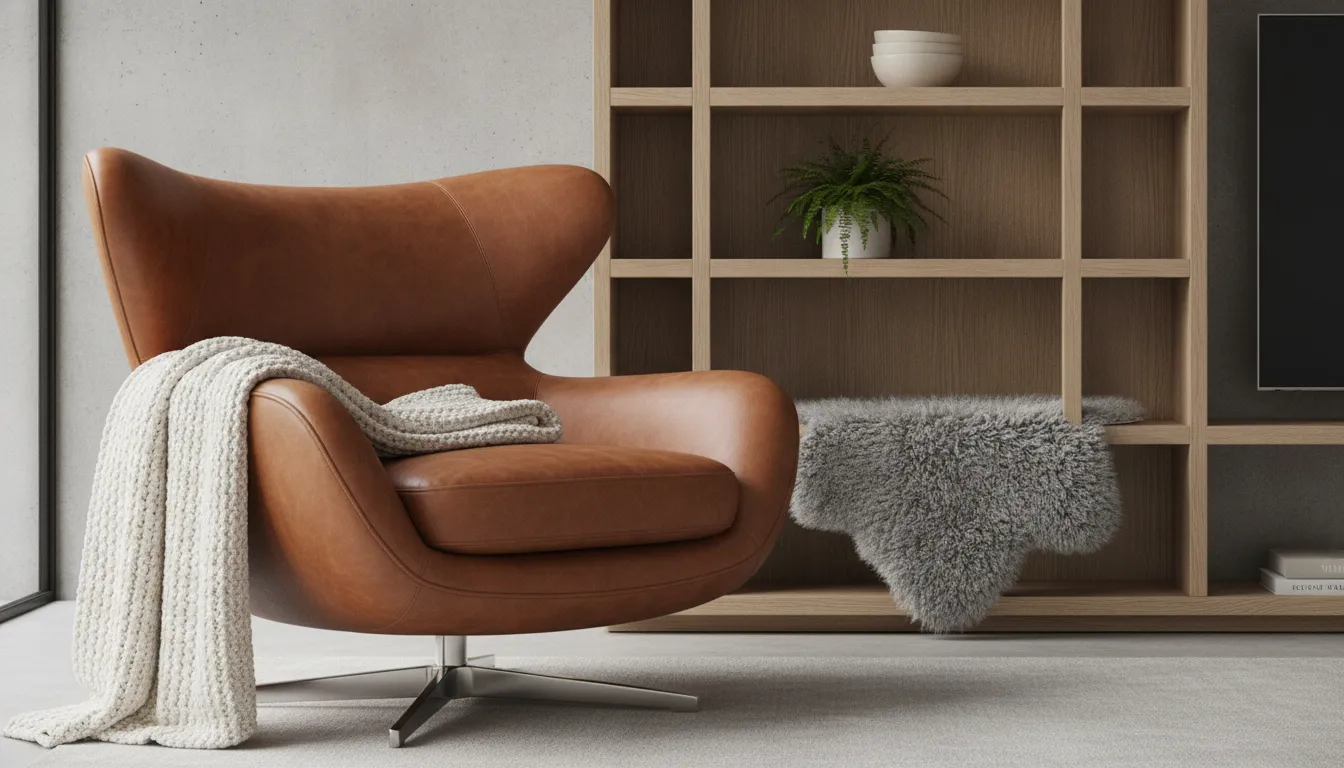
Use layered lighting to bridge both styles: Italian sculptural pendant lights as focal points, Scandinavian floor lamps for soft ambient glow. Arrange furniture to create conversation zones that balance Italian drama with Scandinavian comfort.
Lighting may be the single most important element in a mixed-style room. It sets the mood, defines zones, and can either highlight or hide the contrast between your Italian and Scandinavian pieces. A thoughtful lighting plan makes the blend look intentional rather than accidental.
Start with ambient light from Scandinavian-style fixtures: paper pendants, simple drum shades, or recessed lighting that washes walls with soft glow. Add task lighting where needed — a sleek floor lamp beside a reading chair. Then introduce accent lighting with Italian flair: a sculptural Murano glass chandelier, a brass arc lamp, or sconces with dramatic shapes.
This layered approach lets you control the mood throughout the day. Bright, even light during daytime activities. Warm, focused pools of light in the evening. The Italian accent fixtures become jewelry for the room, while Scandinavian fixtures handle the practical work of illumination.
Arrange your furniture to create clear zones rather than lining pieces against walls. In an open-plan space, use a Scandinavian rug to define the living area. Place your Italian statement piece at a slight angle to draw the eye. Keep pathways open and uncluttered — Scandinavian design principles applied to the floor plan. The sectional sofa selection guide from EuroHome covers layout strategies that work well for mixed-style rooms.
Avoid overloading a room with too many statement pieces, ignoring scale differences, using competing color palettes, or forgetting about function. The goal is curated contrast, not visual chaos.
Even with the best intentions, mixing these two styles can go wrong. The most common mistakes are easy to anticipate and avoid once you know what to watch for.
Accessories tie the two styles together. Use Italian decorative objects (ceramic vases, gold mirrors, sculptural art) against Scandinavian functional elements (wood trays, woven baskets, simple ceramics). The contrast becomes the design statement.
Accessories are where you can have the most fun with the Italian-Scandinavian blend. They are low-commitment, easy to swap, and highly visible. A few well-chosen accessories can transform a room from a collection of furniture into a curated design statement.
Think of accessories in two groups: Italian decorative pieces that add drama, and Scandinavian functional pieces that add warmth. A large Italian ceramic vase on a Scandinavian wood console table. A sculptural brass mirror above a simple linen sofa. Hand-thrown Scandinavian pottery displayed on Italian lacquered shelving.
The key is repetition. If you use a gold Italian mirror, echo the gold in a lamp base or picture frame elsewhere in the room. If you introduce Scandinavian wool throws, use wool in at least two other places — a cushion here, a rug there. This repetition creates visual rhythm that makes the mix feel planned rather than random. EuroHome's Playing Outside collection also offers outdoor accessories that extend your mixed-style aesthetic to patios and terraces.
Absolutely. The two styles complement each other more than they compete. Italian furniture provides visual drama and luxury, while Scandinavian pieces offer grounding and comfort. The key is choosing a dominant style (typically Scandinavian as the base) and using Italian pieces as accent statements. EuroHome Interiors specializes in helping clients find this balance.
Warm neutrals form the safest bridge. Use beige, warm gray, cream, and taupe as your base palette. Add accent colors from both traditions — terracotta and olive work equally well in Italian and Scandinavian interiors. Avoid directly mixing Italian jewel tones with Scandinavian pastels unless you use a neutral buffer between them.
One per room is ideal. A single Italian marble coffee table or sculptural leather armchair becomes a focal point. Two statement pieces can work if they are in different categories (one furniture, one lighting) and placed on opposite sides of the room. More than two risks visual clutter and undermines the Scandinavian sense of calm.
EuroHome Interiors carries both Italian and Scandinavian-inspired collections under one roof. Our Philadelphia showroom and online store offer a curated selection of sofas, tables, chairs, lighting, and accessories spanning both design traditions. Our design consultants can help you mix and match pieces that work together harmoniously.
Mixing Italian and Scandinavian furniture is one of the most rewarding ways to create a home that reflects your personal style. The contrast between Italian luxury and Scandinavian simplicity produces spaces that are both visually stunning and genuinely livable. EuroHome Interiors has been helping Philadelphia area homeowners craft these eclectic European interiors for years.
Ready to start your design journey? Call (610) 477-7760 or contact us online to schedule your free design consultation at EuroHome Interiors.

