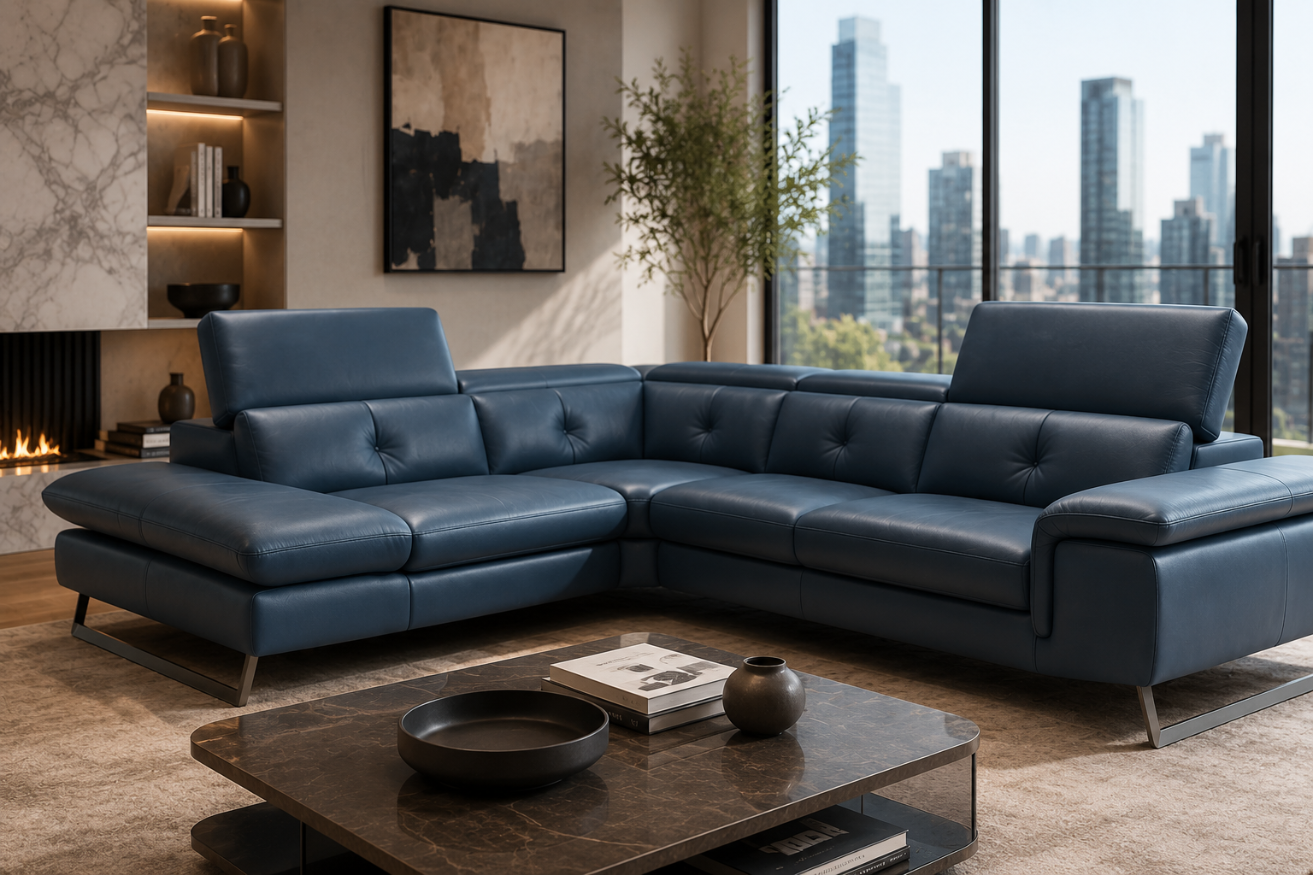
A sleek silhouette can hide the parts that decide whether a sofa ages beautifully. Small shortcuts become expensive after years of daily use. The right comparison starts beneath the surface, with the hide, frame, cushions, and dimensions.
An italian leather sofa is worth comparing as a complete piece, not by leather label alone. Look for clear details about hide grade and finish, a sturdy frame, supportive cushions, and proportions that fit your room and daily habits. Leather is a biobased material derived from animal hides that are food-industry byproducts, according to research published in Materials; its finish and care still shape how it wears. For a modern home, confirm doorway measurements, seat depth, configuration options, sunlight exposure, and approved conditioner guidance before buying. A luxury European sofa earns its premium when refined design, durable construction, comfort, customization, and dependable delivery support align with years of regular use.
The practical question is not whether every Italian sofa costs more, but which details justify the investment in your home. Start by separating a meaningful build difference from a polished sales phrase. What makes an italian leather sofa different? Here's how.
An Italian leather sofa is not defined by a polished surface alone. The main difference is the way the leather, frame, cushioning, and proportions work together. For a shopper, the useful question is not simply whether the sofa is leather. Ask how the hide was selected, finished, upholstered, and matched to the design.
Leather is a natural material made from animal hide. Its main component is collagen, as this peer-reviewed leather study explains. That matters because authentic leather may show small natural variations. A flat, uniform surface is not the only sign of quality.
Italian leather is often valued for its soft hand, texture, and use of skilled tanning methods. When comparing sofas, ask to see the leather sample in person. Look for a clear certificate of origin and an explanation of the finish. Also ask whether the upholstery is leather on every surface or only on the seating areas.
The hide is only one part of the sofa. A well-made Italian leather sofa treats comfort and form as one design problem. The upholstery should sit neatly across the frame. Seams, corners, and cushions should feel considered rather than added after the shape was set.
Italian furniture makers also tend to offer more design choice than a standard stock sofa. EuroHome's modern Italian leather sofas include options that suit contemporary rooms. Depending on the model, choices may include the configuration and finish. That makes the sofa easier to fit into a planned interior.
A generic leather sofa may work when quick delivery and a fixed layout matter most. An authentic Italian option is a better fit when material character, refined proportions, and a tailored layout matter more. The right choice still depends on the room and the way you sit.
Start with measurements, then compare construction and comfort in person. If the room calls for a larger layout, review the same checks used for contemporary leather sectionals. This keeps the buying decision focused on daily use, not the country label alone.
Do not judge an Italian leather sofa by color or softness alone. Start with the product sheet and ask for the leather grade, finish, and country of origin. A useful description should tell you more than "genuine leather." It should also match the sample you handle in the showroom.
Leather is a natural material made mainly of collagen and derived from animal hides, according to a peer-reviewed leather study. That helps explain why two swatches may not look or feel the same. Natural variation is not a defect by itself. The goal is to learn what the maker used and how the surface was finished.
| Leather grade or signal | What to look for | What to ask |
|---|---|---|
| Full-grain leather | Natural surface character may remain visible. | Has the hide surface been sanded or coated? |
| Top-grain leather | Check the finish and sample feel. | What surface work or protective finish was applied? |
| Corrected-grain leather | Look for a more even surface pattern. | How was the surface corrected and finished? |
| Bonded leather | Do not assume it is the same as a hide upholstery. | Is the upholstery bonded leather or cut from hides? |
| Certificate of origin | Ask to review the maker's paperwork. | Where was the leather sourced and finished? |
| Markings, feel, and aroma | Compare the display sofa with the approved swatch. | Which variation should I expect in my sofa? |
A certificate of origin is helpful, but it should not end the review. Ask the showroom team to explain the swatch in plain terms. Look at natural markings, press the surface gently, and note how the sample feels. Aroma can be one signal, yet it should support the paperwork rather than replace it.
Your choice should also fit the room and the way the sofa will be used. Compare the swatch with the options shown among EuroHome's modern Italian leather sofas. Ask whether a displayed finish is the same finish quoted for your order. If not, request the closest approved sample.
Bring a short checklist before placing an order. Ask where the sofa was made and where the leather came from. Check whether the quoted upholstery covers every seating surface. Confirm the exact color, finish, grade, and care guidance in writing.
If you are comparing layouts, EuroHome's guide to contemporary leather sectionals can help frame the next questions. Finally, ask what natural variation may appear in the delivered sofa. This step keeps the review practical. It also gives you a clear record of the material selected before the order is placed.
Leather is the surface you see and touch, but it is only one part of the sofa. A research review notes that leather is a biobased material made mainly of collagen and comes from animal hides. The frame, support system, and cushions shape how an Italian leather sofa feels during daily use.
Ask what sits beneath the upholstery before comparing colors. The frame should suit the sofa's scale, seat depth, and intended use. Review how the corners and load-bearing points are joined. Then ask how the suspension supports the seat, whether it uses webbing, springs, or another system.
These details are useful when comparing a sofa with a genuine leather sectional. A deep lounge piece may need a different feel than a sofa used for upright conversation. The right choice depends on how you sit, host, and use the room.
Cushions change the first impression and the long-term comfort of a sofa. Ask whether the seat has a firmer core, softer outer layers, or a mix. Also check whether the back cushions are fixed, loose, or shaped for added support.
Try each seat position instead of testing only the center cushion. Sit upright, lean back, and rise from the sofa. Notice whether the seat gives enough support without feeling stiff. If the sofa has a chaise, test that section as well.
A modular layout can help a sofa fit the room instead of forcing the room around the sofa. Compare the number of seats, corner pieces, chaise direction, and open ends. If reclining or motion seats are available, test them in both open and closed positions.
Measure the full path of a motion seat and allow space for walking nearby. For modular pieces, confirm how the sections connect and how the layout will arrive in the room. Doorways, stairs, and the final placement all matter.
EuroHome offers configuration and finish choices for its Italian and Scandinavian furniture, along with white-glove installation in the Greater Philadelphia region. Its professional design guidance can help you compare layouts, comfort details, and placement before making a final choice.
A sofa should anchor the room without crowding it. Start with the room, then test the sofa footprint, access path, and nearby pieces before choosing a configuration. This matters for leather upholstery because leather is a natural hide-based material made mainly of collagen, as described in this peer-reviewed leather study.
Measure the full room first. Mark doors, windows, vents, fireplace edges, media units, and any walkway that must stay open. Note where people enter, turn, and cross the room during a normal day.
Then use painter's tape to show the outer edge of the sofa on the floor. Walk around the taped footprint from each entry point. Open nearby doors and drawers, and check whether the room still feels easy to use.
Follow this process before ordering an Italian leather sofa or sectional. For a deeper look at sectional planning, review EuroHome's guide to contemporary leather sectionals.
Measure the room wall to wall. Record ceiling height and the position of fixed features, not just the open floor area.
Map the main traffic paths. Leave clear walking space around the taped sofa shape, especially near entries and routes to adjoining rooms.
Measure the delivery route. Check the front door, hall turns, stair landings, elevator openings, and the final doorway into the room.
Choose the right format. A straight sofa suits a flexible plan, while a sectional can define an open room and add seats.
Test the chaise direction. Place the chaise where it will not block a doorway, interrupt a walkway, or cut off a useful table.
Count regular seats and guest seats. Choose enough room for daily use, then add occasional chairs if entertaining needs change.
Add the supporting pieces. Check that the coffee table, side tables, floor lamps, and rug work with the taped sofa footprint.
Room scale is more than width. A deep sofa can feel heavy in a compact room, while a small sofa may look lost under a high ceiling. Compare the sofa back, arm shape, and depth with the visual weight of nearby pieces.
Keep the coffee table close enough to reach without squeezing the path around it. A rug should help connect the seating group rather than float between pieces. Browse EuroHome's modern Italian leather sofas to compare sofa and sectional shapes while your measurements are at hand.
For a sectional, tape every return and corner piece separately. This makes the chaise direction, seat count, and table placement easier to judge. It also helps you spot a layout that looks balanced on paper but feels awkward in daily use.
An Italian leather sofa needs gentle, steady care rather than a long list of products. Dust the seats, arms, back, and seams each week with a soft, dry cloth. Use a soft brush attachment for crumbs in the gaps. For more context before you buy, read about Italian leather quality.
Blot spills as soon as they happen. Use a clean, absorbent cloth and press lightly instead of rubbing. For a mark that remains, check the maker's care guide before using a cleaner. Test any approved product on a hidden area first.
Leather is a natural material derived from animal hides, with collagen as its main part. An open-access scientific review describes leather as fully biobased and mainly made of collagen. That helps explain why an even indoor setting and gentle care matter.
Keep the sofa away from direct sun when possible. Avoid placing it next to a radiator, fireplace, or strong heating vent. Curtains or shades can help protect a sofa in a bright room. Rotate removable cushions from time to time so the seating areas age more evenly.
Use only a conditioner approved for the sofa's leather type. A maker may suggest a set schedule, but the right timing depends on the finish and room conditions. Too much product can leave residue. Follow the care guide, apply a light amount, and buff with a soft cloth if directed.
For homes with pets, trim claws and place a throw on the pet's usual seat. Wipe dust and loose hair from seams often. Do not use harsh household sprays, abrasive pads, or unapproved stain removers. A quick response to small mishaps is easier than a later repair.
Some change is normal. Quality leather may develop a softer look and subtle tonal shifts with use. This patina is different from cracking, peeling, or a stubborn stain. If you see damage or an unclear mark, ask the retailer or a leather-care professional before trying another product.
Professional cleaning can be useful when the sofa has a broad stain, ground-in soil, or finish damage. Share the sofa model and leather details when booking service. If you are still choosing an Italian leather sofa, browse modern Italian leather sofas and ask about the care guide for each option.
An Italian leather sofa is worth the investment when it solves more than the need for a place to sit. It should improve the room, support the way you relax, and stay useful through years of daily life. The value comes from the full package: leather quality, frame strength, cushion comfort, design, and service.
That is why a lower price should not be the only comparison point. A sofa that looks right but sits poorly will feel expensive every day. A sofa that fits the room, supports your body, and ages well can feel like the smarter buy over time.
Luxury European seating often makes the most sense when the room needs a specific size, orientation, finish, or comfort profile. A stock sofa can work in a simple room. A custom Italian leather sofa is stronger when the space has an unusual layout, an open floor plan, or a clear design direction.
EuroHome imports Italian and Scandinavian furniture and emphasizes choices such as configuration and finish. That matters because the right sofa is often the one that can be adjusted before the order is placed. A design-led process can help you compare leather samples, seat depth, chaise direction, and room scale at the same time.
The strongest buying decision starts with use. If the sofa will serve as the main seat for family nights, guests, reading, and daily lounging, quality has more value. If it will sit in a spare room with little use, a simpler option may be enough.
For many shoppers, the best next step is to compare a few serious choices in person. Sit in each sofa, review the leather sample, and confirm the full specification. Then look at the room plan with EuroHome's professional design guidance. That keeps the decision focused on fit, not just the appeal of Italian leather.
A well-chosen sofa should feel calm after the purchase, not confusing. If the size, finish, comfort, and care plan all make sense, the investment has a clear purpose. If those details are still unclear, keep asking questions before you buy.
Ask for more than a country name on a sales tag. For an Italian leather sofa, request the manufacturer name, country of manufacture, and any available certificate of origin. Also ask whether the sofa is made in Italy or only upholstered with leather sourced from Italy. These are different details, and the paperwork should make the distinction clear.
The material description matters as well. Leather is a biobased material made mainly from collagen and sourced from animal hides, according to a published leather life-cycle study. Ask the showroom to identify the leather type, color, finish, and care instructions in writing. Natural aroma and markings can support a closer look, but they are not enough on their own.
Review a leather sample before you place the order. Look at it in daylight and beside the other finishes in your room. Note the color, grain, sheen, and hand feel. If you are comparing a sofa with a chaise, this genuine leather sectional guide can help you check fit and construction details.
Then compare the sample code with the written order. The same sofa frame may support several leather options, colors, and configurations. A clear order should show the selected upholstery, finish, dimensions, and orientation. It should also explain whether the quoted lead time changes with custom choices.
A showroom visit is a chance to test details, not just comfort. Ask the consultant to walk through the specification sheet with you. For a custom layout, professional design guidance can help match the documented sofa size and orientation to the room plan.
Take a copy of the final order before leaving a deposit. Keep the leather sample code, finish name, configuration, and expected lead time together. This gives you a practical record for comparing brands without relying on vague claims.
Italian leather can be a strong sofa upholstery choice when the hide, tanning, finish, and construction suit the room. An academic review of Italian leather production describes leather as a collagen-based material derived from animal hides. Ask whether the upholstery is full-grain or top-grain leather, then compare its feel, finish, and care needs.
Ask the retailer for the upholstery specification and country-of-origin details before ordering an Italian leather sofa. Look for a clear leather grade, manufacturer documentation, consistent stitching, and natural variation across the hide. Natural markings can support authenticity, but they are not proof by themselves. Also confirm whether leather covers the entire sofa or only the seating surfaces.
Dust an Italian leather sofa regularly with a soft, dry cloth and keep it away from direct sunlight when possible. Wipe spills promptly, following the manufacturer's care instructions. Use only an approved leather cleaner or conditioner for the sofa's specific finish. Avoid harsh household cleaners, because products suitable for one leather finish may damage another.
An Italian leather sofa may justify a higher price when it combines suitable leather, a durable frame, comfortable cushions, and the right dimensions. The label alone is not enough. Compare the upholstery grade, suspension, frame materials, warranty, and available configurations. A well-chosen sofa is more valuable when it fits daily routines and the room without forcing compromises.
There is no single best maker for every home. Compare Italian leather sofas by leather grade, frame construction, cushion support, scale, warranty, and customization options. A compact apartment may need a tailored two-seat model, while a larger living room may suit a modular sectional. Review swatches and sit on the sofa before deciding whenever possible.
Waiting can leave you comparing attractive sofas without a clear plan for your room, comfort needs, or long-term priorities. Starting now gives you time to review sizes, finishes, configurations, and care needs before you commit to a lasting purchase. With a thoughtful shortlist, you can focus on the Italian leather sofas that suit your space and the way you use it.
Ready to find the right fit? Contact EuroHome for design guidance to shop EuroHome's living room collection or request help choosing your sofa. Start with your room measurements and questions, then request help comparing the options that match your needs. A clear first step can make the final decision easier.

