
Neglecting regular maintenance on fine Italian leather often leads to dry cracks and faded surfaces. Protecting your investment needs a consistent plan that balances gentle cleaning with specialized protection.
Call (610) 477-7760 to schedule a free design consultation and find the perfect Italian leather furniture for your home.
Italian leather furniture care begins with a weekly routine of light dusting. Use a soft, dry cloth to prevent dirt from settling into the natural pores of the material. Because Italian leather is a natural product, it needs pH-balanced cleaners and conditioners made only for leather rather than harsh household soap. According to Iowa State University Extension, these natural materials will never be completely uniform, but regular care preserves their unique texture and strength. Most owners should deep clean and condition their pieces twice a year. This keeps moisture levels high and prevents the hide from drying out or cracking. Quick spill cleanup and protection ensure your luxury pieces remain central for many years. When investing in Italian leather furniture, consistent care protects the beauty and fine craftsmanship of your investment.
While these steps apply to most high-end pieces, your specific approach depends on how the hide was finished. The path to a lasting plan starts with understanding your specific leather type. Identifying your specific leather type is the first step.
Italian leather finishes determine how the material reacts to cleaning. Aniline leather is porous and stains easily, while pigmented leather has a protective coating that resists damage. Semi-aniline sits in between. Always confirm your leather type before choosing a cleaning product.
Every piece of fine Italian leather furniture is a unique investment. These natural hides are not meant to be 100% uniform. Slight changes in texture or color often mark the best quality. When you buy a large sofa, the maker must use multiple hides. These skins will have small natural variations. These marks show that your leather is real and high in grade. But the way you keep these hides clean depends on how the maker finished them.
You must know your leather type before you try to clean it. This is the first step to safe care. Most high-end furniture uses top-grain hides, but the top coat varies. Some leathers are very porous and soak up liquids fast. Others have a thick coat that blocks stains. If you use the wrong product, you might ruin the finish. Check your sales tag or ask your design firm to confirm the leather grade of your piece.
The finish on your leather tells you how it will age and what care it needs. Natural leathers like aniline feel soft but lack a shield. Pigmented leathers use a thick paint layer for top durability. Semi-aniline sits in the middle with a light coat of dye and protection. Use this table to find the best care path for your specific furniture type.
| Leather Type | Visual Features | Durability Level | Best Care Plan |
|---|---|---|---|
| Aniline | Deep color, visible pores, natural marks | Low (Porous) | Gentle dusting only; professional help for stains |
| Semi-Aniline | Soft feel, light dye coat, some shield | Moderate | Light damp cloth; leather-safe cream |
| Pigmented | Uniform color, thick coat, high shine | High | Damp cloth and mild leather soap |
Quality Italian leather requires specialized cleaning products made for hides. Never use harsh soaps or multi-purpose sprays. These can strip the oils and cause the skin to crack. Since your furniture uses natural materials, it must breathe to stay soft. A good care plan keeps the hides flexible for years. It also helps the leather develop a rich look as it ages. For tough spots, it is always best to call a professional cleaner to avoid deep damage.
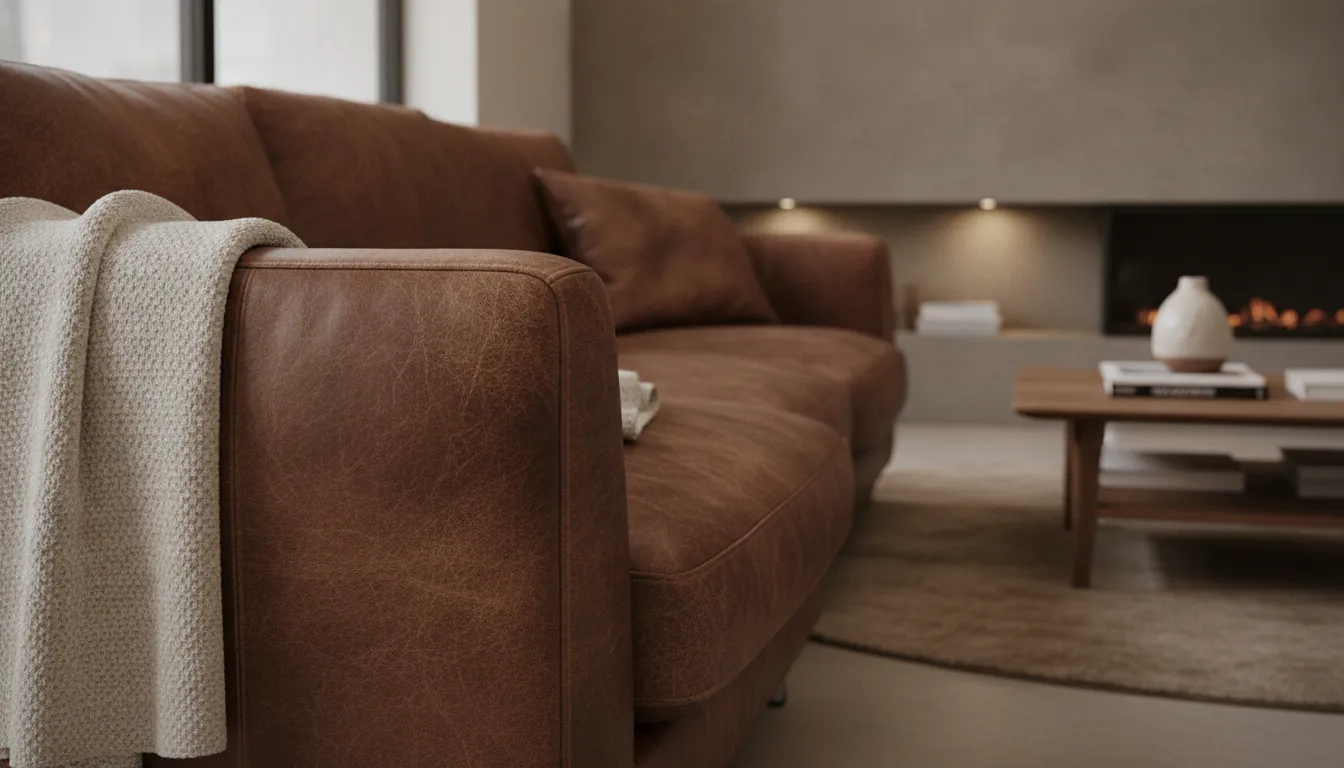
Dust Italian leather furniture weekly with a soft dry cloth to prevent scratches. Deep clean every 6 to 12 months using pH-balanced leather soap. Condition twice a year to keep natural oils intact. Quick spill blotting prevents permanent staining.
High-quality Italian leather is a natural material that needs regular care to stay soft and beautiful. You can keep your furniture in top shape by following a simple routine. Most italian leather furniture care tasks only take a few minutes each week but add years to the life of your investment.
Dust and dirt can act like sandpaper on the surface of your sofa. Over time, these small grains can scratch the finish and make the leather look dull. To prevent this, you should perform Italian leather sofas at EuroHome by dusting it at least once a week. Use a soft, dry cloth to wipe away surface soil before it builds up. Regular dusting with a soft cloth is a great way to keep your smooth leather surfaces clean without using harsh tools.
For deep crevices, you may use a vacuum with a soft brush tool. This helps remove crumbs and grit that hide in the folds of the cushions. Avoid using a standard plastic nozzle, as it might leave marks on the hide. Keeping the surface clear of dirt ensures the leather can breathe and stay in great shape.
Where you place your furniture is just as important as how you clean it. Leather is sensitive to changes in heat and light. You should keep your furniture at least two feet away from direct heat sources like radiators or vents. Constant heat can cause the natural oils to dry out, which leads to cracks in the material.
Sunlight is another factor that affects the look of your pieces. Long hours in direct sun can cause the rich dyes to fade or change color. If your room has many windows, try to use blinds or curtains during the brightest parts of the day. Good airflow is also needed to prevent moisture buildup. Proper ventilation stops mildew from growing in humid areas, keeping the hide fresh and healthy.
Body oils and hair products can slowly darken the leather where you sit or rest your head. This buildup happens over time and can be hard to remove if left alone. To protect these areas, you might use a throw or a small pillow. Regular cleaning helps prevent these skin oils from sinking deep into the pores of the furniture.
If you spill a liquid, you must act fast to stop it from soaking in. Use a clean, dry cloth to blot the spot right away. Do not rub the area, as this can push the liquid further into the leather. Fast action on spills is the key to preventing stains and keeping your Italian leather looking like new for decades.
Vacuum the leather with a soft brush attachment, then apply mild leather soap with a barely damp cloth using circular motions. Dry immediately with a clean cloth. Never soak the leather or use household cleaners like dish soap or multipurpose sprays.
A deep clean is a vital part of italian leather furniture care. While weekly dusting keeps things looking fresh, a deeper clean every few months helps your piece last for a long time.
High-end pieces, like the top-grain sets from EuroHome Interiors, do well with gentle care. Knowing how to do this at home is key to keeping the money you spent on your home safe. It stops dirt from sinking deep into the hide where it can cause wear.
You must use the right tools for deep cleaning. Natural leather has tiny holes and sucks up what you put on it. The National Institutes of Health (NIH) states that leather needs soaps made just for it.
Do not use floor sprays or dish soap, as these can harm the top layer over time. Instead, look for a mild saddle soap or a wash made just for high-end seats. You will also need some soft, clean cloths and a bowl for your soap mix.
Before you wet the leather, you need to clear away loose dirt. Crumbs and grit can scratch the surface while you clean. Use a vacuum with a soft brush tool to reach into every corner and fold.
This step makes the EuroHome design center and consultation much safer and more helpful. It also makes sure that you do not rub dirt deeper into the grain. Work slowly so you do not hit the leather with the hard plastic parts of the vacuum.
Once you have your tools and a clean surface, you can start the deep clean. This work helps to lift oils and grime that build up from daily use.
Follow these steps to get a safe and full result for your home. Always work on small spots rather than trying to clean the whole sofa at once.
It is tempting to use strong soaps on tough spots, but this can cause bad damage. Strong soaps strip the natural oils that keep Italian leather soft.
When these oils are gone, the leather will dry out and start to crack. You should also stay away from stiff brushes or rough pads. These tools can leave marks on top-grain hides that you cannot fix later. If a stain does not come out with mild soap, it is best to call a pro for help.
Use a pH-balanced leather conditioner once or twice per year. Test on a hidden spot first. Avoid shoe or saddle conditioners, which are too heavy. Conditioner prevents the leather from drying out, cracking, and losing its natural suppleness over time.
Proper conditioning is the secret to making your furniture last for decades. Italian leather is a natural material that needs moisture to stay soft. Without the right care, the hides can dry out and crack over time. A good routine focuses on keeping the leather supple rather than just wiping away dust.
You should apply a leather conditioner once or twice each year. This timing helps the material retain its natural oils. If your home is very dry or gets lots of sun, you may need to do this more often. Regular care ensures that your pieces develop a beautiful look as they age.
Always use a pH-balanced conditioner made specifically for furniture. Never use oils meant for shoes or saddles on your sofa. These products are often too heavy and can clog the pores of the hide. Before you start, test the conditioner on a small spot that stays hidden. This check ensures the product does not change the color or feel of the material in a way you do not like.
Body oils and sweat can slowly harm the surface of your furniture. Over many years, these oils may cause the leather to darken or break down. You can use throws or scarves to protect the areas where your head and hands touch most often. This simple step keeps the leather clean and prevents the need for deep scrubbing later on.
Some tasks are best left to experts who know how to handle fine hides. Professional cleaning is wise for tough stains that do not come off with a light wipe. Experts have the right tools to treat delicate materials without causing damage. If you have a serious issue, you can reach out for help with Italian leather lounge chairs through expert support.
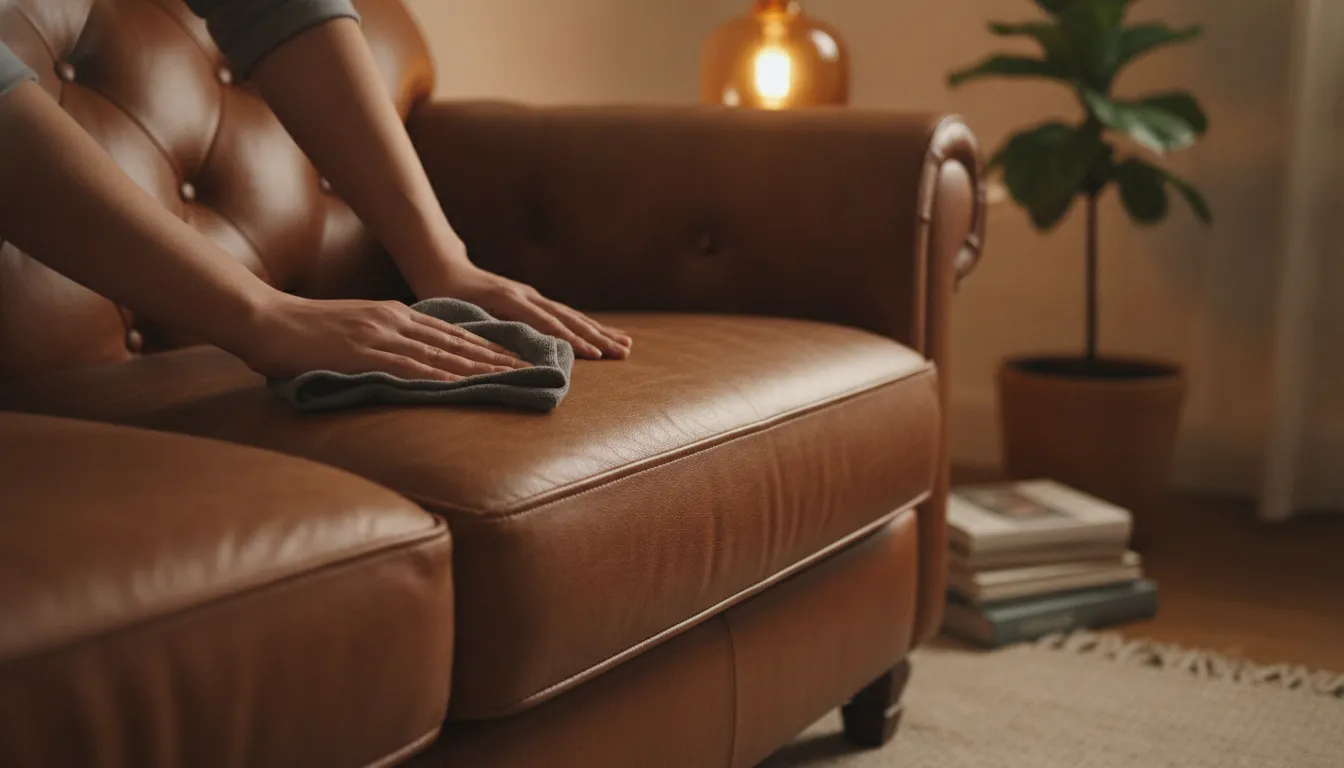
Blot spills immediately with a clean dry cloth. Water rings respond to gentle damp-cloth wiping. Oil stains need a specialized grease lifter. Ink and pet accidents require pH-neutral leather soap. Always test any cleaner on a hidden area first.
When you own fine furniture, a spill can feel like a bad mark. The key to proper care is acting fast. Because leather is a porous hide, it can soak up liquids in a short time. If you do not act, the spill may turn into a deep stain that is hard to fix. You should always keep a clean, soft white cloth nearby to blot up any new spills right away. Doing this stops the liquid from setting into the grain.
Speed is your best tool when a mess happens. According to experts in leather care, you must blot the spill to stop it from sinking into the hide. Do not rub the spot, as this can push the liquid deeper into the fibers. Instead, use a gentle dabbing motion to lift the moisture. This simple step can save you from a lasting mark on your piece.
Before you use any soap or cleaner, you must think about safety. Always test your cleaning products on a small, hidden area first. This ensures the product will not change the color or texture of the hide. If the test spot looks good after it dries, you can move on to the stained area.
Other messes need other fixes. Water rings often form when a wet glass sits on the surface too long. You can often fix these by gently wiping the area with a damp cloth and letting it air dry. For oil based stains, you may need a special cleaner that can lift grease without hurting the hide.
Ink and pet messes are even more tough to handle. These often need a pH balanced cleaner that is made just for leather. Avoid using home items like hairspray or vinegar. These harsh items can cause more harm than good. A special leather kit is the safest way to treat these specific issues without hurting the finish.
| Stain Type | Best Approach | Risk Level |
|---|---|---|
| Water Rings | Blot with dry cloth, then wipe with damp cloth. | Low |
| Oil or Grease | Use a dry cloth and a special grease lifter. | Medium |
| Ink Marks | Apply a pro ink remover pen or kit. | High |
| Pet Accidents | Clean with a pH neutral leather soap. | High |
| Food Spills | Remove solids and blot with a damp cloth. | Low |
Some stains are too deep for home care. If you have a spot that will not budge, do not keep scrubbing it. The Iowa State Extension warns that you should not try to remove stubborn spots at home. If you try to force a stain out, you might ruin the finish of your furniture.
Expert cleaners have tools that can reach deep into the leather without causing harm. They can also apply a new layer of protection to keep future spills from soaking in. While it may cost more, hiring a pro helps your furniture last for many years.
Direct sunlight fades Italian leather dyes unevenly. Heat from vents strips natural oils, causing cracking. Humidity above 60% promotes mildew growth on leather surfaces. Maintain stable indoor conditions with indirect light and moderate humidity for the best results.
Fine Italian leather is a natural material that responds to its environment. The way your furniture ages depends heavily on where you put it and what conditions it faces. Controlling these factors ensures your pieces stay in excellent condition.
Prolonged exposure to direct sunlight can cause the rich dyes in Italian leather to change. The ultraviolet rays break down the pigments over time, resulting in uneven color. To protect your furniture, position it away from south-facing windows. If you cannot move the piece, use curtains, shades, or UV-blocking window film during peak sunlight hours to reduce damage.
Placing leather furniture near heating vents, radiators, or fireplaces can accelerate moisture loss. The heat pulls the natural oils out of the hide, making it brittle. A distance of at least three feet from heat sources helps maintain the suppleness of the material. During colder months, you should also monitor the humidity in your home to keep it at a comfortable level for the furniture.
Humidity levels between 40% and 60% are best for preserving Italian leather. In very humid climates, the leather can absorb excess moisture from the air, leading to mildew growth. Musty smells or small dark spots are early signs of a moisture problem. A dehumidifier in damp rooms helps control the environment. In dry climates, a humidifier can help maintain the moisture balance of the hide.
Monitoring your indoor environment is an often-overlooked but essential part of furniture care. A simple hygrometer gives you real-time data so you can adjust conditions before damage occurs.
Call a professional for stubborn stains that resist home treatment, deep scratches, or annual deep conditioning. EuroHome Interiors provides expert guidance on Italian leather furniture selection and care. Their designers help match pieces to your lifestyle and maintenance preferences.
While weekly dusting helps, your fine furniture needs expert care to last for decades. Most experts suggest a deep professional cleaning every one to two years to keep the hide soft and clean.
High-quality Italian leather furniture is a big investment in your style and comfort. EuroHome Interiors helps you protect that value with local support. We offer three-year aftercare help for our goods to give you peace of mind.
Our direct ties to Italian factories let us offer custom picks you will not find elsewhere. You can choose special leather finishes or unique colors to match your vision.
You should dust your couch weekly with a soft, dry cloth. This stops dirt from building up and scratching the surface.
You must use a product made for fine leather furniture. General cleaners or polishes can have harsh chemicals that strip away natural oils.
Most experts suggest conditioning your furniture once or twice each year. If you live in a very dry place or keep the heat high, you may need to do it more often.
Yes, you should keep your leather pieces out of direct sun. Strong light can fade the natural dyes and make the color look uneven.
If you wait too long to care for your leather, small cracks can stay for good and the soft feel of the hide will go. Starting a new plan now helps you book care to stop sunlight from hurting your items and keeps your home looking nice.
Ready to find help? You can book a time to speak with our staff about your home or contact EuroHome Interiors online and your own design needs right now. Ready to start? Call (610) 477-7760 to schedule a design consultation at EuroHome Interiors.

