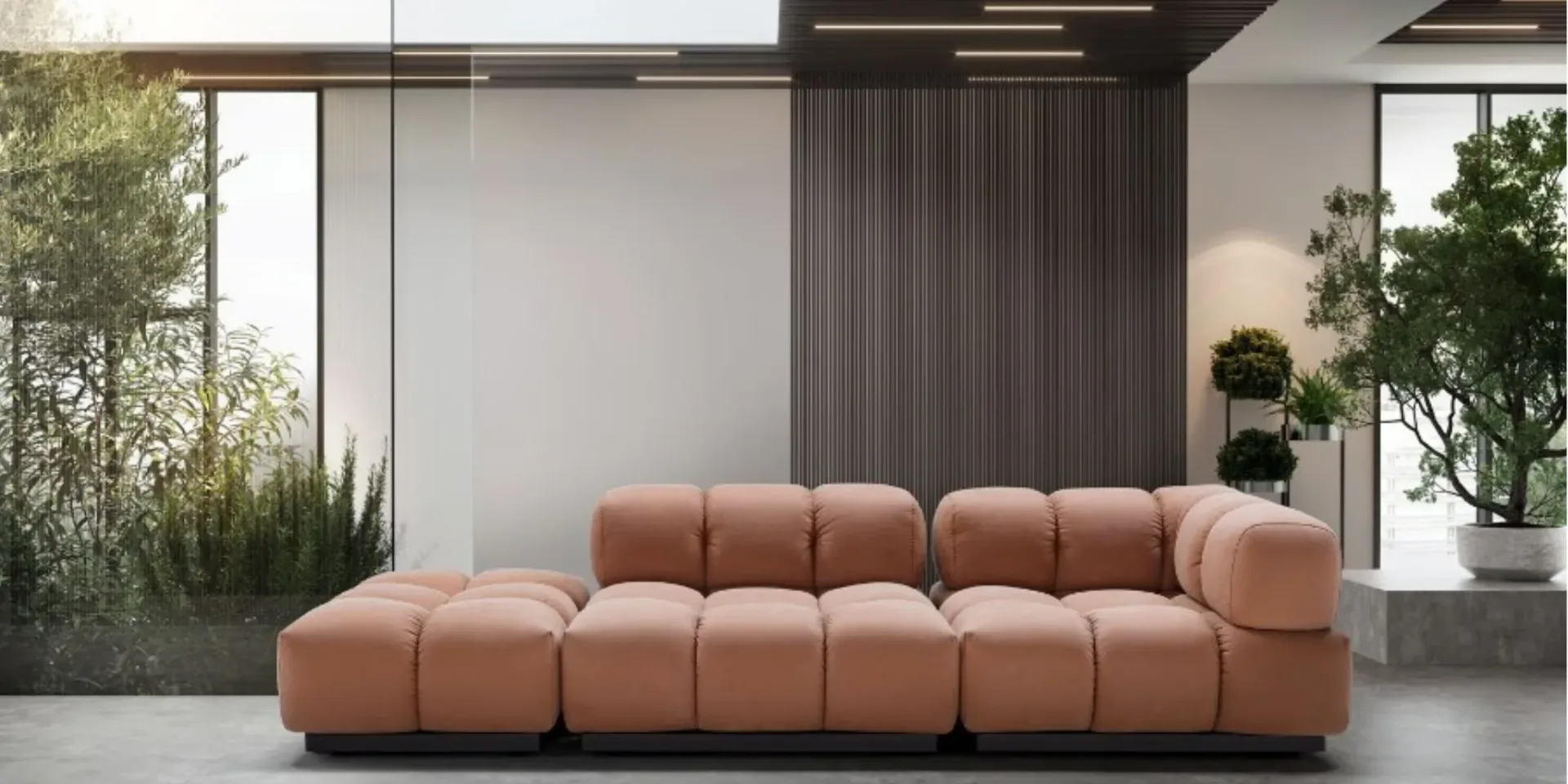
Luxury sofa brands can look similar in a showroom, yet differ in comfort, customization, and the support available before and after delivery. The right choice is not simply the most recognizable label. It is the sofa that suits your room, your daily habits, and the way you want to live in the space.
Start with the experience you want from the sofa, then look at the brand’s approach to delivering it. A name alone cannot tell you whether a seat will feel supportive, whether the dimensions suit your room, or how a chosen fabric will work with everyday use. Ask the same practical questions of every option you consider.
These questions help separate brand identity from the details that affect daily use. They also make comparisons fairer: you are weighing similar configurations and needs rather than comparing a compact apartment sofa with a large family-room design.
Luxury sofa brands are not one uniform category. Some collections emphasize a distinct design language, some offer a broad choice of forms and upholstery, and some are best considered through a local showroom or design-led retailer that can help coordinate the sofa with the room. A useful first step is to decide which kind of experience matters most to you.
| Option to compare | What it may suit | What to verify |
|---|---|---|
| Design-led European collection | A homeowner drawn to a considered silhouette, material palette, and cohesive interior | Seat comfort, available sizes, upholstery choices, lead time, and whether the design suits a warm or traditional room |
| Broad multi-style collection | A shopper who wants to compare several looks and configurations in one place | Whether the model has meaningful configuration choices and whether you can evaluate its materials and comfort in person |
| Made-to-order or configurable sofa | A room with specific dimensions, layout needs, or a particular finish direction | Exact finished dimensions, what can be customized, sample availability, and written order details |
| Design-supported purchase | A larger project or a room where the sofa must coordinate with other furnishings | What design help includes, who coordinates delivery, and how decisions are documented |
A collaborative overview of sofa brands describes a range from economical to high-end. That broad spread is one reason to compare the actual model and order details rather than relying on a brand label alone.
These are comparison lenses, not a ranking of manufacturers. A collection may offer more than one of these advantages, and the right fit depends on the particular sofa and the details of your order. Compare the actual model, configuration, and service, not just a brand’s general reputation.
For a broad look at room furnishings, explore the living room furniture collection. If you are deciding between a sofa and a larger seating arrangement, compare the shapes and footprints in the sofa and sectional collection against your floor plan.
Comfort is personal, so a specification sheet cannot make the decision for you. Sit on a sofa for long enough to notice how your body settles. Try the positions you use at home: sitting upright to talk, leaning back with a book, or stretching out to watch a film. Notice where the seat supports your legs and whether the back and arms feel right for your height and habits.
Do not assume that one construction or cushioning description guarantees a particular feel. Ask to test the specific model and configuration. If you cannot visit a showroom, request precise information about the seat, back, and upholstery, and ask what options are available to help assess the fit before ordering.
Upholstery is both a tactile choice and a practical one. Think about how the room is used, who shares it, and what level of care feels realistic. A fabric that looks beautiful in a small sample may read differently across a large sofa, while a leather finish can change in appearance as it is used. Ask to see material samples in the room’s light and alongside the other finishes you plan to keep.
Consider these questions as you compare options:
Match care guidance to the specific upholstery rather than relying on a general rule for all fabrics or leathers. The frequently asked questions can be a starting point for general shopping questions; confirm model-specific care and order details with the retailer before deciding.
Look past a collection’s signature showroom setting and imagine the sofa in your actual room. A brand may present its pieces in a minimal interior, but the sofa can still work with layered color, traditional woodwork, or collected furnishings. Focus on the form and details that will remain when the styling around it changes: the arm shape, leg profile, seat height, and overall visual weight.
Then consider how much of the room you want the sofa to define. A sculptural piece can become the focal point, while a quieter silhouette can let art, a rug, or a treasured cabinet lead. Neither approach is inherently better. The best choice reflects whether you want the sofa to anchor the room boldly or bring the other pieces together without competing for attention.
It can help to make a small reference board with a few photographs of the room, samples of key finishes, and the approximate dimensions of furnishings that will stay. Share it with the person helping you compare options. This gives the conversation a practical foundation and can make it easier to discuss whether the upholstery or proportions will relate comfortably to the home’s existing character. If you are furnishing more than one room, consider whether a consistent material palette matters more than repeating the same silhouette.
Made-to-order can refer to different choices depending on the collection. It may mean selecting from a range of upholstery and finishes, choosing among available configurations, or requesting a particular size. Do not assume that every model can be changed in every way. Ask which details are customizable and which dimensions remain fixed.
Before you commit, write down the exact requirements for your room. Include the usable wall length, the desired sofa depth, nearby door swings, and the route from the entrance to the final location. Then ask the retailer to confirm the proposed sofa’s finished dimensions and configuration in writing. If a particular size or finish matters, make sure it is shown clearly on the order rather than relying on a verbal description.
EuroHome’s business context includes direct relationships with Italian and Danish manufacturers that support custom sizing and finishes. Availability depends on the model and order; ask about the specific collection you are considering. You can also review the company’s approach to European furniture and its lounge chair selection if you are planning additional seating in the same room.
Ask direct questions about the frame, joinery, suspension, cushioning, and the way the upholstery is attached. A retailer should be able to explain what the manufacturer specifies for the model. If a detail is important to you, request the answer in product documentation rather than relying on a broad claim such as “built to last.”
Also ask how the sofa is expected to perform with normal use and what maintenance it needs. Cushion rotation or adjustment may be recommended for some models, while particular fabrics or finishes may call for specific care. Follow the instructions for the selected product. A luxury purchase is easier to enjoy when you understand not only what you are buying, but how to look after it.
Warranty and aftercare terms deserve the same attention. Confirm what is covered, for how long, how a concern should be reported, and whether replacement parts or repair support are available for the specific item. Terms can vary across makers and products, so do not infer coverage from the price or label.
A sofa has to reach the room as well as fit in it. Measure the entry door, hallways, stairs, landings, and turns along the delivery route. Check the sofa’s packaged and assembled dimensions where available. A large piece may need a different delivery plan than a compact one, even when both fit the room itself.
Ask what the delivery service includes. Clarify whether the team carries the sofa into the intended room, assembles any components, removes packaging, and handles a difficult access situation. Find out whether you need to prepare the route or move existing furnishings. The delivery information and shipping and delivery details are useful places to check before an order; confirm the arrangements for your item and address directly.
A contemporary European sofa does not need to make a traditional home feel stark. The key is to balance clean lines with the warmth and character already present. Look for a form that respects the scale of the room, then use upholstery, color, and neighboring pieces to connect it with the home’s existing details.
For example, a restrained sofa silhouette can sit comfortably beside warm wood, a patterned rug, inherited objects, or traditional architectural trim. A textured fabric or nuanced neutral may soften a crisp outline. If the room already has strong color or pattern, a quieter upholstery can let those elements remain part of the story. The goal is not to erase the character of the house, but to make the new piece feel considered within it.
Think about how the sofa will be used, too. A room for conversation may call for a more upright arrangement and accessible side tables. A space for long evenings may need an inviting seat depth and a place for a lamp or drink. The coffee table selection and living room rugs can help you consider the surrounding proportions and textures as part of one plan.
Once you have a few possible sofas, compare like with like. Use the same room measurements and the same list of household needs for each option. A short written checklist can reveal trade-offs that are easy to miss when a beautiful showroom setting shapes your first impression.
If two options remain close, identify the one unresolved question that matters most. It may be seat comfort, the final color, or access through a narrow stairwell. Resolve that point before placing the order rather than allowing a general impression of brand prestige to make the choice for you.
Use this list in a showroom or consultation. Clear answers help you compare brands and collections on the same basis.
EuroHome offers furniture shopping alongside design support and project coordination. For current information about the design center, visit the EuroHome Design Center. If you need to discuss a particular room or sofa requirement, use the contact page to start a conversation.
Talk with EuroHome about your sofa plans
Not automatically. Comfort depends on the model, proportions, cushion feel, and your own preferences. Try the specific sofa in positions you use at home, and compare the same details across your shortlist.
It can be. Balance the sofa’s shape and upholstery with existing wood, rugs, architectural details, and color. A contemporary piece can add a fresh note without making a warm, character-filled room feel impersonal.
Confirm the exact configuration, finished dimensions, selected upholstery and finish, expected timeline, cancellation terms, delivery plan, and applicable warranty in writing. Ask which elements can actually be customized for that model.
Use the brand to understand the collection and the support around the purchase, but make the final decision based on the exact model, fit, comfort, materials, and confirmed order details. A practical comparison is more useful than choosing a name alone.
The most useful comparison of luxury sofa brands starts with your room and your routine. When you assess fit, comfort, upholstery, customization, construction, and delivery together, you can make a confident choice that feels right in everyday life as well as in the design plan.


