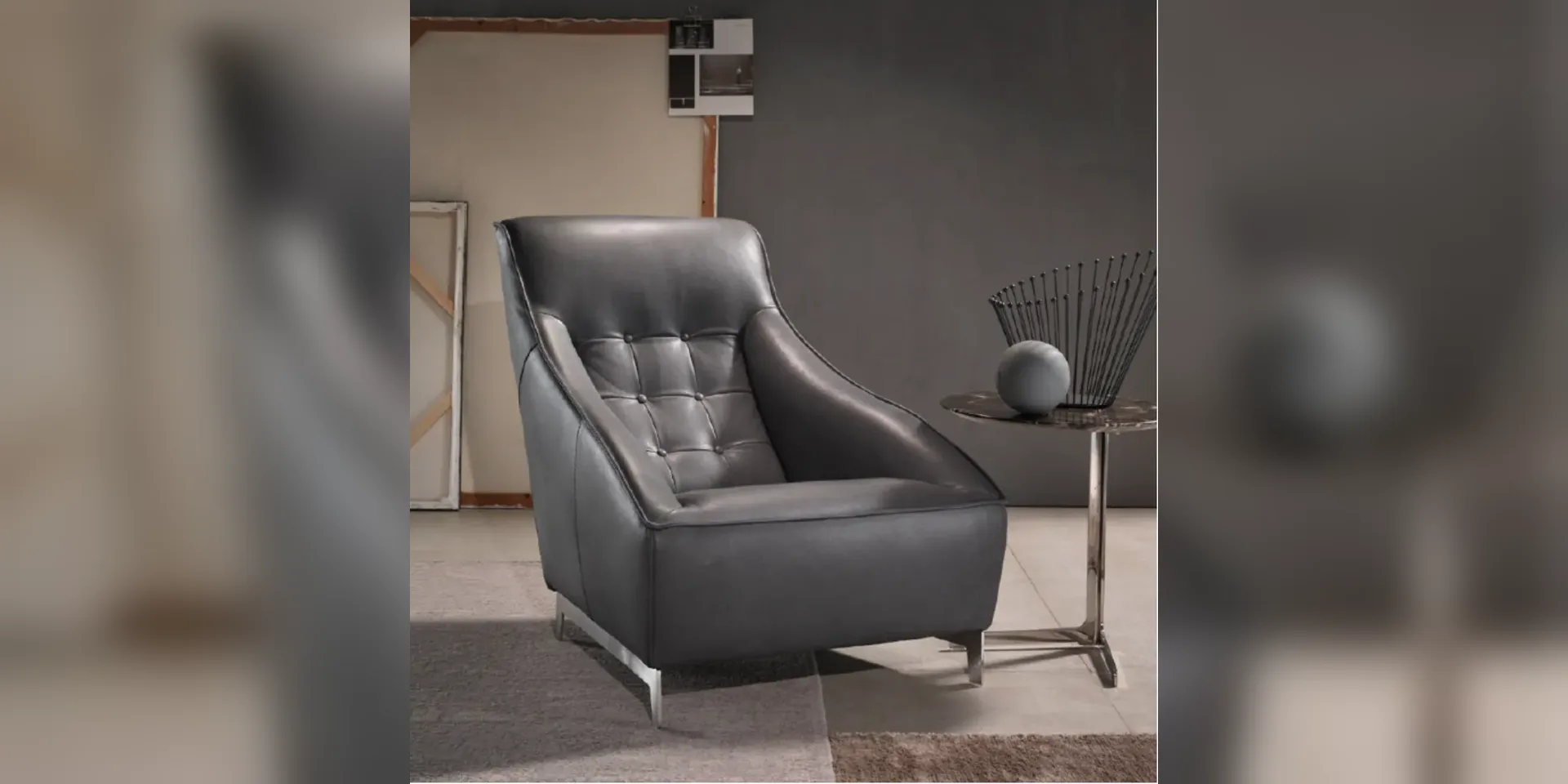
A leather office chair can bring a composed, welcoming feel to a home workspace, but appearance alone does not tell you whether it will suit your body or routine. Compare seat dimensions, back support, adjustment, leather finish, and the room around the chair before choosing. The right decision balances everyday comfort with a finish that works naturally in your home.
Get in touch to discuss your office chair needs
Start with the job the chair needs to do. A chair for occasional email and a short planning session has different demands from one used through most of the workday. Think about how long you sit, the kind of work you do, and whether the chair will also serve as a reading or conversation seat.
For long desk sessions, useful movement and support matter more than a dramatic silhouette. Look for a seat that lets you sit with your feet supported, room to shift position, and a backrest that meets your torso comfortably. A chair should not force you to lean forward to reach the desk or strain your shoulders to use a keyboard. Check whether the design has adjustments that suit your routine, such as seat height or a reclining mechanism, and learn how each adjustment works.
For a flexible home office, the chair may need to look considered from more than one angle. It might be visible from the living room or share a room with bookshelves and a guest bed. In that case, the outline, arms, base, and leather color all have a role. A tailored chair can sit comfortably alongside traditional furnishings when its scale and finish relate to the rest of the room.
Measure your body and your workspace, not just the available floor area. Product dimensions can look similar on a screen but feel quite different once you sit down. Compare the chair's seat height, seat width, seat depth, overall height, and arm height with your body and desk.
Measure the desk as well as the chair. Note the underside clearance, the height of the work surface, and any drawer or modesty panel that could interfere with the arms. Then mark the chair's footprint with painter's tape. Include the space needed to pull it out and move around it. If the room is compact, a chair with a smaller base or arms that fit below the desk may make the space feel easier to use.
For an adjustable chair, do not assume that more settings mean a better fit. Check that the adjustment range can be set for your stature and desk, and that the controls are easy to reach. A chair with a fixed, handsome frame can be suitable for shorter periods or a secondary workspace, but it may offer less flexibility for a long workday. Match the chair to the real use rather than expecting one form to suit everyone.
Consider how you work across a typical day. Do you sit still while reading or writing, or move between calls, a keyboard, and printed material? A swivel can make it easier to turn between nearby work areas, while casters may help when you need to move around a desk. If your floor is delicate, verify that the base and casters are appropriate for the surface or plan to use a protective mat. These functional details can change how convenient a chair feels after the novelty of a new finish has passed.
It also helps to separate essential requirements from preferences. A minimum seat-height range, adequate clearance, and suitable back support may be non-negotiable. A particular stitch, base finish, or arm shape may be a preference. Writing both lists before browsing makes comparisons more objective and helps prevent a striking detail from distracting you from a poor fit. If you share the workspace, ask other users to check the dimensions and adjustments too; one chair may not fit everyone equally well.
Leather is not one uniform material. The look and feel depend on the hide, finish, color, and surface treatment. Ask what kind of leather the chair uses and what care the maker recommends. Do not infer a precise leather grade or durability from a product photograph or a general label alone.
A smooth, finished leather can be a practical choice where occasional spills or marks are a concern, but the right cleaning method depends on the upholstery. A more natural-looking surface may show variation and develop character with use. That variation is not necessarily a flaw; it is part of the material's appearance. However, a highly textured or delicate surface may need more careful handling. Request clear care instructions before deciding, especially if the chair will be used daily.
Color has a strong effect on the room. Black and dark brown can add definition beside pale walls or a light desk. Cognac, tan, and warm brown tones can connect with wood, woven shades, and traditional details. Cream or other light shades can feel airy, but consider how much contact and daily use the chair will receive. Bring together the chair's leather sample, desk finish, floor tone, and nearby upholstery before committing. Looking at a sample in both daylight and evening light can reveal undertones that a screen does not show.
Think about temperature and touch, too. Leather feels different from fabric at first contact and may respond to the room's temperature. If you spend many hours seated, consider whether you prefer a leather seat on its own or a design with breathable areas, a more open back, or a seat cushion. The chair's construction and upholstery details matter as much as its color.
Ask what the terms used in the listing mean for the exact chair. Descriptions such as natural, protected, or corrected can refer to different surface treatments, and makers may use their own naming conventions. Request the maker's care guide and ask whether cleaners, conditioners, or household products should be avoided. Do not use a product intended for another material unless the upholstery instructions allow it. A simple maintenance plan helps you understand what ownership will involve, rather than treating every leather surface as if it responds the same way.
When comparing samples, look for differences in grain, sheen, and color depth. A small sample cannot show the full effect across a chair, but it can help you judge whether the tone is too red, yellow, cool, or dark for the room. Place it near the desk and nearby textiles, and view it at different times of day. Ask whether natural variation is expected and how the finished surface may change with use. These questions set realistic expectations and make a made-to-order color decision more informed.
Comfort is personal, so use specific questions rather than relying on a product name. If a showroom visit is possible, sit in the chair for long enough to notice pressure points. Place your feet as you would while working. Lean back, turn, and reach toward an imagined keyboard. Check whether the seat edge presses against your legs and whether the back supports you without pushing you into an uncomfortable posture.
Ask whether the seat cushion is fixed or removable, what the internal support is, and whether the back tilts independently from the seat. If a chair has a headrest, assess whether it is useful for your posture or simply adds height. A plush cushion can feel welcoming at first, but it should still provide stable support for the way you sit. If you prefer to change position frequently, a chair that allows comfortable movement may be more suitable than one that holds you in a single pose.
Workstation comfort is also a matter of the whole setup. The desk, screen, keyboard, and chair work together. The U.S. Occupational Safety and Health Administration provides workplace safety resources; use reliable workstation guidance alongside your own fit assessment. A well-chosen chair cannot compensate for a desk or screen positioned in a way that makes you work with a strained neck or raised shoulders.
For a chair used at a computer, consider whether the seat height allows your arms to meet the desk comfortably. If raising the chair leaves your feet unsupported, a footrest may help. If the desk is too high, changing chair height alone may not solve the problem. Treat these as connected measurements, and adjust the setup before settling on a chair.
A leather office chair does not need to look cold or overly formal. Warm leather, a wood desk, a soft rug, and layered lighting can make a workspace feel connected to the home. For a traditional room, try a chair whose color echoes existing wood or upholstery, then balance its modern lines with familiar materials and art. For a more contemporary interior, a clean silhouette can provide a focal point without adding visual clutter.
Scale is the first design check. A high-backed chair can dominate a small desk area, while a compact chair may appear undersized beside a substantial desk. Compare the chair's overall height and width with the desk and nearby furniture. Consider the view from the doorway and from the room's main seating area, not only the view from the desk.
Next, coordinate rather than match every finish. A cognac chair can work with a dark wood desk if the room includes another warm element, such as a framed artwork or a natural-fiber rug. A black chair can feel less stark beside dark metal details or a deeper wall color. Repeating one tone in several small accents often creates a more natural connection than trying to find an exact match.
For a multipurpose room, consider what the chair looks like when not in use. A neat back profile, restrained stitching, and a proportionate base can help it sit comfortably among home furnishings. For a dedicated study, you may prefer more visible adjustment and stronger task-chair features. The choice is not purely decorative: the room's purpose should guide the degree of formality and support you need.
EuroHome's Design Center can be a starting point for discussing how a chair could relate to a wider room plan. Learn more about the company's approach on its About Us page, or browse the broader furniture selection for ideas about finishes and forms that may suit your home.
Names vary between makers, so compare the actual specifications and construction. This table is a screening tool, not a substitute for trying a chair or confirming its dimensions.
| Chair type | Potential strengths | What to check | Often suits |
|---|---|---|---|
| Task chair with leather upholstery | Usually designed for desk use; may provide multiple adjustments. | Adjustment range, seat depth, lumbar shape, arm clearance, caster suitability. | Regular computer work and users who benefit from a more adjustable setup. |
| Executive-style leather chair | More substantial presence and a higher back; may feel inviting for focused work. | Overall scale, heat and cushioning, recline range, whether the shape fits your posture. | A larger study or a workspace where a pronounced chair silhouette is welcome. |
| Compact swivel chair | Can use less visual and floor space while allowing rotation. | Seat dimensions, back support, base footprint, stability, and whether arms fit the desk. | A smaller home office or a desk that shares space with other activities. |
| Occasional desk or reading chair | Can bring a softer, more residential look to a flexible room. | Whether it is comfortable at desk height and appropriate for the length of each sitting period. | Short work sessions, reading, or a secondary workspace. |
Compare chairs against your actual priorities, not the longest feature list. A sophisticated base or elaborate stitching does not tell you whether the seat depth is right. Conversely, a simple design can be a strong choice if it fits the body, desk, and room. Record the measurements and features you need, then eliminate options that fail those basic checks.
Confirm the details that are difficult to judge from a photograph. Ask for the full dimensions, adjustment range, upholstery description, and care instructions. Find out whether the chair arrives assembled, what assembly is required, and whether the path from the delivery entrance to the office can accommodate its size. Check the current delivery and service details directly rather than assuming that every order has the same arrangements.
Review the maker's product information and the retailer's terms before purchase. EuroHome provides information about deliveries and financing online; check the current details that apply to the chair you are considering. If you need clarification on fit, specifications, or a made-to-order option, ask before placing an order. EuroHome works directly with European manufacturers, with custom sizing and finishes available on some products. If you are considering a particular chair, confirm whether that model can be customized and which dimensions or finishes are actually offered; do not assume every design can be altered. A change in width or finish may also affect overall proportions, room fit, or order details, so request written specifications for the version you plan to buy. You can contact EuroHome with a product question before making a decision.
For a useful consultation, bring the desk measurements, a photo of the workspace, and your shortlist of essential features. Include the doorway and stair dimensions if the chair will need to pass through a narrow route. This gives the conversation practical context and makes it easier to identify unanswered questions about fit, finish, or delivery. It also helps distinguish between a chair that looks appealing in isolation and one that is likely to work in the room you have.
Use this quick sequence to move from inspiration to a confident shortlist:
Keep your notes in one place and compare no more than a few well-matched choices at a time. A short list makes it easier to see which chair offers the right combination of fit, support, finish, and room presence. If an important measurement or upholstery detail is missing, seek the answer rather than filling the gap with an assumption.
Schedule a design consultation to discuss your workspace
It can be, provided the chair fits your body and work setup. Compare seat depth, height, back support, adjustment, and the way the upholstery feels during an extended sitting period. Leather alone does not determine comfort.
That depends on the leather finish, your routine, and your willingness to follow the maker's care instructions. Ask how to clean the specific upholstery and whether it is suited to the level of daily use you expect.
Compare a sample with your desk, floor, and nearby furnishings in both daylight and evening light. Dark tones can define a light room, while warm brown shades can connect with wood and traditional details. Choose a color that feels at home in the whole space.
Start with seat height, seat depth, seat width, arm height, overall height, and base footprint. Also measure the desk clearance and the area needed to pull out and move the chair.
Base the decision on how long you sit and how much flexibility your setup needs. Regular desk work often benefits from adjustable features, while occasional use may allow more emphasis on a residential silhouette. Verify that the chair still fits the desk and supports your sitting position.
The best leather office chair is the one that supports your actual working habits and feels considered in the room. Confirm the fit, upholstery, and ordering details before you decide, and treat comfort and design as parts of the same choice.


