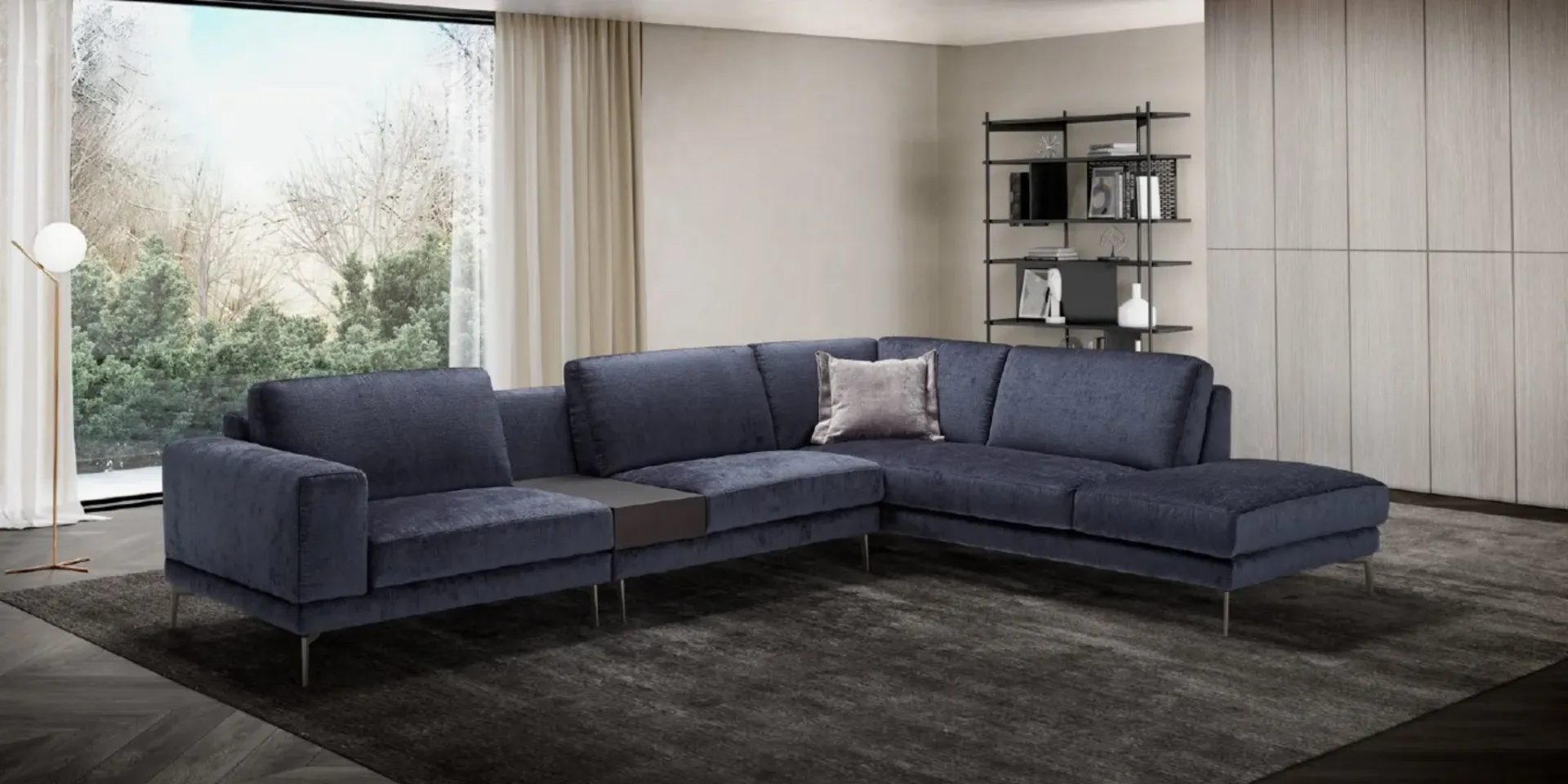
An Italian sleeper sofa can bring European design and guest-ready function into one room, but the right choice depends on more than its silhouette. Compare the sofa’s proportions, conversion mechanism, sleep surface, and the space it needs when open before you decide. A little planning helps the piece feel like comfortable living-room furniture every day, not a compromise that comes out only when guests arrive.
Talk with a design consultant about your room
The phrase usually describes a sofa designed in an Italian or contemporary European style that converts into a sleeping surface. “Italian” points to a design tradition or a product’s origin, depending on the maker; it does not by itself tell you how the sofa opens, what the mattress is like, or whether the piece will suit frequent overnight use. Ask for the details of the specific model rather than relying on the label.
Think of the purchase as two related decisions. First, choose a sofa that belongs in the room when it is closed: its scale, upholstery, seat comfort, and lines should work with the rest of the home. Then evaluate the bed function on its own terms: setup effort, usable sleep dimensions, support, and clearance. A good fit brings both roles together without forcing one to take over.
That dual purpose has a long history. A 1961 article in the Indianapolis Recorder described the sleep-sofa as a popular dual-purpose furniture type and noted its changing, more compact lines. The observation is historical, not a guide to present-day performance; today, the model’s specifications and your room are what matter. Read the archived article.
A sleeper sofa can make sense when one room needs to serve several purposes: a living room that hosts overnight family, a den that doubles as a guest room, or a home office where a permanent bed would crowd the work area. The best choice depends on how often you expect to convert it and who will sleep there. Occasional guests may need a different balance of convenience and sleep comfort than a household member using it regularly.
Consider the whole room in both modes. A sofa that looks right against the wall may block a walkway or prevent a door from opening once its bed is extended. In a compact space, confirm that there is still room to move around the open bed and reach a light, outlet, or closet. In a larger room, avoid choosing an oversized model simply because it fits; it should still leave a comfortable path through the seating area.
For another way to think about a flexible guest room, compare the sleeper with a separate bed and seating arrangement. A dedicated bed can be more straightforward for frequent use, while a convertible sofa keeps floor area available for other activities when no one is visiting. The sofa-bed collection is a useful place to explore the category, but check the details of individual models before assuming features or dimensions.
Mechanisms affect how the sofa changes from sitting to sleeping, how much room it needs, and what the sleeping surface feels like. Names and construction vary by maker, so treat the types below as a comparison framework, not a guarantee that every model follows the same design. Ask to see the actual conversion steps whenever possible.
| Mechanism or format | How to assess it | Space and use questions |
|---|---|---|
| Pull-out bed | Check how the bed frame and sleep surface unfold, and whether the steps feel manageable to you. | Measure the full extension; ask whether cushions must be removed and where they go. |
| Fold-down or click-clack back | See how the seat and back form a flat surface; check the feel of joins and transitions. | Confirm the back has room to recline and that the resulting surface suits the intended sleeper. |
| Convertible sectional or chaise format | Determine how the chaise or modules reposition and whether the sleeping area is continuous. | Check the room layout, module orientation, and whether the arrangement can be changed later. |
| Separate mattress or removable sleep component | Ask what the sleep surface is made of, how it is stored, and how it is maintained. | Confirm there is convenient storage and that setup remains practical for your household. |
For any mechanism, test the motion slowly and without forcing it. Ask what needs to be moved before opening, whether one person can operate it comfortably, and how the sofa is secured in each position. Listen for rubbing or unusual resistance and check that the moving parts do not collide with a nearby table or rug. These simple checks can reveal whether a clever conversion will feel natural in your daily routine.
Do not judge sleep comfort from the mechanism name alone. A pull-out design can vary in its mattress and support, just as a fold-down surface can vary in padding and firmness. Request exact dimensions and construction details, and if the model is available to try, sit and lie down on it. If it is ordered remotely, ask what information, samples, or consultation options are available before committing.
When the bed is away, the sofa is still a sofa. Sit in the position you normally use: feet on the floor if that is how you relax, back supported, and enough depth to sit comfortably without sliding forward. If different people in the home have different preferences, compare how the seat feels to each person. A dramatic profile may be beautiful but should not distract from the way you will actually use it.
Look at the seat height and depth, back support, arm height, and cushion feel as a group. A deep seat may invite lounging but feel less supportive for someone who prefers an upright posture. A low, relaxed profile can complement a calm contemporary room, while a more structured shape may suit reading or conversation. These are personal comfort judgments, so measurements help narrow options but do not replace trying the piece when practical.
Also consider how the bed components affect the closed sofa. Ask whether the cushions stay in place, whether the seat feels different from a non-sleeper sofa, and how the sofa is supported. If guests will use the bed often, ask about care and service for both the upholstery and conversion parts. Choose upholstery with your household’s habits in mind, including sunlight, pets, children, and how the room is used; do not assume a material is maintenance-free.
Measure the room before looking at fabric or finish. Start with the wall or zone where the sofa will sit, then note doorways, hallways, stair turns, elevators, and any other route used for delivery. A piece must fit through the home as well as in the final room. Confirm the model’s overall width, height, and depth, and ask for the packaged or delivery dimensions if access is tight.
For a finished living room, compare the sofa’s scale with other pieces rather than treating it as an isolated object. A coffee table may need to move when the bed opens, so consider its weight and location. A side table can keep a lamp or drink nearby, but leave enough room to operate the mechanism and move around the sleeping surface. A floor or table lamp can make the guest setup welcoming without needing the room’s main light.
European modern furniture does not need a stark, gallery-like room around it. A sleeper sofa can sit comfortably alongside traditional architectural details, layered textiles, warm wood, and collected objects. The goal is not to make every piece match; it is to find a relationship between shape, texture, color, and scale that feels intentional.
Start with the room’s existing character. If you have classic trim or an heirloom cabinet, a clean-lined sofa can provide contrast without competing. If the room already has modern furniture, upholstery with visible texture or a deeper, warmer tone can soften the overall effect. A neutral sofa is not the only route to flexibility: a chosen color can connect with art, a rug, or a favorite accent and make the room feel personal.
Look at samples in the actual room, at different times of day if possible. Daylight, warm bulbs, wall color, and nearby wood can change how a fabric or finish reads. Think beyond the sofa’s showroom appearance: the fabric should feel pleasant, the color should work with the items you plan to keep, and the piece should support the everyday experience you want—conversation, reading, movie nights, or hosting.
For a broader room plan, explore the living-room furniture collection and consider how the sleeper will relate to seating, tables, and storage. If you are coordinating several rooms, the King of Prussia Design Center can be a place to discuss the room and view furniture. Bring measurements, photos, and a short list of what you need the space to do; those details make a design conversation more concrete.
Specifications make comparisons more useful than a product label or a photograph. Ask for written answers to the points that matter to your space and intended use. If an answer is unavailable, treat it as an open question rather than filling in the gap with assumptions.
Custom sizing or finishes may be available through some European furniture makers, but availability is model-specific. Ask what can be changed, whether a change affects the mechanism or delivery, and how you will review the final specification. Keep the confirmed configuration and key measurements together so you can compare options on the same basis.
Choose the factors that matter most and compare each model against them. A simple scorecard prevents a striking photograph or one attractive feature from making the decision for you. Give each item a priority, then note what you have verified and what still needs an answer.
| Decision factor | What to compare | Why it matters |
|---|---|---|
| Room fit | Closed size, open size, route of access, and clearance. | A sofa must function in both modes and arrive at its final location. |
| Conversion | Steps, effort, moving parts, and storage of cushions or bedding. | Ease of use shapes whether you will convert it when guests arrive. |
| Sleep comfort | Usable dimensions, surface, support, and intended frequency. | Guest needs vary; evaluate the actual sleep setup rather than its label. |
| Everyday comfort | Seat depth, support, cushion feel, and upholstery touch. | The sofa spends most of its time in its closed configuration. |
| Room character | Shape, color, texture, finish, and relationship to existing pieces. | A coherent room can mix modern and traditional elements without matching everything. |
| Ownership details | Care, delivery, configuration, warranty, and order terms. | Clear expectations reduce surprises after you choose. |
Mark each factor as confirmed, needs clarification, or not a fit. If two options are close, revisit the one with the most unresolved questions. A slightly less striking model may be a better match if its dimensions and conversion routine suit the room, while the more visually appealing choice may be right if its practical details also check out.
EuroHome offers a curated European furniture selection and design services from planning through installation. If you want help assessing a room, share its dimensions, access constraints, and how often the bed will be used. You can also browse the online furniture selection and review delivery information as you prepare. For questions about terms, refer to the current frequently asked questions or contact the team.
Schedule a design consultation
It depends on the exact model, its sleep surface, and the needs of the person using it. Ask for the sleeping dimensions and construction, try it if possible, and confirm care and service details. Do not assume every sleeper sofa is intended for nightly use.
Possibly, if the open bed fits and leaves a safe, practical path through the room. Measure both configurations, account for side tables and doors, and confirm delivery access. If the room is tight, map the open footprint on the floor before ordering.
No. The phrase alone does not specify the country of manufacture, conversion design, mattress, or comfort. Check the maker’s information and the exact model specifications, and ask for clarification when a detail is important to you.
Use contrast thoughtfully. Pair the sofa’s clean shape with warm woods, layered textiles, familiar art, or a rug that connects it to the room. Compare fabric samples with existing finishes and choose a color and texture that feel at home with the pieces you plan to keep.
The right Italian sleeper sofa balances its two roles: a comfortable, well-proportioned piece for everyday living and a practical place for guests to sleep. Verify the open and closed dimensions, test the conversion, and compare the sleep surface and ownership details before deciding. When the sofa fits your routines as well as your room, it can support a more flexible home without sacrificing a welcoming atmosphere.

