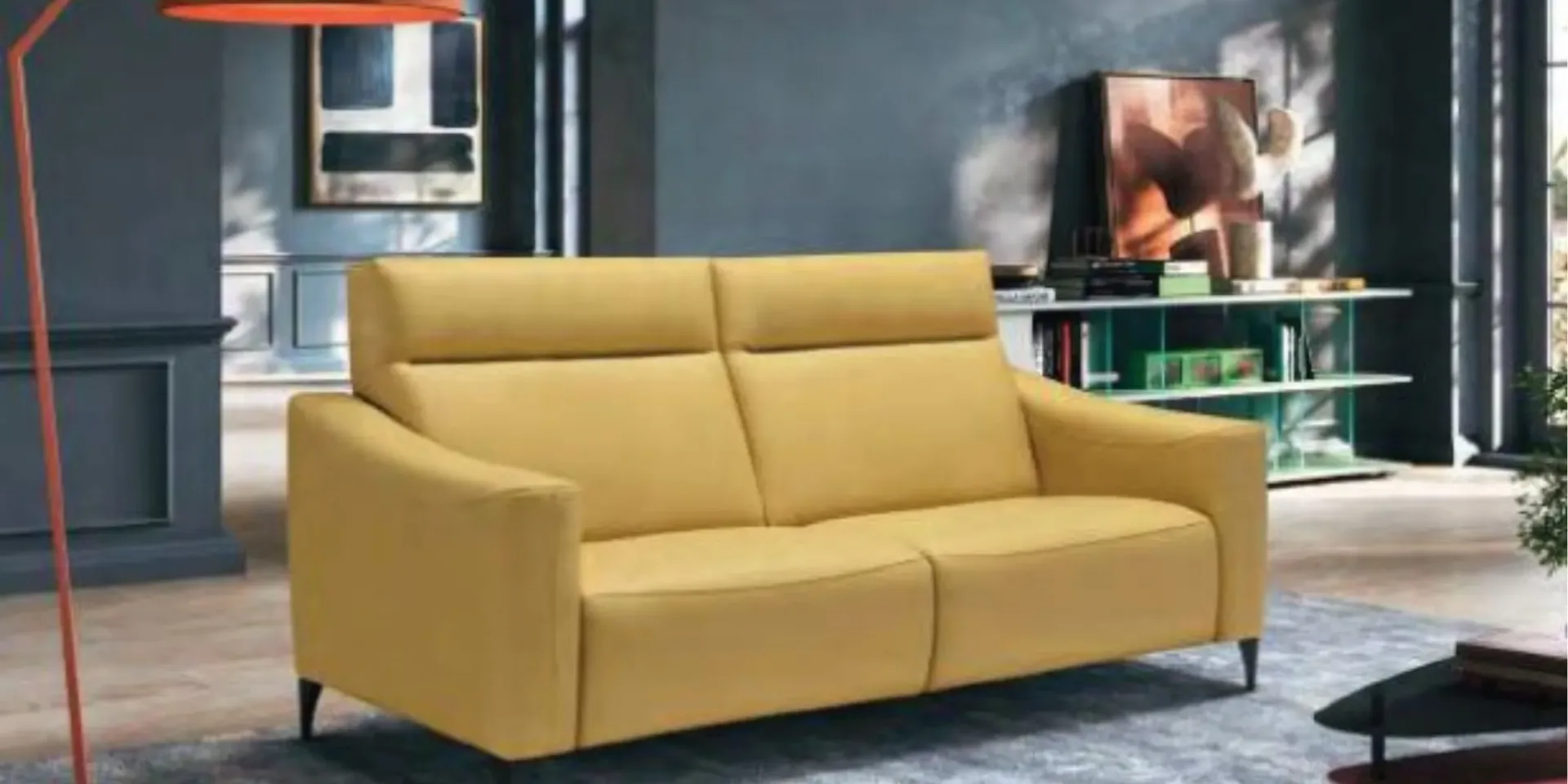
Investment worthy modern furniture is not defined by a price tag or a particular label. It earns a place in your home when its construction, materials, comfort, proportions, and care needs suit the way you live—and when you can understand what you are paying for. A careful evaluation helps separate lasting usefulness from a short-lived impression.
Think of a furniture purchase as a decision about years of use, not a promise that an item will last forever or increase in monetary value. “Investment-worthy” is a practical standard: the piece should perform its daily job, work with the room, and be maintainable for the household that owns it. A well-made chair that fits your dining table and remains comfortable is more useful than a prestigious piece that is difficult to live with.
Start by writing down the job the piece must do. A sofa may need to support long evenings, casual entertaining, and occasional naps. A dining table may need to seat a household every day and expand for guests. A bed needs to fit the room, the mattress, and the routines around it. The more clearly you define the job, the easier it is to judge quality without being distracted by styling alone.
Then assess five connected areas:
These checks do not require specialist tools. They require asking specific questions, trying the piece when possible, and comparing like with like. If you are still defining a room, browse the living room furniture collection or use a dining furniture plan as a starting point for identifying the pieces your space needs.
Begin with the frame or supporting structure. On an upholstered sofa or chair, ask what the frame is made from, how the joints are assembled, and how the seat is supported. A smooth exterior does not reveal the structure underneath. The useful answer is a clear description of the actual construction, not a general claim that the item is “premium.”
Look and listen for movement. Sit down and shift your weight in the places where the furniture will be used. Notice whether the frame feels stable, whether the seat moves evenly, and whether you hear unexpected creaks or knocks. A display sample is only one example, so ask whether the model, size, and configuration you plan to order have the same construction. For a dining chair, gently test it from different angles rather than judging it only while sitting upright for a few seconds.
Inspect joints and connections where they are visible. On a table or cabinet, examine corners, leg connections, drawer runners, hinges, and the meeting points between components. Look for clean alignment and movement that feels deliberate rather than loose or uneven. A drawer should open and close without catching during a normal test. Doors should sit consistently, and handles should feel secure. These are observations, not a guarantee of future performance, but they can reveal whether the item deserves more questions.
For moving or reclining furniture, test each mechanism through its intended range if the seller permits it. Ask what must be done to operate it, whether clearance is needed behind or beside the piece, and how the mechanism is serviced. For a sofa bed, for example, confirm that the room allows the bed to open and that the route to the room accommodates its parts. A mechanism that seems effortless in a showroom may be awkward if the furniture sits against a wall or near another piece.
Examine details that influence upkeep as well as appearance. Seams should look even; edges should be finished cleanly; surfaces should not have unexplained rough patches or inconsistent joins. On case goods, open doors and drawers. Check the interior finish and ask whether shelves or hardware can be adjusted or replaced. If an answer about the construction is unclear, request the written product specifications before deciding.
Material quality is not simply a contest between natural and synthetic materials. The right choice depends on where the furniture goes, how often it will be used, and the kind of maintenance you are prepared to do. Compare the specified material on the exact model and finish; categories such as “wood,” “leather,” or “performance fabric” are too broad to answer practical questions by themselves.
| Material or feature | What to inspect | Questions to ask | Best fit to consider |
|---|---|---|---|
| Wood furniture | Species or material description, veneer or solid components, finish, grain consistency, and edge treatment | Which parts are solid wood, veneer, or another material? What care does this finish need? | Rooms where warmth, grain, and a considered surface matter |
| Upholstery fabric | Texture, weave, seams, removable covers if applicable, and how the fabric responds to touch | What cleaning method is allowed? Are covers removable or replaceable? | Daily seating when the chosen texture and care routine fit the household |
| Leather upholstery | Leather type and finish, feel, variation, stitching, and care instructions | What finish is used, and what cleaning or conditioning guidance applies? | Buyers who value the material's feel and accept its specific care needs |
| Metal or mixed materials | Joints, welds or connections, finish consistency, edge treatment, and stability | How should the finish be cleaned? Can the components be repaired or replaced? | Pieces where a defined structure, slim profile, or mixed-material look is desired |
| Moving hardware | Drawer, hinge, extension, or reclining action; alignment and ease of use | What adjustments or replacement parts are available, and who handles service? | Frequently used storage and pieces with mechanisms |
Ask for a sample or inspect the finish in person when that option is available. Samples help you compare color and texture with the room's surfaces, but they do not show every variation across a larger piece. Lighting also changes how finishes read. If you are choosing wood for a dining room, compare it with the floor, cabinetry, and nearby lighting rather than evaluating a small sample against a white screen.
For upholstered furniture, ask for the fabric or leather details and the care instructions before ordering. Consider the household's actual use: pets, children, frequent guests, sunny windows, and meals near a sofa may affect which finish feels realistic. No material is maintenance-free. A material that looks ideal in a photograph may be a poor fit if its care instructions conflict with your routine.
EuroHome offers Italian and Danish collections and has factory relationships that allow custom sizing and finishes, according to its business information. If you are considering a custom option, clarify exactly which dimensions and finishes can be changed for the selected item and how those choices affect lead time, price, delivery, and return terms. Do not assume that customization is available on every product. The furniture catalog can help you identify models to discuss.
Comfort is personal, so use a consistent test. For a sofa, sit in your usual position, place your feet as you naturally would, and notice seat depth, back support, arm height, and how easy it is to stand. Try more than one seat if the sofa is wide. If other household members will use it, invite them to test it too. A seat that feels inviting for a brief showroom visit may feel different during a long evening.
For dining chairs, check how the chair fits beneath the table and whether its arms clear the apron. Sit with your feet supported and consider how long meals usually last. For a bed, confirm mattress dimensions, frame dimensions, and the height that feels convenient. For storage, consider what you plan to store and whether shelves, drawers, or doors provide usable access. The shape should serve a routine, not create a new obstacle.
Test the complete configuration you intend to buy. Modular sofas, sectionals, extendable tables, and adjustable furniture can behave differently depending on their arrangement. Write down the exact pieces, direction, and dimensions. Make sure every person involved understands whether a measurement refers to the overall width, a single module, a sleeping surface, or an extension. This simple record prevents a mismatch between a display configuration and the order.
Measure the room and the route into it before selecting a size. Record the available wall length, depth, door openings, stair turns, elevator dimensions if relevant, and any narrow passage between the entrance and the final room. Check the product dimensions against the route, not just the destination. A piece that fits the floor plan can still be impossible to maneuver through a tight turn.
Use painter's tape or paper templates to mark the footprint on the floor. For seating, include space for walking around it and for opening nearby doors or drawers. For a dining table, outline both the table and the chairs pulled out. For a bed, mark the frame and consider access on the sides. Stand back from the outline and check sightlines, traffic paths, and how the piece relates to existing furniture.
When measuring, note the precise configuration and include overhangs, arms, and projecting legs. Ask the retailer which dimensions appear on the specification sheet and whether a product's dimensions change with an extension, recline, or open-bed position. If an item is ordered in a custom size, get the final dimensions in writing and verify them against the room and entry path before confirming.
Delivery details belong in the fit decision. Ask whether the delivery team will assemble the item, remove packaging, and take away debris; confirm which services are included for your specific order. Read the available shipping and delivery information and delivery service details, then verify any questions before purchase. Avoid relying on assumptions about access, installation, or what happens to packaging.
A higher price does not prove better construction, and a lower price does not automatically mean poor value. Compare the same things across options: dimensions, materials, construction details, included components, delivery, assembly, warranty terms, maintenance, and suitability for the room. When a retailer's product page leaves something unclear, ask for clarification rather than filling in the blanks.
One useful approach is to think in terms of cost per expected use, without pretending to predict an item's lifespan. A dining chair used every day has a different role from an occasional accent chair. The question is not just “How much does it cost?” but “What function will it perform, how often will it be used, and what upkeep or replacement needs should I plan for?” Consider whether paying more buys a feature you will actually use, such as a better-fitting size, a preferred finish, or a service relevant to the project.
Review payment and purchase terms as part of the total decision. Ask when payment is due, whether a custom order has different cancellation rules, and what happens if an item arrives with a problem. Read the retailer's current financing information and cancellation and returns policy before committing. Terms may vary by product or order; confirm the conditions that apply to your selection.
Clear answers are more useful than broad assurances. Bring a short checklist to a showroom visit or consultation and keep the responses with your product notes. Ask:
Good questions also help expose gaps in a comparison. If one seller supplies a detailed material specification and another provides only a broad category, ask both for comparable information. If the answers remain incomplete, decide whether that uncertainty is acceptable before placing an order. A careful purchase is based on what you can verify, not what you hope a description means.
Care begins with the instructions for the specific finish or upholstery. Do not apply a general cleaner, oil, polish, or conditioner until the manufacturer or retailer confirms it is suitable. Different finishes can react differently to the same product. Keep the written care guidance with your purchase documents and follow it for routine cleaning.
Think about the room's conditions. Direct sunlight, heat sources, humidity, spills, and heavy daily contact may affect how materials look over time. Where practical, arrange furniture with those conditions in mind and use care practices recommended for the product. Rotate or adjust cushions only if the item's instructions allow it. Use protective pads where appropriate, but make sure they suit the furniture's finish and do not trap moisture.
Before ordering, ask whether the components most likely to need attention—such as glides, handles, hinges, cushions, or mechanism parts—can be serviced or replaced. Ask who to contact and what information to retain, such as the product name, configuration, finish, and order documentation. This is not a prediction that something will fail; it is a way to understand the support path while you are still comparing options.
For design choices that involve several rooms or custom dimensions, a professional can help coordinate scale, finish, and use. The American Society of Interior Designers is a professional resource for learning about interior design and the role of design professionals. For EuroHome's services and showroom details, review the Design Center information and the company overview. Confirm the scope and terms of any service directly before deciding what support fits your project.
No. Price alone does not establish quality or suitability. Compare construction, materials, comfort, fit, care needs, and service terms for the exact pieces you are considering. A modestly priced item that performs its job well may be a better purchase for your home than a costly piece that does not fit your routine.
Not automatically. Solid wood and veneer serve different purposes, and the right choice depends on design, construction, finish, and use. Ask which components use each material, how the piece is assembled, and what care the finish requires. Evaluate the complete item rather than deciding from a material label alone.
Compare the same configuration and record the dimensions, frame and support details, upholstery specification, comfort, care guidance, delivery, and applicable terms. Sit on both sofas if possible and test the seat depth and support in your normal posture. Verify that each option fits the room and the delivery route.
There is no single measurement that works for every purchase. Check the full product dimensions, the usable room footprint, and the narrowest point along the delivery route. Also account for movement, door swing, drawers, extensions, or reclining parts as relevant to the item.
No. Custom sizing can help resolve a particular fit or design need, but it is only useful if the final dimensions, finish, price, delivery expectations, and order terms are clear. Ask which changes are available for the selected item and confirm the specifications in writing before approving the order.
Keep a simple record for each candidate instead of relying on memory after several showroom visits or product-page reviews. Write the model and configuration at the top, then note the dimensions, materials, comfort observations, care requirements, delivery details, and unresolved questions. Take photos of samples or finish labels when permitted. This record makes differences visible and helps you avoid comparing a particular finish on one model with a different size or configuration on another.
Separate non-negotiables from preferences. A non-negotiable might be a maximum overall width, a finish that coordinates with existing cabinetry, or an opening mechanism that one person can use comfortably. Preferences might include a particular leg shape or a slightly softer seat. Set those priorities before you compare prices. Otherwise, a dramatic discount or striking showroom display can shift attention away from what the furniture actually needs to do.
It can help to pause before ordering and review the record against the original purpose of the purchase. If you cannot explain why one option is the better fit without leaning on vague phrases such as “better quality,” identify the missing information. Ask the retailer to clarify it, or treat the uncertainty as part of the decision. The goal is not to eliminate every risk; it is to understand the trade-offs and choose with open eyes.
Talk with EuroHome about your project
The strongest furniture decision balances appearance with daily use. Inspect what you can, ask for specifics about what you cannot see, measure both the room and the route, and make sure the care plan feels realistic. If the construction, finish, comfort, and terms all make sense together, you have a much clearer basis for deciding whether a piece belongs in your home for the long term.
Take your measurements, priorities, and questions with you when you compare options, and choose the furniture that supports the way you want to live.

